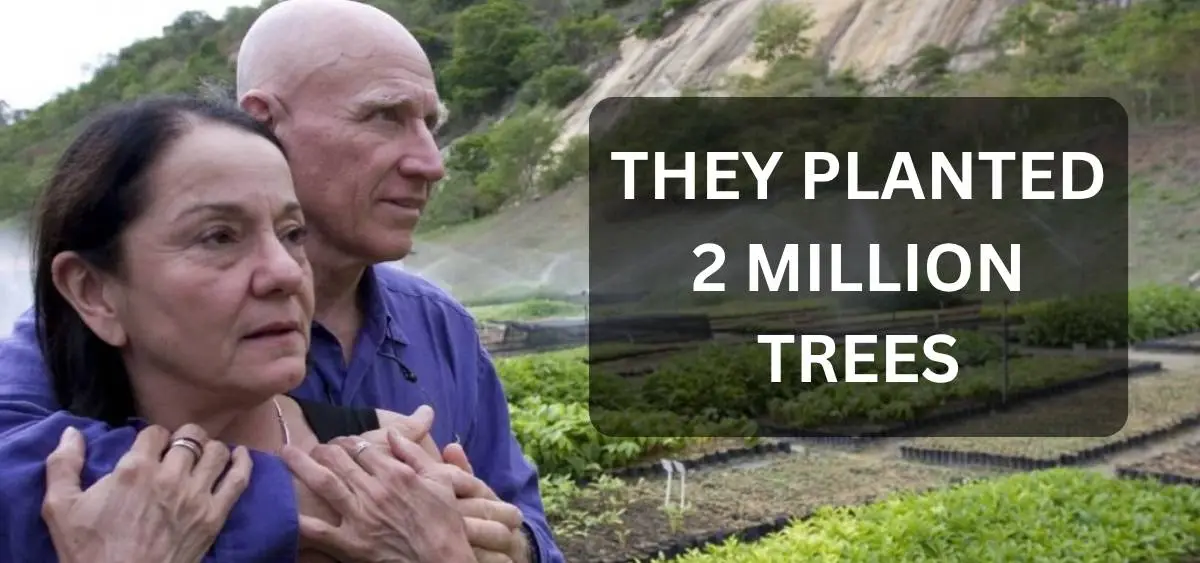

Forest Restoration converts barren lands into viable ecosystems. This was shown by Brazilizn couple in their amazing story of tree planting. In 20 years, they planted over 2 Million trees, turning a devastated landscape into a thriving wildlife sanctuary. Their work shows how hard work, diligent reforestration, and team work can revive many species and fight climate change. Let’s learn about their experience and see how their tree planting activity changed the landscape and inspired tree planting all over the world.
Also, read: Global Crisis! Impact of Climate Change Are Worse Than Expected
A Devastated Land Reborn
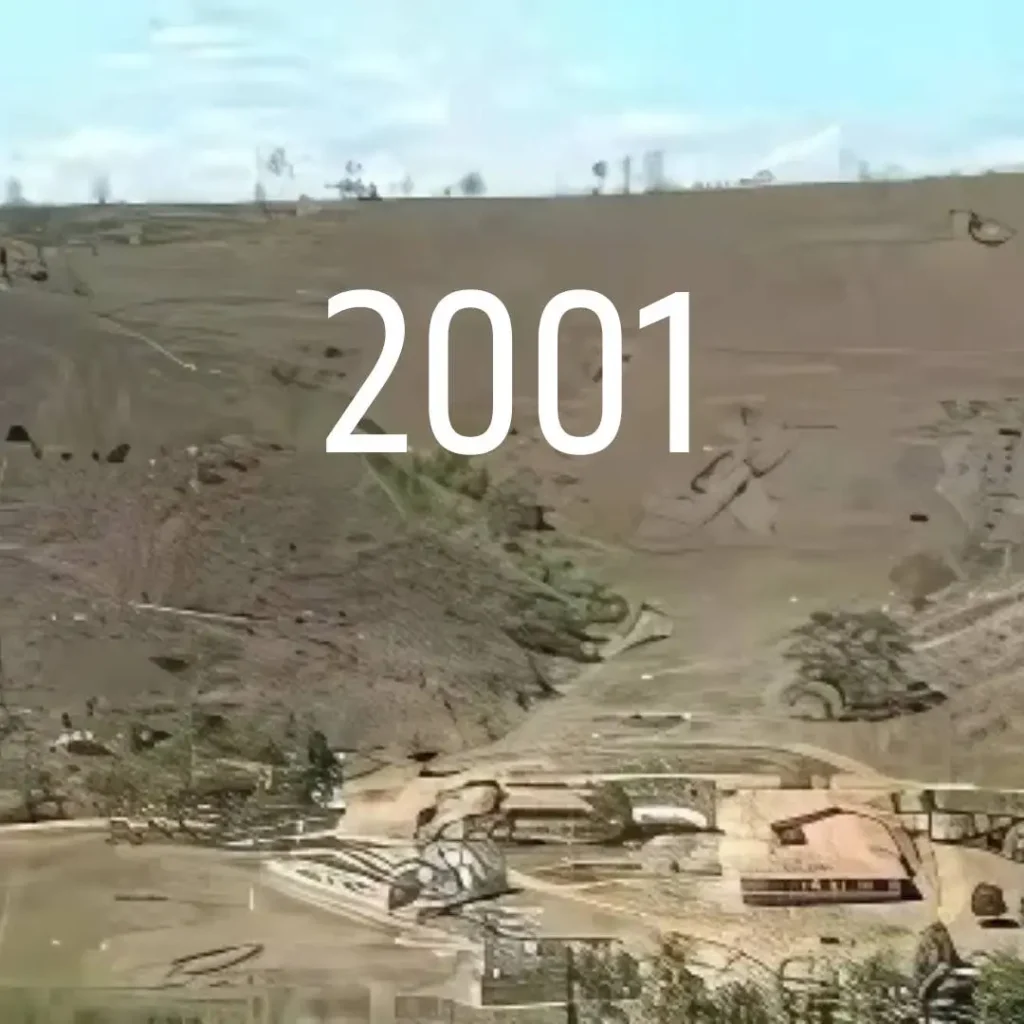
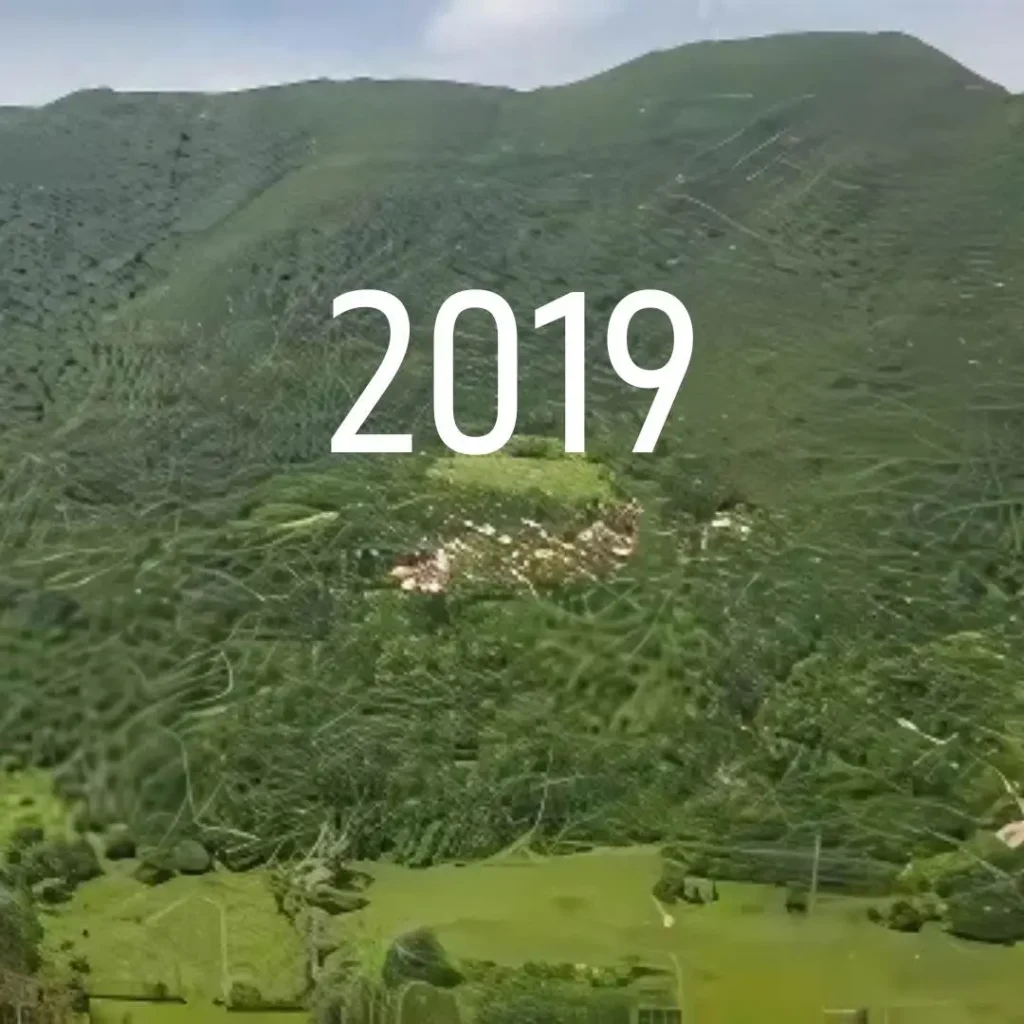
In the 1990s, a famous Brazilian photographer went back to his home town in Minas Gerais. He had hoped to see lush forests but found what was left a wasteland. Deforestation had stripped the land, leaving only 0.5% of its trees. Rivers had eveporated, and animals were gone. The sight crushed him. His wife, however, saw hope. She believed they could restore the land’s natural habitats. Together, they launched a bold ecological restoration project to bring the forest back to life.
Their vision wasn’t just about planting trees. It was about reviving an entire ecosystem. They focused on native species to ensure the forest healing process supported local wildlife. This approach to restoring natural habitats set the stage for a remarkable transformation. Over two decades, their efforts turned a silent, scarred landscape into a thriving tropical paradise.
Also, read: Turning Storm-Damaged Wood into Music and Hope – VAIA Cube
The Power of a Tree Planting Initiative
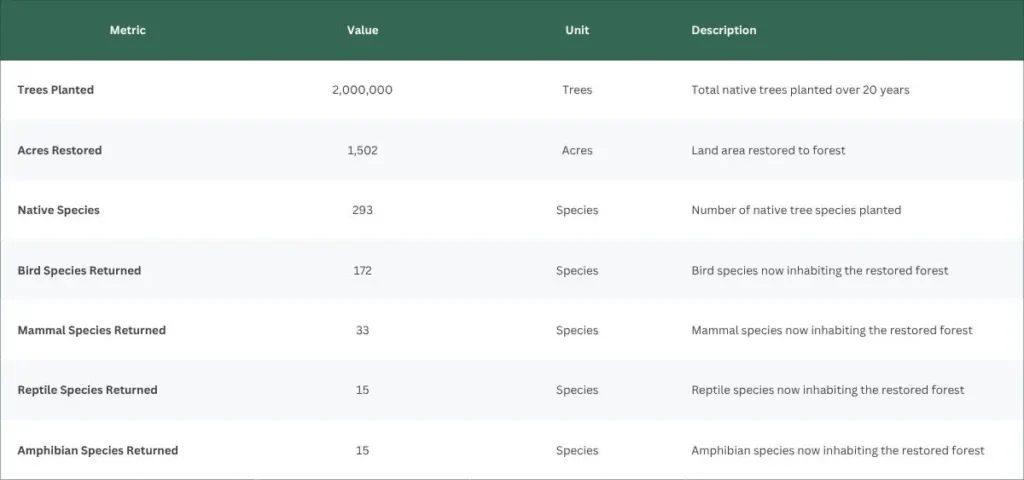
Back in 1998, a couple set out on a mission with a small crew of 24, planting their first seeds in a quiet corner of the earth. They rolled up their sleeves, pulling out invasive weeds and carefully tucking native seedlings into the soil, watering them with care. What started as a modest effort blossomed into something extraordinary. Over the years, they planted more than 2 million trees across 1,502 acres, choosing 293 native species to bring the forest back to life in a way that felt like it had always belonged there.
Trees aren’t just pretty to look at—they’re quiet heroes. They soak up CO2 (Crabon Dioxide), breathe out oxygen, and give wildlife a place to call home while fighting climate change. By picking native trees, the couple welcomed back birds, mammals, and insects, creating a thriving ecosystem. Their work shows what’s possible when you pour heart and thought into rewilding, proving that a little love for the land can spark a greener, wilder world.
Also, read: The Dead Sea Crisis Explained: Nature’s Wonder at Risk
Instituto Terra: A Beacon of Environmental Conservation
To scale their efforts, the couple founded an environmental organization. This group, focused on ecological restoration, produced native seedlings and educated communities about forest restoration. They engaged schoolchildren, teachers, farmers, and local officials in their mission. The organization built a network of volunteers and partners to fund and sustain the project. This community tree planting approach amplified their impact and inspired others to join the cause.
Their work didn’t just restore land. It rebuilt an entire ecosystem. Creeks refilled with water, and rainfall increased, creating a tropical microclimate. The forest now supports 172 bird species, 33 mammals, 15 reptiles, and 15 amphibians. This biodiversity revival shows how environmental conservation can breathe life into a once-silent landscape.
Wildlife Returns to a Restored Habitat
To grow their impact, the couple started a grassroots environmental group dedicated to bringing nature back to life. They focused on nurturing native seedlings and teaching local communities about restoring forests. From schoolkids to farmers, teachers to town officials, they got everyone involved, sharing their passion for the cause. The organization rallied volunteers and built partnerships to keep the project thriving, turning tree planting into a community effort that sparked inspiration far and wide.
Their work went beyond healing the land—it revived an entire ecosystem. Streams flowed again, rainfall picked up, and a lush, tropical microclimate took hold. The forest now teems with life: 172 kinds of birds, 33 mammals, 15 reptiles, and 15 amphibians. This vibrant comeback shows how caring for the environment can breathe new energy into a landscape that had grown quiet.
A Model for Global Reforestation Efforts
This couple’s story is more than a local triumph. It’s a blueprint for global reforestation efforts. Their project demonstrates how small, dedicated groups can drive massive change. By focusing on native species and community involvement, they created a sustainable model for ecosystem restoration. Their work inspires others to launch green planet initiatives and tackle climate change through reforestation.
Their success also highlights the importance of listening to local communities. Understanding the land’s needs ensures long-term success. As the photographer noted, nature is resilient, but it needs human support to heal. His words remind us that forest healing stories start with action and commitment.
Also, read: The Power of “Reduce, Reuse, Recycle”: Making Every Resource Count
Lessons
This reforestation success story teaches us key lessons. First, small actions matter. Planting one tree can spark a chain reaction. Second, community involvement is crucial. Engaging locals creates lasting impact. Third, native species are vital for sustainable reforestation. They support local wildlife and ensure the ecosystem thrives. Finally, dedication pays off. Two decades of hard work transformed a barren land into a vibrant forest.
This project also shows how reforestation can address climate change. Trees absorb carbon, improve air quality, and regulate climate. By restoring forests, we create climate change solutions that benefit both people and the planet.
How You Can Support Forest Restoration
You don’t have to plant 2 Million trees to be useful. Begin with one tree. Go with a tree plating event in your commmunity. Support organizations that are concerned about the planet. Share with other individuals why we need to redstore natural habitats. Even planting one indigeneous plant in your own backyard can restore biodiversity.
If you like what this couple is doing, find out how you can help. You can vounteer for local rewilding efforts or donate to groups that are doing international reforestration efforts. Every little efforts on the way to a green world.
Also, read: The Impact of War on Environment: Damage to Land, Water, and Wildlife
A Legacy of Nature Regeneration
This couple’s 20-year mission proves that forest restoration is possible. Their 2 million trees have revived a forest, brought back wildlife, and inspired millions. Their story is a powerful reminder that dedication and community effort can heal the planet. By sharing their journey, we can spark more forest healing stories and build a future where ecosystems thrive.
Let’s take their example and act. Whether through planting trees or supporting green planet initiatives, we can all play a role in ecosystem restoration. Together, we can create a world where nature regenerates and flourishes.
FAQs
1. What is forest restoration, and why is it important?
Forest restoration involves replanting trees and reviving ecosystems in degraded or deforested areas. It’s crucial for combating climate change, restoring wildlife habitats, and improving biodiversity. Healthy forests absorb carbon dioxide, regulate climate, and support countless species, making them vital for a green planet.
2. How does reforestation help combat climate change?
Reforestation absorbs carbon dioxide, a major greenhouse gas, helping mitigate climate change. Trees also produce oxygen, regulate rainfall, and cool the environment. Projects like this Brazilian reforestation success story show how tree planting initiatives offer effective climate change solutions.
3. What role do native species play in reforestation?
Native species are critical for sustainable reforestation. They adapt to local conditions, support native wildlife, and ensure ecosystem balance. Using non-native plants can harm biodiversity, making native trees essential for successful ecological restoration.
4. What challenges do reforestation projects face?
Challenges include funding, land access, invasive species, and climate conditions. Rewilding projects require ongoing maintenance to prevent tree loss. Community support and careful planning, as seen in the Brazilian forest restoration, help overcome these hurdles.
5. How can I start my own forest restoration project?
Start by researching local ecosystems and choosing native species. Partner with environmental organizations for resources and guidance. Engage your community in tree planting and secure funding through grants or donations. Small actions can spark nature regeneration and contribute to global reforestation efforts.