The Met Gala 2026, themed “Fashion Is Art,” was more than just a night of dramatic gowns and celebrity glamour. This year’s carpet reflected a deeper shift happening in the fashion industry, one where creativity, craftsmanship, and sustainability started blending together naturally. Instead of focusing only on spectacle, many designers and celebrities used fashion to tell stories through handcrafted details, archival pieces, reworked silhouettes, and innovative materials.
One of the most noticeable trends of the night was the rise of conscious fashion choices. From vintage couture and rewear-inspired styling to garments made with deadstock fabrics and ethical materials, sustainability quietly became one of the strongest themes on the carpet. It wasn’t always announced loudly, but it was present in the construction, sourcing, and storytelling behind many of the looks.
The Met Gala 2026 showed that sustainable fashion no longer has to look simple or “eco-themed” to make an impact. Luxury fashion is entering a new era where artistry and responsibility can exist together, and some of the biggest names in entertainment helped bring that message into the spotlight.
Why Sustainability Became the Real Trend at Met Gala 2026?
For years, the Met Gala has been known for dramatic outfits, extravagant themes, and unforgettable celebrity moments. But in 2026, something felt different. Beyond the sparkling gowns and artistic silhouettes, the conversation slowly shifted toward a bigger question: What is fashion really costing the planet?
The fashion industry is under more pressure than ever to become sustainable. From textile waste to overproduction and fast fashion pollution, consumers are becoming increasingly aware of the environmental impact behind glamorous clothing. As a result, sustainability is no longer just a niche topic discussed by activists, it has become part of mainstream fashion culture.
This shift was clearly visible at the Met Gala 2026. Celebrities were not only praised for looking beautiful; they were also being noticed for the choices behind their outfits. People wanted to know whether a dress was vintage, made from recycled fabrics, ethically sourced, or designed by brands known for responsible practices. Fashion fans online were discussing both style and sustainability at the same time, proving that ethical celebrity fashion now matters just as much as aesthetics.
Another major trend that stood out was the rise of what many call “quiet sustainability.” Instead of heavily promoting eco-friendly claims, several designers simply focused on thoughtful craftsmanship, timeless design, and better materials. Sustainability became less about marketing buzzwords and more about intentional fashion choices. Some celebrities chose archival pieces, while others wore garments created with deadstock fabrics, plant-based materials, or innovative textile techniques.
Luxury fashion is also evolving in a new direction. Rather than encouraging endless consumption, many high-end brands are now embracing circular fashion, a movement focused on rewearing, repurposing, recycling, and creating garments designed to last longer. Material innovation also played a huge role at the Met Gala 2026, with designers experimenting with alternative fabrics and modern couture techniques that reduce waste without compromising creativity.
In many ways, the Met Gala reflected the future of fashion itself. The biggest takeaway from the night wasn’t just about trends or celebrity looks, it was the growing belief that fashion can still be artistic, luxurious, and innovative while becoming more responsible at the same time.
Celebrities Who Promoted Sustainable Fashion at the Met Gala 2026
1. Greta Gerwig
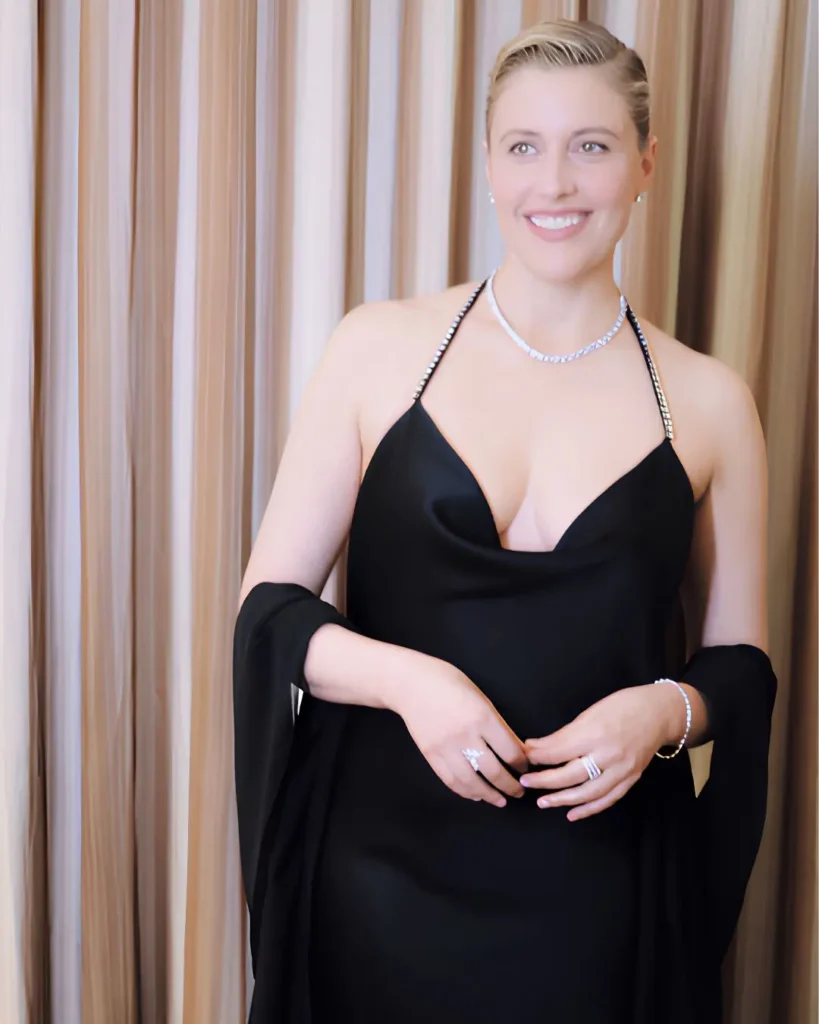
One of the most talked-about sustainable fashion moments of the night came from Greta Gerwig, who wore a beautifully crafted look by Stella McCartney. Instead of making sustainability feel like a marketing statement, the outfit blended conscious fashion with effortless luxury.
Stella McCartney has long been known for avoiding leather and fur while investing in recycled fabrics and ethical sourcing practices. Greta’s appearance reflected how sustainable fashion is slowly becoming a natural part of high-end couture rather than a separate category.
The best part? The gown didn’t try too hard to announce itself as “eco-friendly.” It simply looked elegant, artistic, and timeless, proving that sustainability can exist quietly within luxury fashion.
2. Simone Ashley
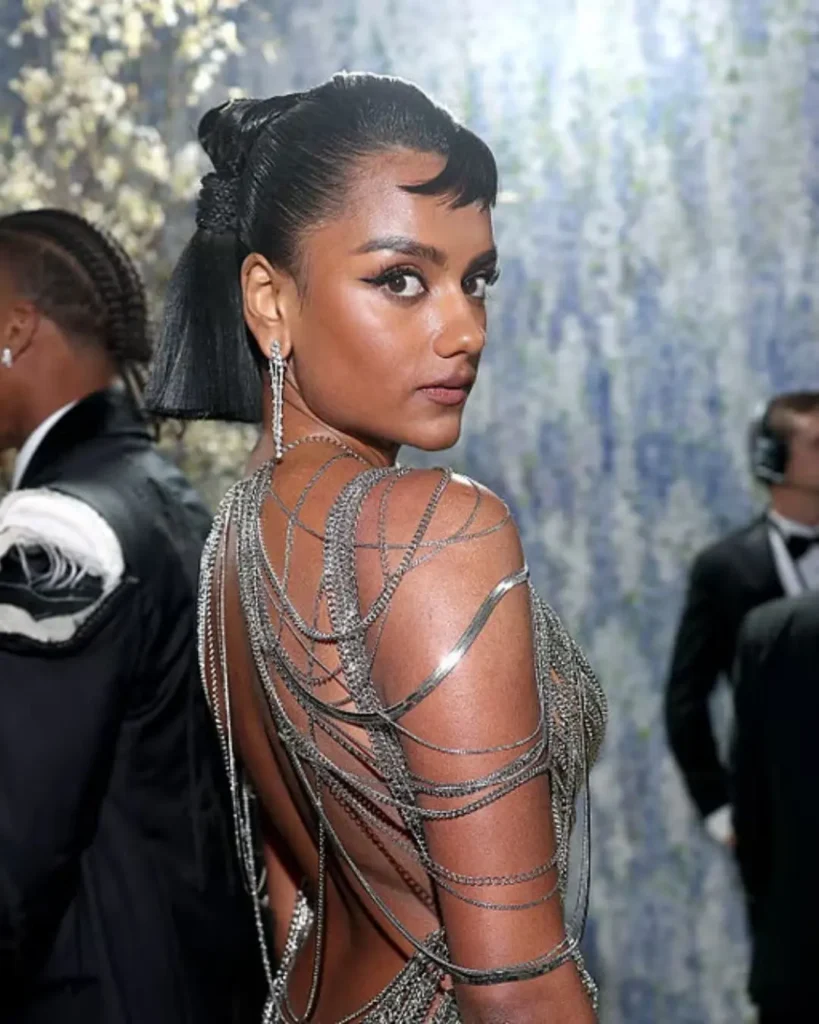
Simone Ashley brought dramatic glamour to the carpet in a striking Stella McCartney creation featuring liquid chain detailing and sculptural construction. The look sparked conversations around whether bold couture can also be environmentally conscious.
What made the outfit interesting was the craftsmanship behind it. Instead of relying on excessive embellishment or waste-heavy design methods, the garment focused on innovative structure and careful material use. It showed that sustainability doesn’t have to mean minimal or plain, it can still feel bold, cinematic, and red-carpet worthy.
Her appearance highlighted a growing shift in fashion where creativity and responsibility are starting to work together rather than against each other.
3. Paloma Elsesser Supporting Upcycled Fashion
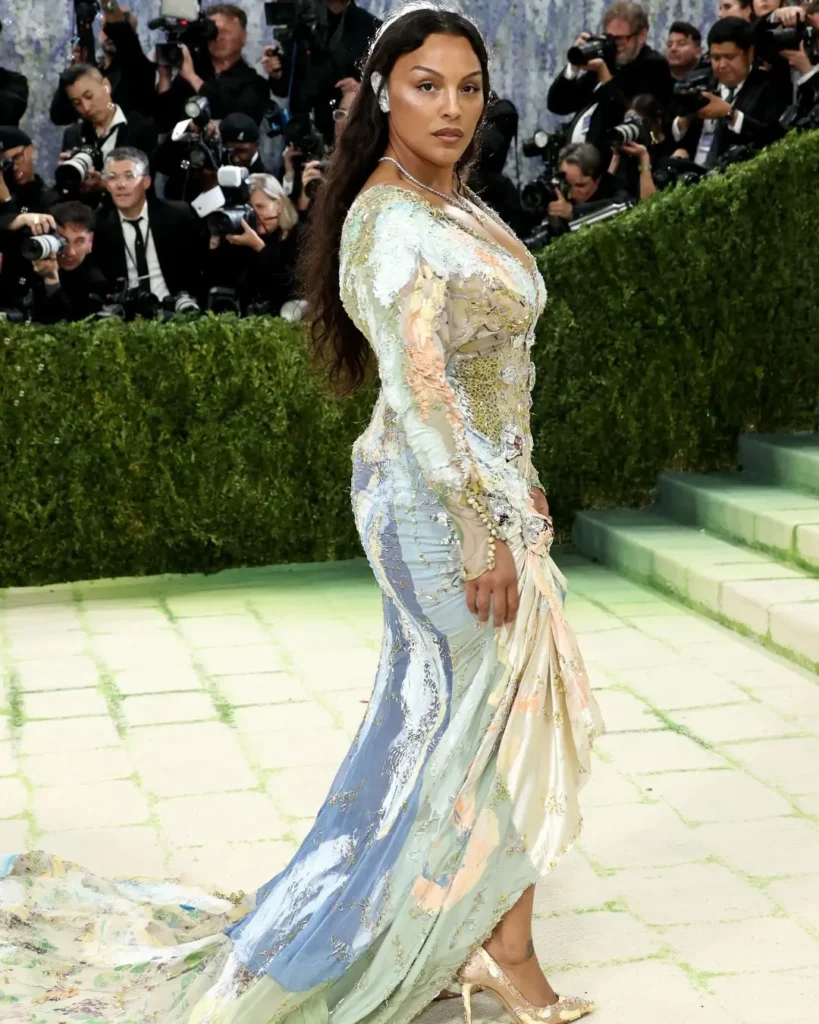
Model Paloma Elsesser embraced artistic sustainability in a layered Marni look designed by Francesco Risso. The outfit incorporated reclaimed textiles and upcycled elements, turning reused materials into something visually powerful and editorial.
What stood out was how fashion-forward the look felt. Sustainable clothing is often stereotyped as simple or toned down, but Paloma’s appearance challenged that idea completely. The textures, construction, and styling felt experimental and high-fashion while still carrying a deeper message about waste reduction and circular fashion.
Her look proved that sustainability can be expressive, artistic, and runway-level glamorous at the same time.
4. Katy Perry
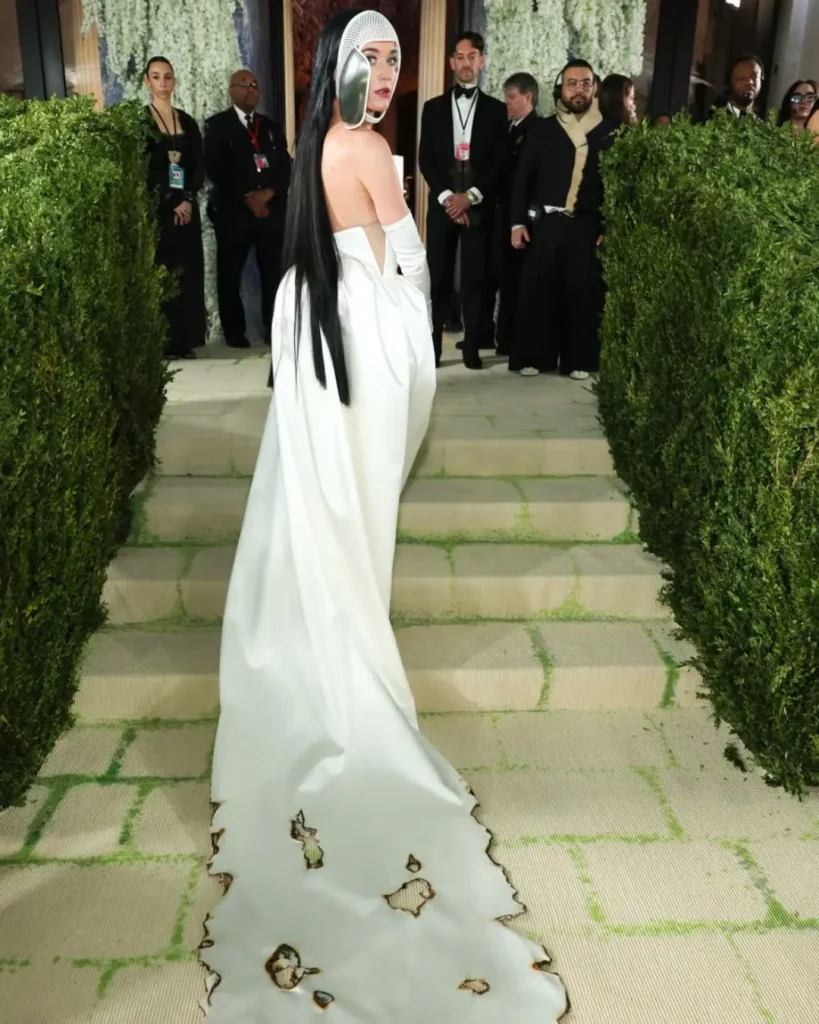
Katy Perry also embraced conscious couture in a sculptural Stella McCartney ensemble that combined theatrical fashion with sustainability-focused craftsmanship. The gown blurred the line between wearable art and responsible design, fitting perfectly within the Met Gala’s “Fashion Is Art” theme.
Rather than treating sustainability as a limitation, the outfit used it as part of the creative story. The dramatic silhouette, thoughtful detailing, and innovative materials reflected how eco-conscious fashion is evolving into something more imaginative and luxurious.
Her appearance showed that sustainability in fashion is no longer just about basic fabrics or recycled basics, it is becoming part of couture storytelling itself.
5. Aurora James
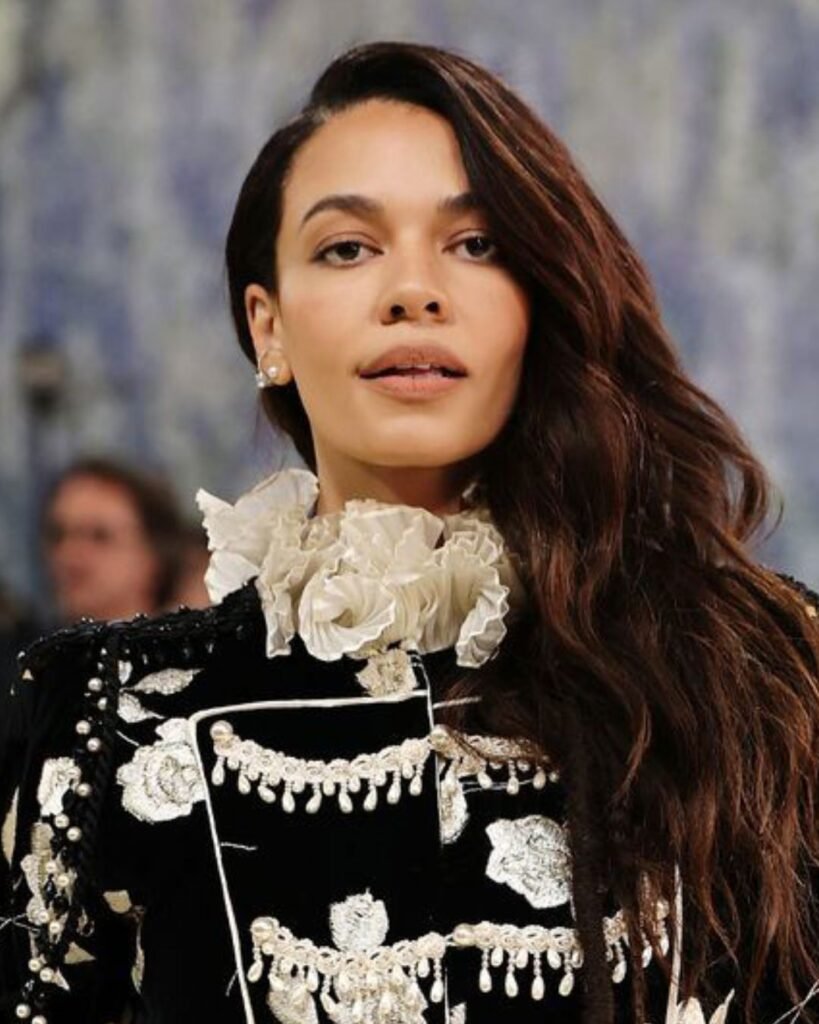
Designer and activist Aurora James took a different approach by wearing a vintage archival piece from Emanuel Ungaro. In a night filled with custom couture, choosing vintage made a strong statement about fashion reuse and longevity.
Archival fashion has become increasingly important in sustainability conversations because it reduces the demand for constant new production. Instead of creating another one-time red carpet look, Aurora highlighted the value of preserving and rewearing iconic designs from the past.
Her appearance also reflected a larger trend in luxury fashion: vintage is no longer seen as “old.” It has become a symbol of exclusivity, craftsmanship, and conscious consumption.
How Stella McCartney Dominated the Sustainability Conversation
At the Met Gala 2026, one name kept appearing throughout the night’s most talked-about looks, Stella McCartney. While many designers focused purely on spectacle, Stella McCartney proved that sustainability and high fashion can exist together without compromising creativity.
Several celebrities chose Stella McCartney for the evening, turning her designs into some of the strongest examples of conscious luxury on the red carpet. What made these looks stand out wasn’t just the glamour, it was the thoughtful craftsmanship behind them.
Many of the outfits featured deadstock fabrics, which are leftover materials from previous productions that would otherwise go to waste. Instead of creating entirely new textiles, these fabrics were transformed into couture-level designs, showing how fashion can become more circular and less wasteful.
The brand also continued experimenting with plant-based alternatives and innovative materials that reduce dependence on animal-derived products. One of the most talked-about innovations was FEVVERS, a feather alternative designed to recreate the drama and texture of traditional feathers without the environmental and ethical concerns attached to them. The result still felt luxurious and theatrical, proving sustainable materials no longer need to look “alternative” or unfinished.
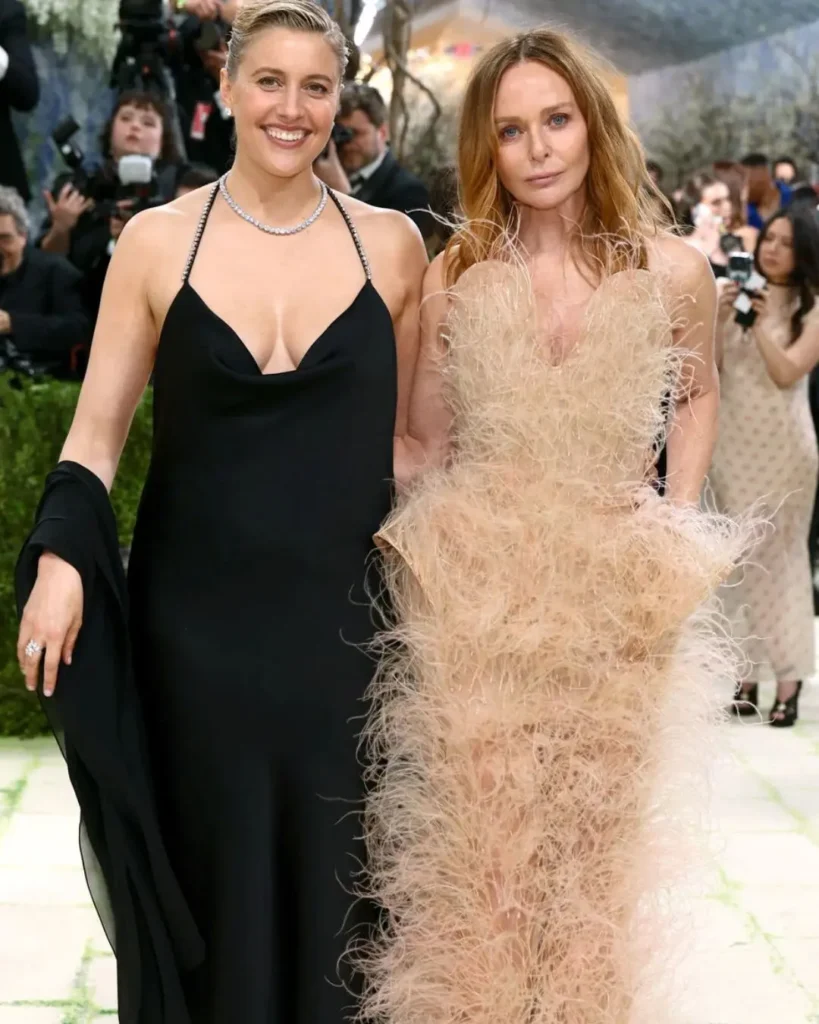
Another noticeable detail across the looks was the use of repurposed embellishments. Instead of relying entirely on newly produced decorations, older materials and trims were reimagined into fresh couture pieces. This approach reflected a larger shift happening in luxury fashion, valuing craftsmanship, reuse, and storytelling over excess.
What makes Stella McCartney a leader in ethical luxury fashion is that sustainability has never felt like a marketing trend for the brand. It has always been part of the design philosophy. From avoiding leather and fur to investing in material innovation, the label consistently treats sustainability as a creative challenge rather than a limitation.
At the Met Gala 2026, that philosophy became even more visible. The designs showed that sustainability can be artistic, emotional, and visually powerful. Instead of separating eco-conscious fashion from couture, Stella McCartney blended the two together so naturally that the sustainability itself became part of the art.
The Biggest Sustainable Fashion Lessons From Met Gala 2026
1. Sustainability Doesn’t Need to Look “Eco”
Met Gala 2026 proved that sustainable fashion can still feel luxurious and glamorous. Designers moved beyond the usual earthy “eco-fashion” aesthetic and showed that couture, creativity, and sustainability can exist together.
2. Vintage Fashion Is the Future
Many celebrities embraced vintage and archival outfits, highlighting the growing popularity of rewear culture. It showed how fashion is slowly shifting toward a more circular and conscious industry.
3. Material Innovation Is Becoming Mainstream
From plant-based feathers to deadstock fabrics and bio-based textiles, designers showcased innovative materials that reduce waste without compromising style or creativity.
4. Consumers Now Care About Fashion Ethics
Audiences are paying closer attention to the environmental impact behind celebrity fashion. Conversations around waste, overconsumption, and fast fashion hypocrisy became just as important as the outfits themselves.
The Debate Around Sustainability and Celebrity Fashion
While sustainability was one of the biggest conversations at the Met Gala 2026, the event also sparked an important debate online. Many people appreciated celebrities and designers for promoting ethical fashion, but others questioned whether an ultra-luxury event can ever truly be sustainable.
Critics pointed out the environmental impact that comes with large-scale fashion productions, from custom outfits and global travel to the waste generated behind the scenes. Activists and fashion commentators on social media also raised concerns about whether some brands use sustainability as a marketing trend rather than making long-term changes within the industry.
At the same time, supporters argued that events like the Met Gala have the power to influence mainstream culture. When celebrities wear archival pieces, recycled fabrics, or eco-conscious couture on one of fashion’s biggest stages, it helps introduce sustainable fashion to a much larger audience.
The reality probably lies somewhere in the middle. The Met Gala alone cannot solve fashion’s sustainability problem, but it can shape conversations, inspire consumer awareness, and push luxury fashion toward more responsible practices.
What Brands Can Learn From Met Gala 2026
One of the biggest takeaways from Met Gala 2026 is that today’s consumers want more than just beautiful products, they want meaning behind them.
Sustainability is no longer something brands can simply mention in a campaign. Audiences are becoming smarter and more aware of “greenwashing,” where companies market themselves as sustainable without making real efforts behind the scenes. Instead, people are connecting with brands that show authenticity, transparency, and genuine craftsmanship.
The most talked-about looks at the Met Gala were not only visually stunning, but also carried a story. Whether it was a vintage archive piece, a gown created from deadstock fabric, or innovative plant-based materials, the storytelling behind the outfit became just as important as the design itself.
This shift offers valuable lessons for fashion brands, beauty companies, and sustainable startups alike:
- Craftsmanship creates emotional value
- Transparency builds trust
- Material innovation attracts modern consumers
- Storytelling helps brands stand out in a crowded market
Consumers now want to know how something was made, who made it, and what impact it has on the planet. Brands that can communicate this honestly are more likely to build long-term loyalty.
Conclusion
Met Gala 2026 made one thing clear, sustainable fashion is no longer a niche conversation. It is becoming part of mainstream luxury culture. This year’s event showed that fashion can combine creativity, artistry, innovation, and responsibility all at once. From archival couture and recycled textiles to plant-based materials and conscious craftsmanship, sustainability is slowly becoming part of the future of high fashion rather than an afterthought.
As the fashion industry evolves, future trends will likely focus not just on aesthetics, but also on the stories, values, and innovation behind what people wear. The biggest lesson from the Met Gala wasn’t simply about celebrity outfits, it was about how fashion itself is changing. Do you think celebrity fashion can truly become sustainable, or is it still mostly performance?
FAQs
1. What was the theme of the Met Gala 2026?
The Met Gala 2026 theme was “Fashion Is Art,” celebrating creativity, craftsmanship, and artistic expression in fashion. The theme also encouraged designers to experiment with storytelling and sustainable innovation.
2. What are deadstock fabrics in fashion?
Deadstock fabrics are leftover or unused materials from previous fashion productions that are repurposed instead of being discarded. Many designers now use them to reduce waste and support circular fashion.
3. Why is vintage fashion considered sustainable?
Vintage fashion extends the life cycle of clothing and reduces the demand for new production. Rewearing archival or second-hand pieces helps minimize waste, water usage, and textile pollution.
4. What is greenwashing in the fashion industry?
Greenwashing happens when brands market themselves as environmentally friendly without making meaningful sustainable changes. Consumers are becoming more aware of misleading sustainability claims and expect greater transparency from brands.
5. Can celebrity fashion events really promote sustainability?
Large fashion events cannot completely solve sustainability issues, but they can influence public conversations and consumer behavior. When celebrities wear eco-conscious designs on global platforms, it increases awareness and encourages brands to innovate responsibly.
Also, read:
Sustainable Fashion Hacks: Stylish Choices That Help the Earth
Why This Clothing Recycling project Is Gaining Global Attention
Apple Leather: From Apple Waste to High-End Fashion!
Top 7 Sustainable Fashion Influencers on Instagram in 2026
Slow Fashion Guide: Build your own Sustainable Wardrobe Step-by-Step