Sharks are powerful and mysterious creatures, and that’s why many of us find them interesting. However, due to old stories and scary movies, many people still think of sharks as a dangerous monsters.
This special day shows us the real truth about sharks. It is celebrated every year on July 14. In 2026, it will be on a Tuesday, giving everyone a good chance to learn something new about these amazing animals. This year is especially important because shark populations are still decreasing. They need our attention and action more than ever.
Many people think sharks are cruel killers, but that’s not true. They play a very important role in keeping the ocean healthy. It’s time to understand them better and support efforts to save sharks.
What is Shark Awareness Day?
Shark Awareness Day is all about educating people. It teaches us why sharks are important and why we should protect them. The goal is to remove fear and replace it with knowledge and respect.
This day started through small community efforts over the past twenty years. Environmental groups worked hard to spread awareness and protect marine life. Today, it has become a global event.
People around the world celebrate it in many ways. Some join beach cleanups. Others watch documentaries about ocean life. Many people share shark facts and awareness posts on social media. Shark Awareness Day brings everyone together with one simple message: understand sharks, respect them, and protect them.
Why Sharks Are Important for the Ocean?
Sharks play a very important role in the ocean. They are top predators, which means they are at the top of the food chain. They help control the number of other sea animals. This keeps the ocean balanced and healthy.
For example, sharks often hunt weak or sick fish. This helps stop diseases from spreading and keeps fish populations strong. In this way, sharks actually make marine life healthier.
If sharks disappear, the ocean can become unbalanced. Some animals would grow too many in number. These animals could then destroy important places like coral reefs and seagrass beds. These habitats are very important because they support marine life and even help store carbon.
Here’s a simple example of the food chain: Sharks eat seals. Seals eat fish. Fish eat algae.
If sharks are gone, seals increase. Then fish decrease. When fish decrease, algae grows too much. This harms the entire ecosystem. That’s why sharks are so important. They help keep everything in the ocean working in harmony.
Common Myths About Sharks (And the Truth)
There are many myths about sharks, and most of them create unnecessary fear.
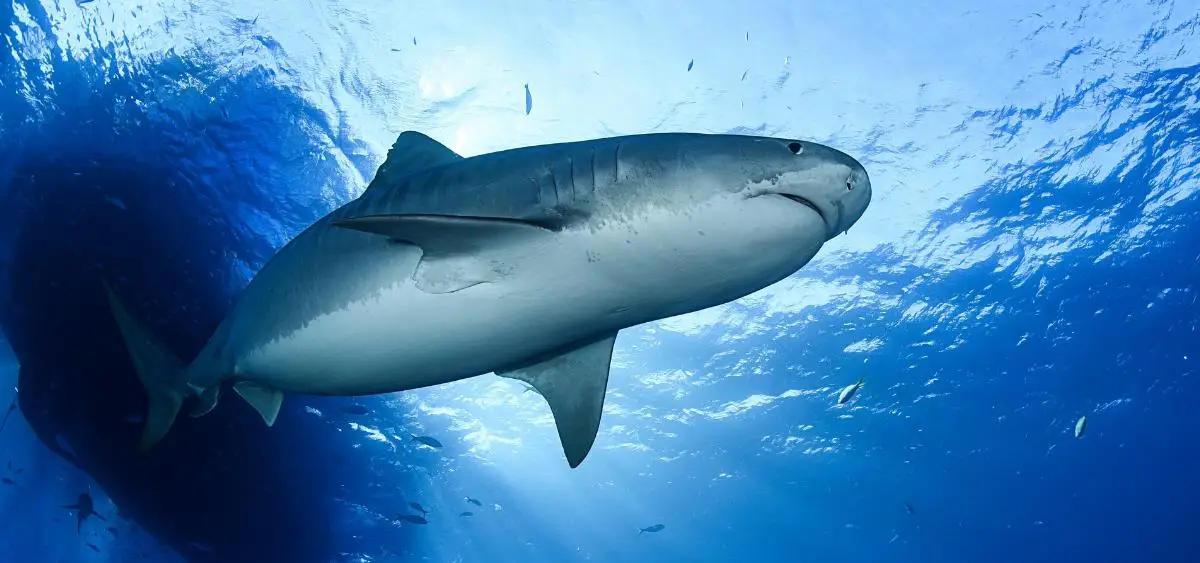
One common myth is that all sharks are dangerous to humans. But this is not true. There are more than 500 species of sharks, and only a few, like great white or tiger sharks, can be risky and even then, attacks are very rare.
Another myth is that sharks attack humans often. In reality, shark bites are uncommon. On average, there are around 70 unprovoked bites per year worldwide, and very few are fatal. You are much more likely to be injured in a car accident or by lightning than by a shark.
Some people also believe sharks are mindless killers. But sharks are actually smart animals. They hunt to survive, not because they are cruel. They even have special senses, like the ability to detect electrical signals from other animals. This shows how well adapted and intelligent they are. When we understand shark myths and facts, we begin to see that sharks are not villains, they are vital for our oceans.
Interesting Shark Facts
Did you know there are more than 500 types of sharks in the ocean? Some are very small, like the dwarf lantern shark, which is only about 8 inches long. Others are huge, like the whale shark, which can grow up to 40 feet long. The whale shark is actually the largest fish in the world.
Sharks have amazing senses. They can feel tiny electrical signals in the water, like the heartbeat or movement of other animals. This helps them find food easily.
Some sharks live for a very long time. For example, Greenland sharks can live for more than 250 years! Different sharks also behave in different ways. Hammerhead sharks have almost 360-degree vision, which helps them see better. Some sharks can even glow in the dark. All these facts show that sharks are smart, unique, and very important for keeping the ocean healthy.
Threats Sharks Are Facing Today
Sadly, sharks are in danger today. Around 100 million sharks are killed every year because of overfishing. Many are hunted for their fins and meat.
The shark fin trade is one of the biggest problems. In this cruel practice, sharks’ fins are cut off, and their bodies are thrown back into the ocean. This is called finning.
Sharks also suffer because of ocean pollution and climate change. Warmer water changes their migration patterns and affects their homes.
Since 1970, shark populations around the world have dropped by about 71%. Sharks grow slowly and have fewer babies, so it is hard for them to recover quickly. Today, about one-third of shark species are at risk of extinction. If we want healthy oceans, we must protect sharks and stop these harmful practices.
How We Can Protect Sharks?
We all can do something to help protect sharks. Start by choosing sustainable seafood so we don’t support overfishing. Avoid buying products made from sharks, like shark fin soup or shark leather items.
You can also spread awareness on social media. Share simple shark facts, clear common myths, or take part in awareness campaigns. Supporting shark conservation groups through donations or volunteering also makes a big difference. These organizations work hard to create laws, bans, and safe ocean areas for sharks.
In 2026, new efforts like global maps of important shark habitats and international conferences are helping scientists protect them better. Protecting sharks doesn’t require big actions, small steps from many people can create big change.
Why Shark Awareness Day Matters in 2026?
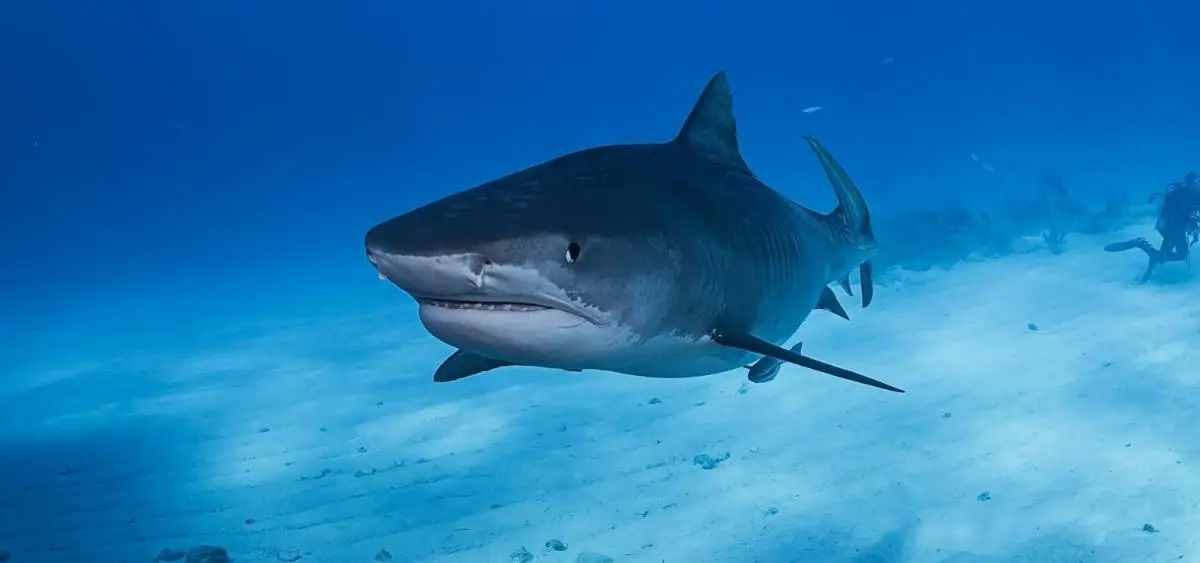
Shark Awareness Day is even more important in 2026 because shark populations are still declining. In some parts of the world, the number of large sharks has dropped by up to 90% over the past 50 years.
The good news is that more than 70 shark species are now getting new protections, and citizen science programs are encouraging people to help collect data and spread awareness. Young people are playing a big role by using technology and social media to share facts and inspire others. This day reminds us that protecting sharks means protecting our oceans and our future.
How You Can Celebrate Shark Awareness Day
Shark Awareness Day is on July 14, and it’s a great time to learn and take action. You can share interesting shark facts on social media using hashtags like #ProtectSharks or #SaveOurOceans. Watch a documentary to understand their real life in the ocean. Visit an aquarium to see sharks closely and learn from experts. You can even teach children about sharks through fun stories or games. Small actions like these help spread awareness and make the day special.
Conclusion
Sharks deserve our respect and care. They play a big role in keeping our oceans healthy, but they are in danger because of human activities. It’s time for us to make a change. Protect sharks, protect our ocean. Start today — share a fact, support a cause, or simply learn something new. Every small step can help save sharks for future generations.
Also, read:
Urban Heat Island: The Real Reason Cities Are Boiling
The Glitter That Costs Childhoods: Dark Truth of Mica Mining
How Lohum Is Making Millions from Waste Batteries!
Sustainable Supply Chain: What Every Business Must Know in 2025!
Why This Clothing Recycling project Is Gaining Global Attention