Have you ever heard of an animal that actually drinks blood to survive? Sounds like something straight out of a horror movie, right? But vampire bats are very real and they’re far more fascinating than scary. In fact, they are the only mammals in the world that live entirely on blood, and scientists have been studying them for years to understand how they manage this unusual lifestyle. Forget the spooky legends for a moment. When you look closely, vampire bats turn out to be smart, social, and incredibly well-adapted to life in the wild.
What Makes Vampire Bats So Special?
Vampire bats belong to a small bat family called Desmodontinae, and there are only three species:
- the common vampire bat
- the white-winged vampire bat
- the hairy-legged vampire bat
Most bats eat insects, fruits, or nectar. Vampire bats are completely different. They are obligate blood feeders, which means blood is the only food they eat, nothing else. Over millions of years, their bodies evolved to handle this strange diet, making them a unique wonder of nature. They don’t suck blood like in movies. Instead, they take tiny, careful sips using a clever and painless method that rarely wakes their prey.
Where Do Vampire Bats Live?
Vampire bats prefer warm climates, so you’ll mostly find them in Mexico, Central America, and South America, stretching down to northern Argentina and parts of Chile. They live in places where food is easy to find, such as:
- tropical forests and rainforests
- grasslands and scrublands
- areas close to farms and livestock
During the day, they hide in dark, quiet spots like caves, hollow trees, abandoned buildings, old mines, or even unused wells. Some colonies are small, with just a few dozen bats, while others can grow into groups of thousands. These roosts often have a strong smell because of digested blood.
Climate change and human activity are also affecting where vampire bats live. As forests are cleared and temperatures rise, they are slowly moving into new areas. In some regions, researchers have noticed them expanding their range by several kilometers each year.
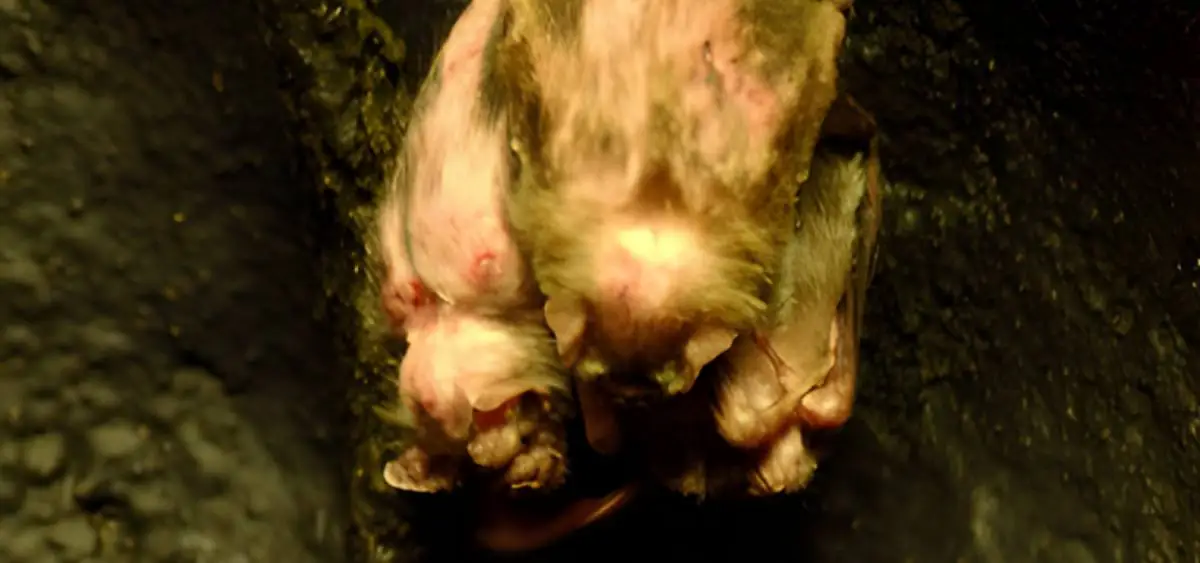
A Diet Made of Blood And Only Blood
The vampire bat diet is as extreme as it sounds. They feed on the blood of mammals like cows, horses, pigs, and sometimes birds or wild animals. Humans are not their preferred target, and bites on people are very rare.
Because blood doesn’t contain much fat, vampire bats must feed almost every night. If one misses meals for two nights in a row, it may not survive. This makes feeding a serious matter of life and death.
In farming regions, vampire bats can cause problems because they sometimes spread rabies to livestock. Every year, thousands of cattle deaths are linked to rabies transmitted by vampire bats, which creates major losses for farmers.
How Vampire Bats Feed So Quietly?
Vampire bats hunt at night. They fly silently and use sharp senses to find the best feeding spot. Their noses can sense heat, helping them locate blood vessels close to the skin. They also listen closely to breathing and movement and may return to the same animal again and again.
Once they land, they often walk or hop toward their target, something most bats are terrible at, but vampire bats are surprisingly good at. They use strong legs and a sturdy thumb to move quickly on the ground.
Then comes the bite. With razor-sharp teeth, they make a tiny cut, about the size of a pinhead. The bat doesn’t suck blood. Instead, it laps it up as it flows naturally. Their saliva contains a special chemical called draculin, which stops blood from clotting. This allows blood to flow smoothly for up to half an hour, often without the animal even noticing. To stay light enough to fly away, vampire bats sometimes urinate while feeding. A full meal can nearly double their body weight!
Smart, Agile, and Surprisingly Social
Vampire bats are excellent nighttime navigators. They use echolocation, vision, smell, and touch to move through darkness with ease. On the ground, they can jump in any direction to escape danger. But what really sets them apart is their social behavior.
They live in close-knit colonies, especially among females and their young. They groom each other, sleep close together, and communicate using sounds that researchers are still studying. The most amazing behavior? They share food.
Food Sharing That Saves Lives
If a vampire bat fails to find food on a given night, it faces a real risk of starving. To survive, bats often regurgitate blood and share it with hungry colony members, even ones that aren’t family.
This sharing is not random. It’s based on trust built over time through grooming, spending time together, and repeated cooperation. These friendships can last for years.
Female bats also help each other raise pups. Pregnancy lasts about seven months, and usually only one baby is born. The pup starts on milk, then switches to shared blood before learning to hunt on its own at around four months. Thanks to these strong social bonds, vampire bats can live up to 12 years or more in the wild.
Clearing Up Common Vampire Bat Myths
Many people fear vampire bats because of myths and movies, but most of those ideas are simply wrong.
- They do not suck blood from necks
- They do not attack people regularly
- They do not turn humans into vampires
- Their bites are usually painless and often unnoticed
Films make them look aggressive and dangerous, but real vampire bats are cautious animals that prefer livestock and avoid humans whenever possible.
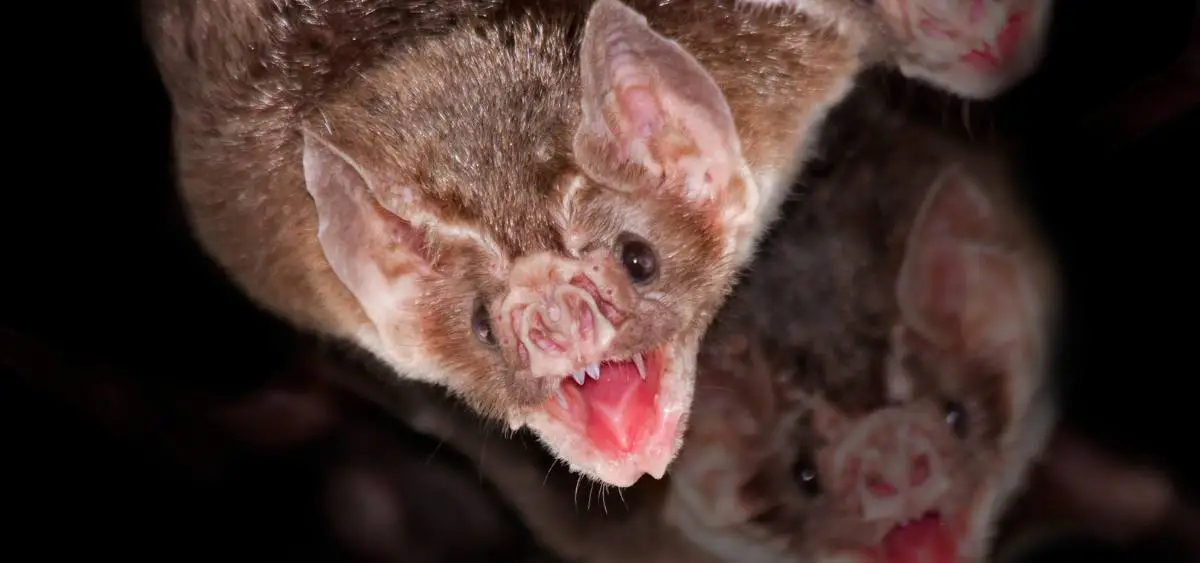
Are Vampire Bats Dangerous?
For most people, the risk is very low. Vampire bat bites on humans are rare. However, they can carry rabies, which is why handling wild bats is never safe. Rabies is a serious issue for livestock and rural communities. Scientists are working on creative solutions, like oral vaccines that spread through bat grooming behavior, to reduce outbreaks without harming bat populations. Protecting animals, improving vaccination, and managing habitats are more effective than killing bats, which can actually make the problem worse.
Why Scientists Find Vampire Bats So Valuable
Vampire bats are helping science in surprising ways. Their saliva is being studied to develop better blood-thinning medicines for humans. Their social behavior teaches us about cooperation and trust in mammals. Researchers also study how diseases spread within bat populations to improve public health planning. Every part of a vampire bat, from its teeth and tongue to its brain and social habits—offers clues about how evolution creates such specialized animals.
A Creature Worth Understanding
Vampire bats may sound scary at first, but they are truly one of nature’s most remarkable creatures. They show how teamwork, intelligence, and adaptation can turn an unusual diet into a successful way of life.
So the next time you hear the words blood-drinking mammal, remember this: vampire bats aren’t monsters. They’re misunderstood survivors, playing their role in the ecosystem—quietly, cleverly, and mostly out of sight. What surprised you most about these nighttime flyers?
Also, read: Environment Friendly Shopping Hacks That Even Lazy People Can Do!
Also, read: 8 Eco-Friendly Habits to Reduce Your Carbon Footprint!
Also, read: 20 Years, 2 Million Trees : A Forest Restoration success story!
Also, read: Ecobricks: One Bottle, One Step Toward Ending Plastic Pollution
Also, read: Why Everyone’s Talking About This Eco-Friendly Shoe Brand?
Also, read: These 5 Delicious Sustainable Breakfasts Will Make Your Mouth Water!