Hey! Think about turning dirty, polluted water into clean water that we can actually use again. That’s what wastewater treatment does. As water shortages become a serious global problem, understanding this process is more important than ever. As we move into 2026, with more people and industries growing every day, wastewater treatment isn’t just a technical process, it’s a real lifesaver for our planet. So let’s break it down in a simplest way possible, step-by-step, from the basic to the latest technologies shaping the future of clean water.
What is Waste Water Treatment? Why it matters?
Wastewayer treatment is basically how we clean used water so it’s safe to go back into nature or be reused again. Think of it as giving water a second chance instead of wasting it. But why is this important? If wastewater is not treated, it can harm rivers, lakes, and oceans. It can also spread diseases and put extra pressure on our clean water supply.
In fact, the United Nations states that over 80% of global wastewater remains untreated, leading to severe pollution and impacting billions of people. Proper wastewater treatment helps protect public health, supports sustainable development, and can even reduce water treatment costs in the long run. Whether it comes from homes, factories or farms, wastewater treatment isn’t just a technical issue, it’s something that affects all of us.
Sources of Wastewater
Wastewater doesn’t just appear on its own, it comes from things we do every day. The first source is homes, where water from sinks, toilets, and showers becomes sewage full of soap, food waste, and chemicals. This is where domestic wastewater treatment begins.
The second source is industries. Factories produce tougher wastewater that often contains chemicals, oils, and heavy metals. That’s why industrial wastewater treatment needs stronger and more advanced methods. The third source is agriculture. Rainwater washes fertilizers, pesticides, and animal waste from farms into rivers and lakes. This can cause water pollution and make the water unhealthy.
In 2026, cities in countries like India and the US are seeing more wastewater because of fast growth. Industries alone produce around 20% of global wastewater, and they must treat it carefully to follow strict rules. Understanding where wastewater comes from helps us build the right treatment systems, whether for homes or for heavy industrial waste.
Main Stages of Wastewater Treatment: A Step-by-Step Guide
Wastewater treatment follows a clear order, kind of like following a recipe. Each step helps clean the water properly and efficiently. Let’s go through the main stages.
1. Preliminary Treatment
This is the first step where big items are removed. When wastewater reaches the treatment plant, it passes through screens that catch large debris like sticks, plastic, and sand. After that, pumps move the water forward. This step protects the equipment and makes the next stages easier.
2. Primary Treatment
Here, gravity does the work. Water enters large tanks where heavier solids sink to the bottom and form sludge. Lighter substances like oil and grease float to the top and are skimmed off. This stage removes up to 60% of solid particles and makes the water less cloudy.
3. Secondary Treatment
This is the biological stage. Tiny microorganisms (like bacteria) eat the organic waste in the water. This happens in aerated tanks or filters. The microbes break down the pollutants into harmless substances like water and carbon dioxide. This step removes about 85–90% of the remaining organic waste and makes the water much clearer.
4. Tertiary Treatment
This is the final cleaning step. Advanced methods like filtration, chemical treatment, or UV disinfection remove remaining nutrients, germs, and tiny pollutants. This stage ensures the water is safe and clean. Nowadays, it also often includes recycling treated water for reuse, supporting sustainable living.
These stages are the main structure of any wastewater treatment plant. The process may change slightly depending on whether it’s treating household wastewater or industrial wastewater.
Common Treatment Methods: Proven Techniques for Clean Water
Besides the main stages, there are some popular wastewater treatment methods that work really well. One of the most common is the activated sludge process. This method mixes air with sludge that contains helpful bacteria. These bacteria “eat” the organic waste, making it a very effective and cost-friendly option used in many treatment plants.
Another method is trickling filters. Here, wastewater slowly drips over a bed of rocks or plastic. Tiny microbes living on these surfaces clean the water as it flows through. This system uses less energy and works well for smaller treatment setups. Membrane filtration is a modern and powerful method. It uses very fine filters to remove even the smallest particles from water. This is especially useful in industries where very clean water is needed.
Lastly, UV disinfection uses ultraviolet light to kill bacteria, without using harsh chemicals. Some systems also use chemicals like coagulants to help particles clump together so they can be removed easily. Overall, these methods make wastewater treatment flexible, effective, and reliable.
Wastewater Treatment Plant Structure
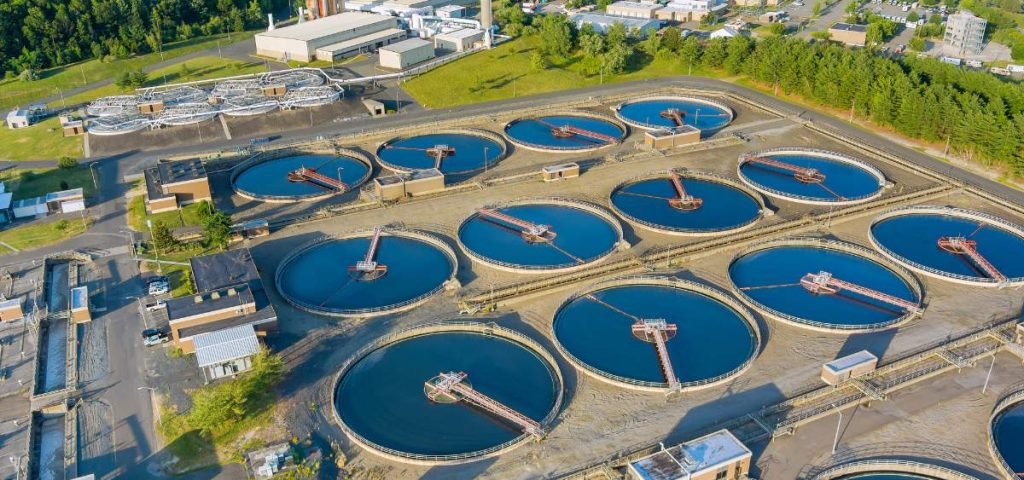
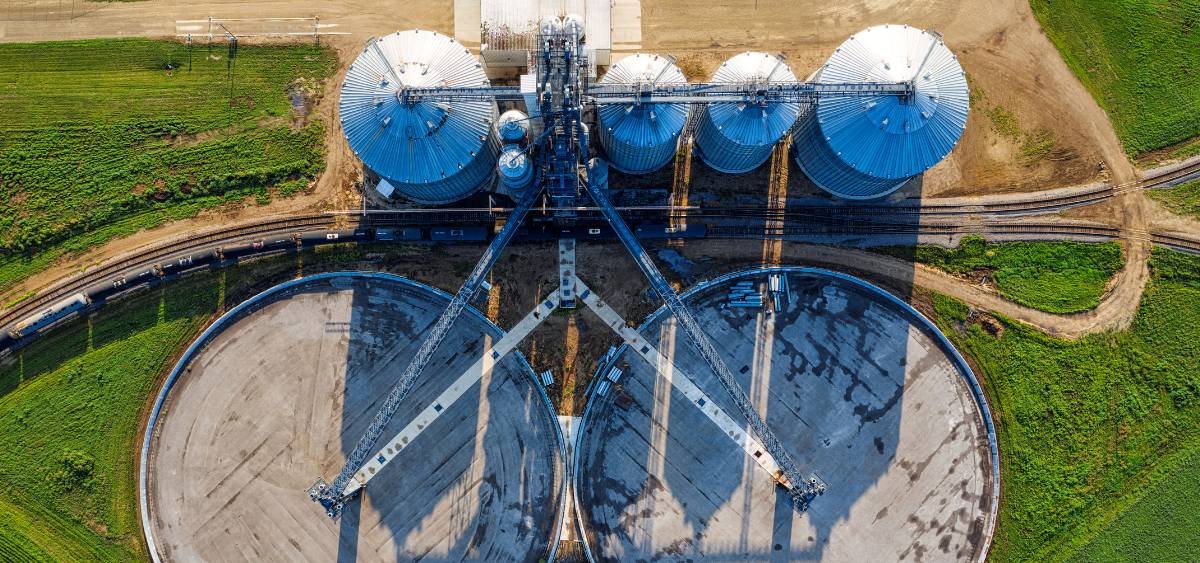
A wastewater treatment plant is basically a big, high-tech water cleaning system. Think of it like a factory, but for water. The main parts are tanks where the dirty water is cleaned. Some tanks let heavy solids settle down, while others use oxygen bubbles to help tiny microbes break down the waste. These tanks need aerators, which keep the water moving and full of oxygen so the microbes can stay active.
Then there are clarifiers, which act like a natural filter. They let the clean water separate from the sludge, so the solid waste settles at the bottom. After that, the water passes through filters, from simple sand filters to modern membrane systems, to make it even cleaner.
Finally, the whole system runs smoothly because of important equipment like pumps, valves, and sensors. These tools help control the flow and monitor the process. In simple terms, a wastewater treatment plant is designed so all these parts work together efficiently, whether it’s in a city or a rural area.
Benefits of Proper Wastewater Treatment
Proper wastewater treatment brings many benefits. First, it protects the environment by stopping harmful chemicals and waste from entering rivers and lakes. This helps keep fish and other animals safe and preserves natural habitats. It also protects our health. Clean treatment prevents waterborne diseases like cholera, which spread through dirty water.
Another big advantage is that treated wastewater can be reused. In areas where water is scarce, this water can be used for irrigation or even made safe for drinking. In fact, a 2025 World Bank report says that effective treatment could help recycle enough water to meet 10% of global demand by 2030. Overall, proper wastewater treatment saves money, supports sustainable water use, and helps build stronger communities.
Challenges & Solutions
Wastewater treatment is not always easy. One big challenge is the high cost, especially for small businesses. But now, modular systems and government support are making it more affordable. Another issue is pollution control. It needs strict monitoring, but this is getting easier with real-time sensors and AI systems that adjust treatment automatically.
Maintenance can also be a problem, because equipment wears out over time. However, predictive technology helps by spotting issues early, before they become serious. Industries face extra challenges with their wastewater, but new solutions like bio-based treatment chemicals are helping. These options are safer for the environment and also help control costs.
Future of Wastewater Treatment: Innovations Coming Soon
Looking ahead to 2026 and beyond, wastewater treatment is becoming much smarter. New technologies like IoT sensors and AI can monitor and improve the treatment process in real time, helping save energy and reduce costs.
We can also expect more wastewater plants powered by renewable energy, such as solar and wind, making them greener and cheaper to run. On top of that, new developments in nanotechnology will help purify water more efficiently, and decentralized treatment systems will bring clean water solutions to remote areas. Overall, these innovations will make wastewater treatment more sustainable, scalable, and ready to meet the growing demand for clean water.
Conclusion
We’ve walked through the wastewater treatment process step by step, from where the dirty water comes from to how it becomes clean again. And one thing is clear: treating wastewater properly is not something we can ignore. It’s important for our health, our environment, and our future.
When we use the right wastewater treatment methods and technologies, we help create a cleaner and safer world. Whether you live in a busy city or a quiet village, supporting good wastewater management helps everyone. What do you think? Share your thoughts in the comments, how can we make water treatment even better?
Also, read: Turning Storm-Damaged Wood into Music and Hope – VAIA Cube
Also, read: The Power of “Reduce, Reuse, Recycle”: Making Every Resource Count
Also, read: The Glitter That Costs Childhoods: Dark Truth of Mica Mining
Also, read: How Lohum Is Making Millions from Waste Batteries!
Also, read: Environment Friendly Shopping Hacks That Even Lazy People Can Do!
Also, read: The Shocking Benefits of Repurposing You Never Knew About!