
Imagine living in a beautiful mountain valley with ancient monasteries and herds of wild yaks, then watching floods wash away your home. This is now everyday life for people in Limi Valley, a remote region in Nepal’s Humla district near the Tibet border. The villages sit very high in the Himalayas, between 3,700 and 4,100 meters. For generations, families survived by herding yaks, growing hardy crops, and doing small cross-border trade. But rising temperatures and unpredictable weather are destroying this way of life.
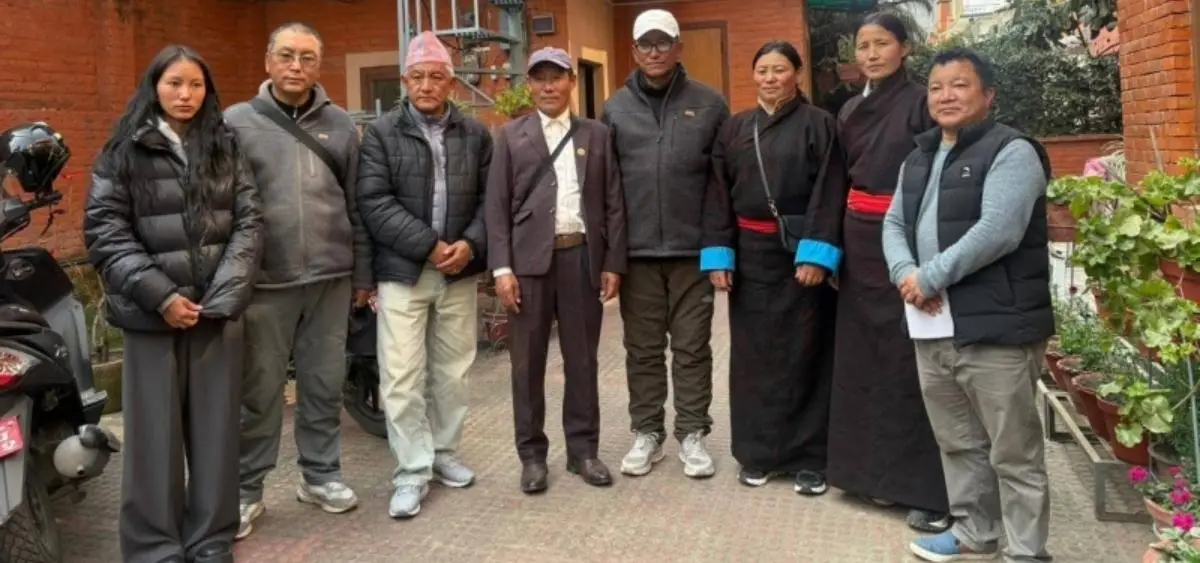
On January 23, 2026, residents from Limi Valley met in Lalitpur at an event hosted by the Centre for Social Innovation and Foreign Policy. They shared painful stories of climate change, stronger floods, rivers cutting into homes and farmland, and changing seasons that make farming and herding extremely hard. Last year, a flood in Til village destroyed houses and land, forcing families to leave forever. In 2011, a sudden burst from a glacial lake in Halji village damaged homes and crops, showing how fast conditions are changing.
Limi Valley has three villages: Halji, Til, and Jang. Halji is famous for its 11th-century monastery, one of the oldest in Nepal, and views of sacred Mount Kailash across the border. But Jang is almost empty now, its population has dropped from over 60 families to just two. People are leaving because traditional work no longer supports them. Grazing rules agreed between Nepal and China reduced pasture access, and COVID-19 border closures ended important income sources. As families move away, schools close and community life slowly disappears.
Local leaders like Mangal Lama and Paljor Tamang say rising heat in the high Himalayas is the main problem. It has changed rainfall patterns and increased natural disasters. They also questioned why help is so limited on the Nepal side, while roads and services across the border are much better. Another resident, Yanchen Tamang, spoke about the fear and sadness of watching close-knit communities break apart.
To survive, the villages decided last year to relocate to a nearby place called Takchi. This move is planned, not rushed. The goal is to stay safer from climate risks and develop tourism. Takchi could attract visitors interested in the rare wild yaks and the valley’s unique culture. But for this plan to succeed, government support is needed, especially easier travel rules in this restricted border area.
The Limi Valley climate crisis is not just a local issue. It shows how climate change threatens fragile mountain regions where people have lived in balance with nature for centuries. Without quick action, better disaster planning, flexible policies, and support for sustainable livelihoods, these communities may lose their homeland forever. With the right help, however, this crisis could become a story of survival, adaptation, and hope.
Also, read: Indonesia Cancels Dam Permit to Protect Endangered Orangutans
Also, read: EU biofuel project: Jet fuel made from tomato waste!
Also, read: Bat Appreciation Day 2026: Facts, Importance & Conservation!
Also, read: 10 Best Sustainable Small Towns in US Travelers Should Visit!
Also, read: The City That Drinks Water: Meet the Sponge City!
Also, read: Your Guide to Celebrating World Vegan Day 2025 the Right Way!