
Hello animal lovers! Imagine swinging through green trees, talking with your group, and solving problems like a smart thinker. Monkeys have always amazed humans with their playful nature and sharp intelligence. They jump between trees, live in close family groups, and often behave in ways that feel surprisingly human. Scientists continue to study them, and by 2026, research has revealed even more fascinating details about their lives.
In this blog, you’ll explore 30 incredible monkey facts that are fun, interesting, and eye-opening. These facts are perfect for kids, students, animal lovers, or anyone curious about wildlife. Let’s dive into the amazing world of monkeys and discover why they are so special.
Amazing Monkey Facts You Should Know
- Scientists have identified over 330 monkey species worldwide, grouped into Old World monkeys (Africa and Asia) and New World monkeys (Central and South America).
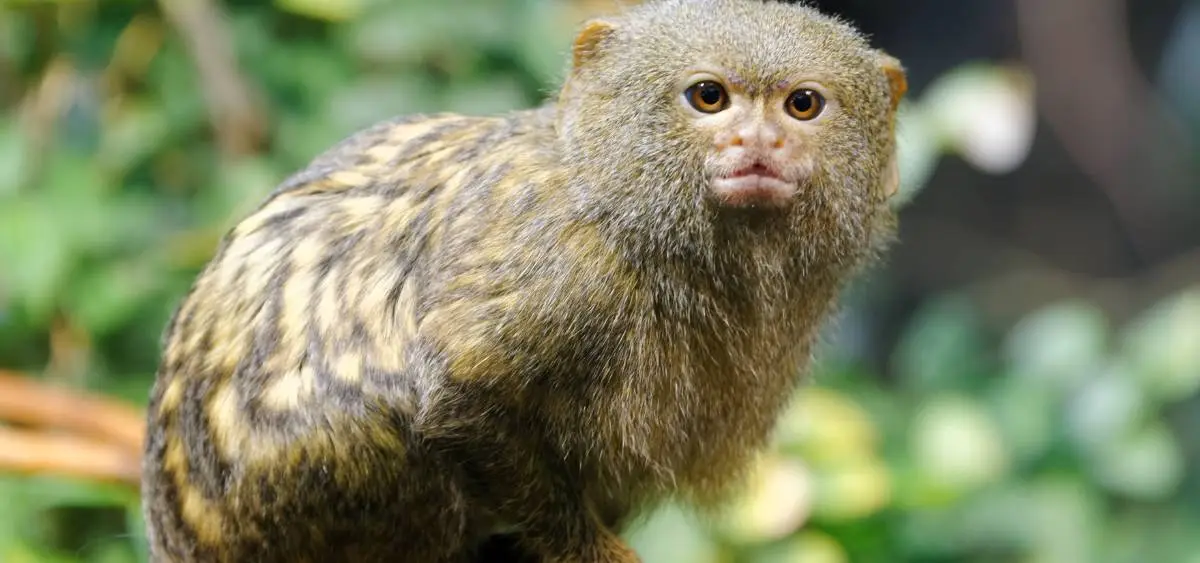
- The pygmy marmoset is the smallest monkey in the world. It weighs only about 4 ounces and can fit in a human hand.
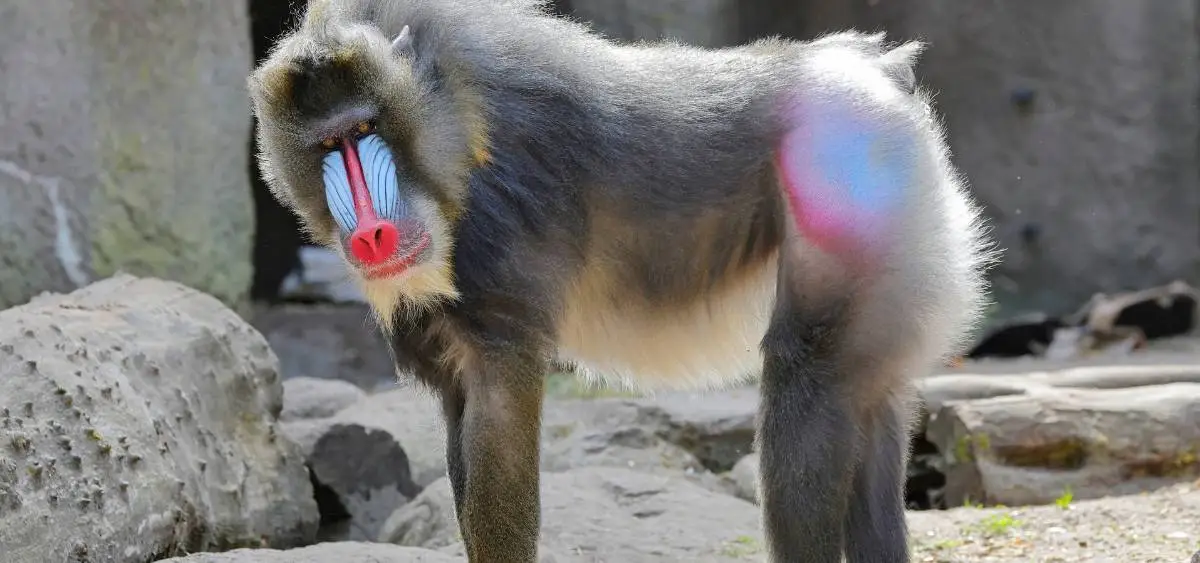
- The mandrill is the largest monkey species. Adult males can grow over 3 feet long and weigh more than 77 pounds.
- Many New World monkeys have prehensile tails, which act like a fifth hand to hold branches while climbing.
- Spider monkeys have tails longer than their bodies, with special hairless tips that help them grip tightly.
- Japanese snow monkeys live in very cold regions and survive winter by soaking in natural hot springs.
- Howler monkeys are the loudest land animals. Their calls can be heard from up to 3 miles away.
- Capuchin monkeys use tools like stones to crack nuts, a skill passed down through generations.
- Some monkey species show unique social behaviors, including rare cases of adopting or carrying babies from other groups.
- Marmosets use special calls that work like names, helping them recognize and respond to specific individuals.
- Certain monkeys can recognize themselves in mirrors, showing signs of self-awareness.
- Vervet monkeys use different alarm calls for different predators, such as snakes, eagles, or leopards.
- Baboons live in complex social systems with leaders, friendships, and even clever tricks.
- Grooming is very important in monkey groups, it helps clean their fur and builds strong social bonds.
- Proboscis monkeys are excellent swimmers and often escape danger by diving into rivers.
- Golden snub-nosed monkeys live in freezing mountain areas and survive harsh winters.
- Night monkeys are active after dark and sleep most of the day.
- Baby monkeys cling tightly to their mothers for months while learning how to survive.
- Many monkeys live in large groups of 10 to 100 members, which helps protect them from predators.
- Rhesus macaques are very adaptable and often live near humans in cities.
- Some monkeys wash their food before eating, showing learned behavior and curiosity.
- Patas monkeys are extremely fast and can run up to 35 miles per hour.
- Mandrills have the most colorful faces among monkeys, which signals strength and health.
- Some monkeys show strong interest in social drama and conflicts within their groups.
- Monkeys can feel loss and grief, and some mothers carry their dead babies for days.
- Capuchins perform better than humans in some problem-solving tests that require quick thinking.
- Woolly monkeys communicate over long distances using loud calls.
- Monkeys share about 93% of their DNA with humans, explaining many similar behaviors.
- More than half of all monkey species are threatened due to deforestation and habitat loss.
- Monkeys play a key role in nature by spreading seeds, helping forests grow and stay healthy.
Why These Monkey Facts Matter
These facts show that monkeys are not just playful animals- they are intelligent, emotional, and important to the environment. From their social behavior and communication to their role in forests, monkeys help us better understand nature and ourselves.
Whether you’re looking for short monkey facts, reel ideas, or educational content, these insights are perfect to share. Which fact surprised you the most? These amazing monkey facts might truly change how you see our closest animal relatives forever.
Also, read: Celebrate Monkey Day (14 December): Discover the Fun and Facts
Also, read: The City That Drinks Water: Meet the Sponge City!
Also, read: The Unexpected Ingredient Behind Luxury Eco-Fashion: Pinatex!
Also, read: What Is Bioleather? Know everything- Pros, Cons & Myths!
Also, read: Meet Goliath Birdeater: The Monster Spider of the Amazon!
Also, read: Nuclear Device Himalayas: Nanda Devi Plutonium Mystery!