On August 12, 2025, World Elephant Day unites people globally to save elephants from extinction. This annual event, launched in 2012, shines a light on the urgent need to protect elephants and their habitats. Elephants are intelligent, emotional creatures with deep family bonds, yet they face severe human-made threats. By joining the elephant awareness campaign, you can help ensure their survival.
Fascinating Facts About Elephants
Elephants are incredible creatures with unique traits that make them vital to their ecosystems. Here are more facts about elephants to deepen your appreciation for why elephants matter:
- Remarkable Memory: Elephants never forget! Their exceptional memory helps them navigate vast landscapes, find water sources during droughts, and recognize other elephants or even humans after decades.
- Complex Communication: Beyond low-pitched rumbles, elephants use ear flaps, trunk touches, and body gestures to “talk” within their herd, expressing everything from affection to warnings.
- Tool Users: Elephants are among the few animals that use tools, like branches to swat flies or logs to scratch hard-to-reach spots, showcasing their problem-solving skills.
- Emotional Depth: Elephants mourn their dead, gently touching bones of lost herd members, a behavior that reflects their deep emotional intelligence and empathy.
- Massive Appetites: An adult elephant eats up to 300 pounds of food daily, munching on grasses, leaves, and bark, shaping their environment as they feed.
- Sensitive Feet: Their feet detect vibrations in the ground, helping them sense distant herd members, predators, or even approaching storms.
- Long Pregnancies: Elephant pregnancies last 22 months, the longest of any land animal, resulting in highly developed calves that can walk within hours of birth.
- Diverse Diets: Elephants consume over 300 plant types, from roots to fruits, making them key seed dispersers that help forests and grasslands thrive.
The Global Elephant Crisis
The global elephant crisis threatens the survival of these majestic animals, pushing them closer to elephant extinction. Once numbering over 12 million in the wild a century ago, elephant populations have plummeted to roughly 400,000 today. The challenges are complex and interconnected, driven by human actions that demand urgent solutions. Here’s a deeper look at the crisis:
- Rampant Poaching: Poachers kill approximately 20,000 elephants annually for their ivory tusks, fueled by high demand in countries like China, where ivory can fetch prices higher than gold. This illegal trade not only decimates populations but also disrupts herd dynamics, leaving calves orphaned and vulnerable. The stop ivory trade movement is critical to curbing this loss.
- Habitat Destruction: Elephants have lost 30% of their geographic range between 2002 and 2011 due to expanding human settlements, agriculture, and infrastructure. This shrinkage limits access to food and water, reduces breeding opportunities, and forces elephants into closer contact with humans, escalating conflicts. Conserving natural habitats is a cornerstone of elephant conservation.
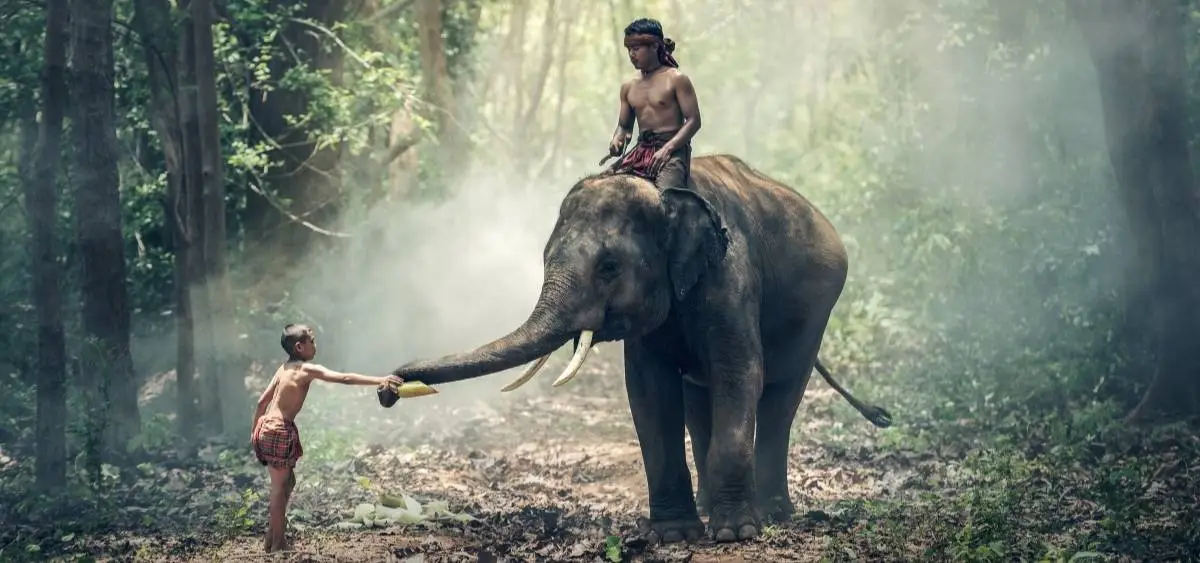
- Exploitation in Tourism: The tourism industry inflicts severe harm through activities like elephant rides, shows, or bathing experiences. These practices often involve cruel training methods, including beatings and confinement, starting from a young age. Even “ethical” sanctuaries can exploit elephants for profit, causing lifelong physical and psychological trauma. Raising awareness to end elephant poaching and exploitation is vital.
- Human-Elephant Conflict: As habitats shrink, elephants wander into farms or villages, damaging crops and property. This leads to retaliatory killings by communities struggling to protect their livelihoods. Innovative solutions, like electric fences or alternative crops, are needed to reduce these conflicts and foster coexistence.
- Genetic Impacts: The relentless pressure of poaching is altering elephant genetics. More elephants are born tuskless or with smaller tusks, as those with larger tusks are killed before they can reproduce. This evolutionary shift could weaken their ability to forage or defend themselves, threatening long-term survival.
- Captivity and Mistreatment: Many elephants in circuses, zoos, or tourism ventures endure harsh conditions. For example, Mundi, an African savannah elephant, was rescued in 2023 from a Puerto Rico zoo after decades of exploitation. Support elephant sanctuaries that prioritize reintroduction to natural habitats can offer these animals a second chance.
- Declining Populations: The IUCN (International Union for Conservation of Nature) Red List classifies African savannah and Asian elephants as endangered, while African forest elephants are critically endangered. With only 415,428 African elephants and 40,000–50,000 Asian elephants left in the wild, the decline is stark. The newly recognized Bornean elephant, a subspecies of the Asian elephant, faces a high extinction risk due to its small population.
Why Elephants Need Protection
Elephants are keystone species, vital to their ecosystems. They create paths, spread seeds, and support biodiversity. The importance of elephants extends to entire ecosystems, like Borneo’s forests, where the endangered Bornean elephant coexists with other species. Losing them would disrupt nature’s balance, making elephant conservation critical.
How to Celebrate World Elephant Day 2025?
This World Elephant Day, take action to support elephant sanctuaries and end elephant poaching. Here’s how to help elephants:
- Spread Awareness: Share World Elephant Day posts with hashtags like #WorldElephantDay to educate others.
- Sign the Pledge: Join the global push for policies that protect elephants and recognize animal sentience.
- Travel Responsibly: Avoid elephant rides or shows; choose ethical sanctuaries focused on welfare.
- Avoid Ivory: Ensure products like pianos or antiques are ivory-free to stop the ivory trade.
- Donate: Fund organizations conserving habitats or creating sustainable livelihoods for communities near elephants.
- Learn More: Watch documentaries like Return to the Forest to understand the elephants and environment connection.
Inspiring Words for Change
World Elephant Day quotes capture the urgency: “We admire elephants for their finest human traits, but the way we treat them shows the worst of human behavior,” says Graydon Carter, Editor of Vanity Fair. By advocating for elephant rights, you can help rewrite this story.
Take Action Now
The global elephant crisis demands action. With only about 400,000 elephants left in the wild, down from 12 million a century ago, every step counts. On August 12, 2025, celebrate World Elephant Day by being their voice. Share, pledge, or donate to ensure these majestic creatures thrive in safe, natural habitats. Will you stand up for elephants?
FAQs
1. When is World Elephant Day celebrated?
World Elephant Day is celebrated every year on August 12.
2. Who started World Elephant Day?
World Elephant Day was co-founded in 2012 by Canadian filmmaker Patricia Sims and the Elephant Reintroduction Foundation of Thailand.
3. How can I support World Elephant Day?
You can donate to elephant conservation organizations, spread awareness on social media, avoid ivory products, and support ethical tourism.
4. How many elephants are left in the world?
As of recent estimates, around 400,000 African elephants and 40,000 Asian elephants remain, with numbers declining due to ongoing threats.
5. What organizations support World Elephant Day?
Groups like World Elephant Society, WWF, Save the Elephants, and the Elephant Reintroduction Foundation actively support this cause.
Also, read: International Moon Bear Day: Stand Up for the Moon Bears!
Also, read: World Lion Day: Stand with the King of the Jungle- 10 August
Also, read: World Biofuel Day 2025: Significance, Facts & Celebration!
Also, read: What Is International Clouded Leopard Day and Why Is It Important?
Also, read: Is Your Pet’s Carbon Footprint Bigger Than You Think?