Every year, India bursts into action during the first week of July, planting millions of trees in a vibrant celebration called Van Mahotsav, also known as the Festival of Trees. This week-long event, known as the India tree planting festival, unites communities, schools, and governments in a shared mission to make the country greener. But why does India plants trees July? Let’s explore the roots of Van Mahotsav 2025, its meaning, and why it matters now more than ever.
What Is Van Mahotsav?
Van Mahotsav, meaning forest festival India, is an annual event held from July 1 to July 7. It started in 1950, sparked by Dr. K.M. Munshi, India’s then Union Minister for Agriculture. His goal was simple- get everyone to plant trees and care for the environment. The Van Mahotsav tradition encourages every citizen to plant a sapling during this week, creating a ripple effect for a healthier planet. This India environmental festival aligns with the monsoon season, making it the perfect time for monsoon tree planting because the rains help saplings take root and grow strong.
In 2025, Van Mahotsav is bigger than ever. For example, Delhi alone plans to plant 7 million trees across its 70 constituencies, with Chief Minister Rekha Gupta kicking off the event under the Ek Ped Maa Ke Naam (One Tree in the Name of Mother) initiative. Across India, states like Uttar Pradesh aim to plant 35 crore (350 million) trees during this million tree drive in India.
Why India Plants Trees in July?
why India plants trees during Van Mahotsava July? The answer lies in timing and purpose. July marks the start of India’s monsoon season, creating ideal conditions for tree plantation India. The wet soil and regular rains give saplings a higher chance of survival. But it’s more than just practical timing—it’s about building a greener future.
The Van Mahotsav significance goes deep. Trees fight climate change by absorbing carbon dioxide, a major greenhouse gas. They also prevent soil erosion, clean the air, and provide homes for wildlife. In a country facing challenges like deforestation and air pollution, this India green initiative in July is a powerful step toward sustainability. For instance, trees planted during Van Mahotsav help cool cities, reduce flooding, and support farmers by providing resources like timber and fruit Sigma Earth.
A Festival That Brings People Together
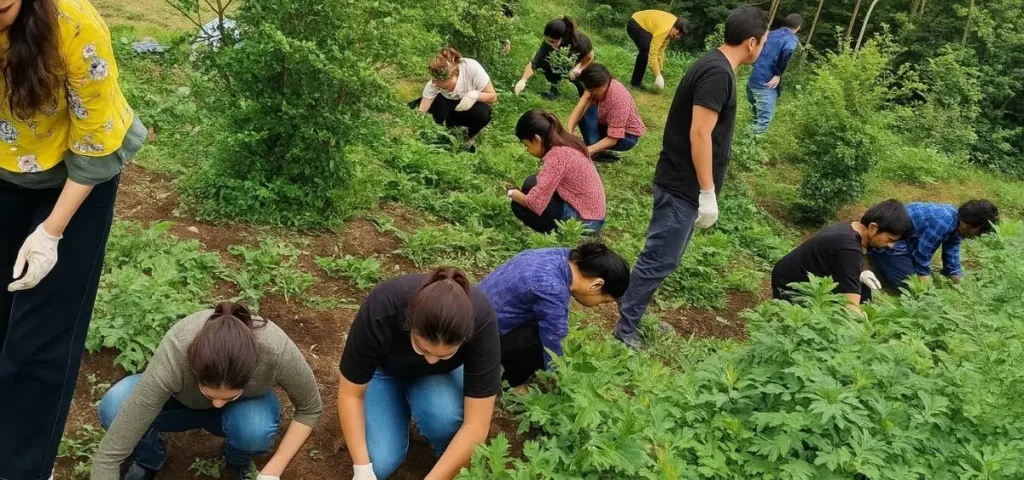
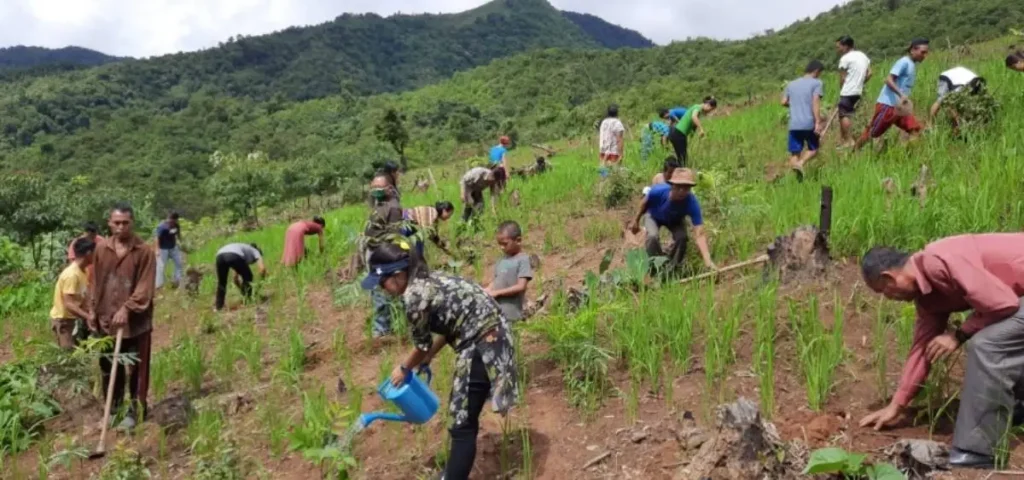
Van Mahotsav meaning is all about community and responsibility. Schools host competitions like essay writing and poster-making to spark environmental awareness in India among kids. NGOs and volunteers lead rallies and workshops, while government programs, like those in Senapati, organize roadside planting drives. In 2025, the theme “Plant Trees, Save Earth” inspires everyone to join the planting millions of trees movement.
Imagine entire neighborhoods coming together, from kids to grandparents, planting native species like neem or mango trees. It’s not just about summer tree planting India—it’s a celebration of life and hope for future generations.
Why It Matters in 2025
Today, Van Mahotsav 2025 is more critical than ever. Rapid urbanization has led to widespread deforestation, harming air quality and biodiversity. Trees planted during this forest festival India help restore balance. They act as natural air filters, improve water cycles, and create shade, making cities more livable. Plus, they support rural communities by providing sustainable resources.
The numbers are impressive. In 2025, India’s goal is to plant hundreds of millions of trees nationwide. Uttar Pradesh’s plan to gift saplings to newborns in government hospitals is a heartwarming example of how this festival weaves environmental care into everyday life.
How You Can Connect to the Spirit of Van Mahotsav
Even if you’re not in India, the Van Mahotsav tradition can inspire you. Plant a tree in your backyard or support local conservation efforts. Choose native plants that thrive in your area to boost biodiversity. Small actions, like reducing waste or recycling, align with the festival’s eco-friendly spirit. Van Mahotsav reminds us that every tree counts, and together, we can make a difference.
A Growing Legacy
Van Mahotsav isn’t just a week of planting—it’s a movement that’s been growing since 1947, when botanist Mohinder Singh Randhawa first organized a tree-planting week. Today, it’s a nationwide call to action, uniting people to protect the planet. Whether it’s a single sapling or a million tree drive in India, every effort during this India environmental festival builds a greener, healthier world.
So, next time you hear about India plants trees in July, know it’s more than a tradition—it’s a promise to nurture the Earth for generations to come. Let’s take a leaf out of India’s book and plant hope, one tree at a time.
When Other Countries Celebrate Trees
| Country | Festival / Day | Date |
|---|---|---|
| Australia | National Tree Day; Arbor Week | June + last weekend in July |
| Brazil | Dia da Árvore | September 21 |
| Bulgaria | National Forest Day | First week of April |
| Canada | National Tree Day; Arbor Week | Last Wednesday in September; late April/early May |
| China | Arbor Day | March 12 |
| Central African Republic | National Tree Planting Day | July 22 |
| Egypt | Arbor Day | January 15 |
| Iran | National Tree Planting Day | March 5 |
| Israel | Tu BiShvat (New Year for Trees) | 15th of Shevat (usually Jan/Feb) |
| Japan | Greenery Day | May 4 |
| Kenya | National Tree Planting Day | Historically April 21; new dates Nov 13, 2023 & May 10, 2024 |
| Mexico | Día del Árbol | 2nd Thursday of July |
| Namibia | Arbor Day | 2nd Friday in October |
| Netherlands | Nationale Boomfeestdag | 3rd Wednesday in March |
| New Zealand | Arbor Day | June 5 (World Environment Day) |
| Philippines | Arbor Day | June 25 |
| Republic of Congo | National Tree Planting Day | November 6 |
| South Africa | Arbour Week | September 1–7 |
| South Korea | Singmogil (Arbor Day) | April 5 |
| Tunisia | Tree Festival Day | November 9 |
| United Kingdom | National Tree Week; Tree Dressing Day | Start of November; first weekend in December |
| United States | National Arbor Day | Last Friday in April (varies by state) |
| Zimbabwe | National Tree Planting Day | First Saturday in December |
FAQs
Who started Van Mahotsava in India?
Van Mahotsava was started in 1950 by K. M. Munshi, the then Union Minister for Agriculture and Food of India.
How is Van Mahotsava celebrated?
People, schools, and organizations plant trees, hold awareness rallies, workshops, and cultural events to promote environmental conservation.
What does “Van Mahotsava” mean?
“Van Mahotsava” is a Hindi term that means “Forest Festival.”
Why is Van Mahotsava celebrated in July?
July marks the beginning of the monsoon season in India, which helps newly planted trees grow better.
Who participates in Van Mahotsava?
Government bodies, NGOs, schools, communities, and citizens across India participate in tree-planting activities.
Can a foreigner participate in Van Mahotsava?
Yes! Anyone, including foreigners, can join tree-planting activities during Van Mahotsava. It’s open to all who care about the environment.