Clothing recycling is transforming the way we view fashion and its environmental impact. The textile industry generates over 90 million tons of waste annually, with India playing a significant role in global textile pollution. A groundbreaking effort, the Extra Life Project by ReCircle, is gaining worldwide attention for its innovative approach to tackling textile waste.
This clothes recycling program is driving sustainable fashion forward, creating a model for circular fashion that resonates globally. Let’s explore why this initiative is sparking excitement and how it’s reshaping the future of eco-friendly clothing.
Also, read: Turning Storm-Damaged Wood into Music and Hope – VAIA Cube
The Challenge: Textile Waste Is Piling Up
Clothes are a big part of our everyday lives, think about all the shirts, jeans, and dresses we wear. But the harsh truth is that the fashion industry creates a massive amount of waste. Every year, millions of garments get tossed into landfills or end up clogging our rivers and oceans.
In India, textile factories are a major source of water pollution, hurting nature and the people who live nearby. The good news? A lot of these thrown-out clothes could be reused or turned into something new. The problem is, we don’t always have the systems in place to make that happen.
That’s where the Extra Life Project comes in. Kicked off by ReCircle in early 2024, this project is tackling the textile waste crisis with passion and purpose. It’s all about cutting down on clothing waste, encouraging sustainable wardrobes, and showing the world that fashion recycling isn’t just a dream, it’s a game-changer.
Also, read: Cigarette Butts to Adorable Creation? This Innovation Is Genius!
What Makes the Extra Life Project Unique?
The Extra Life Project is ReCircle’s big swing at tackling the mountain of textile waste we’re facing. They’re out to recycle over 500 metric tons of clothes in just their first year, everything from your favorite cotton tees to denim jeans, polyester dresses, and even silky scarves. They’ve teamed up with all sorts of folks, local shops, schools, hotels, and everyday households, to make reusing clothes something everyone can do.
Here’s how it goes down:
- They scoop up old textiles and bring them to their hub in Mumbai, a place they call the Material Recovery Facility.
- There, a crew of skilled workers sifts through every piece, figuring out what can be fixed up and worn again.
- Stuff that’s too worn out? It heads to partners in places like Surat, where it’s shredded and spun into fresh yarn or even turned into energy.
- It’s all about giving every single garment a new chapter, which is exactly what this project is all about.
Also, read: Sustainable Fashion Hacks: Stylish Choices That Help the Earth
What Sets This Project Apart?
The Extra Life Project is all heart when it comes to ethical fashion and being upfront with people. ReCircle uses smart tech to keep tabs on every piece of clothing, making sure nothing ends up in a landfill. In an industry where green promises sometimes fall flat, this honesty builds real trust.
By zeroing in on used clothes, the project gets the most out of every textile while giving waste workers a boost through training and new job opportunities.
The scope of it all is pretty amazing, too. ReCircle has already kept thousands of tons of waste out of dumps across India, teaming up with hundreds of partners in more than 250 cities.
With the Extra Life Project, they’re aiming to bring over 100,000 households and big-name fashion brands into the fold, setting a bold example for sustainable fashion worldwide.
Also, read: Who Are the Green Giants? And How Are They Changing Our World?
How Clothing Recycling Works (Step-by-Step)
Clothing recycling is more than just giving away old clothes. Behind the scenes, there’s a full process that decides what happens to each item. Organizations like ReCircle follow a structured system to make sure clothes are reused, recycled, or handled properly instead of ending up as waste. Here’s how the process usually works:
1. Collection
It starts with collecting used clothes from different sources like homes, offices, and donation drives. Brands also contribute unsold or returned stock. At this stage, all types of clothing are collected, no matter their condition.
2. Sorting
The collected clothes are then sent to a facility where they are sorted based on fabric type and condition. Non-textile parts like buttons and zippers are removed. This step is important because it decides the next use of each item.
3. Reuse / Repair
Clothes that are still in good condition are cleaned and reused, while slightly damaged ones are repaired or redesigned. This helps increase the life of clothes and reduces the need for new production.
4. Recycling
Items that cannot be reused are processed into raw materials. The fabric is broken down into fibers and used to create new products. This reduces waste and saves resources.
5. Energy Recovery
Clothes that are too damaged to recycle are used to generate energy through controlled methods. This ensures that even unusable waste is handled properly instead of going to landfills.
The Power of Circular Fashion
Circular fashion keeps materials in use for as long as possible, reducing waste and environmental harm. The Extra Life Project embodies this by turning old garments into recycled fabric or energy, cutting reliance on new resources. This promotes green fashion and lowers carbon emissions. For businesses, ReCircle offers solutions like waste management programs and customer take-back schemes, making sustainable practices practical and accessible.
Beyond the environment, the project creates social impact. By generating jobs for waste workers, it supports local communities and fosters economic opportunities. It’s a holistic approach that benefits the planet, people, and businesses alike.
Also, read: Billionaire Gives Away $3 Billion Company to Save the Planet!
How to Join the Movement?
Want to be part of this textile recycling revolution? Here’s how you can get involved with the Extra Life Project:
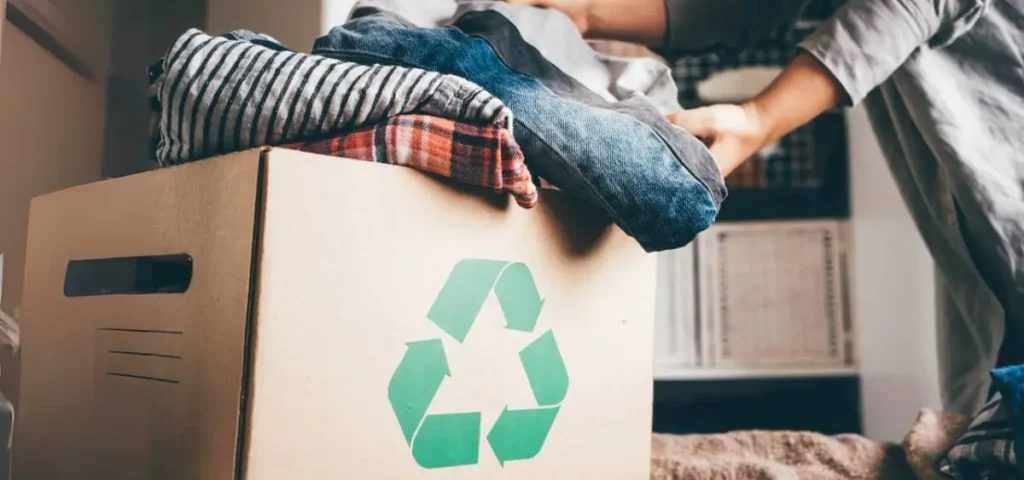
- Donate Old Clothes: Drop off garments at ReCircle’s Mumbai collection points or partner locations.
- Collaborate as a Business: Work with ReCircle to manage production waste or start a take-back program. Learn more at recircle.in.
- Raise Awareness: Share the vision of zero waste fashion with your network to grow the movement.
Every step counts. Whether you’re donating a single sweater or partnering as a brand, you’re contributing to a more sustainable future.
Also, read: How Lohum Is Making Millions from Waste Batteries!
Conclusion
The fashion industry faces a critical moment. With textile waste growing and environmental damage escalating, initiatives like the Extra Life Project are essential. They prove that sustainable fashion is achievable through innovation and collaboration. ReCircle’s focus on traceability and impact sets a new standard for clothing recycling companies globally.
As ReCircle’s leadership notes, transparency and accountability are key to building trust in recycling efforts. The Extra Life Project delivers on this, offering a clear path for consumers and brands to embrace upcycled clothing and clothes reuse. By choosing to recycle, you’re not just cleaning out your closet—you’re helping create a world where fashion is kind to the planet.
Ready to give your wardrobe a green makeover? The Extra Life Project shows us how small actions can lead to big change. Join the movement and be part of the future of fashion sustainability.
Also, read: Sustainable Supply Chain: What Every Business Must Know in 2025!
FAQs
1. What types of clothes can I donate to the Extra Life Project?
You can donate all kinds of textiles, including: Cotton, Denim, Polyester, Wool, Silk, Nylon, Acrylic. Synthetic fibers Even damaged or worn-out clothes are accepted, as they can be recycled into new materials.
2. How does the Extra Life Project work?
ReCircle collects clothing from various locations and sorts them to identify items fit for repair or reuse. Anything that cannot be fixed is sent to facilities for fabric recycling or energy conversion, ensuring every piece is either repurposed, recycled, or used for power.
3. Does the Project Extra Life create jobs?
Yes! The Extra Life Project creates 80-100 indirect jobs for waste workers, called Safai Saathis. These jobs help support local communities and provide training for better livelihoods.
4. How can I support the Extra Life Project besides donating clothes?
You can help by:
- Spreading the word about zero waste fashion and the project.
- Encouraging businesses or schools to partner with ReCircle.
- Learning more about sustainable fashion and building a sustainable wardrobe.
5. What is the goal of the Extra Life Project?
The project aims to recycle over 500 metric tons of textile waste in its first year and reach 100,000+ people and organizations. It’s all about creating a circular fashion system where nothing goes to waste.
6. Can I donate clothes that are torn or damaged?
Yes! Even torn or damaged clothes can be recycled into new materials or energy. The Extra Life Project accepts all textiles, so nothing is thrown away.