Did you know the average person produces around 4 tons of carbon emissions every year, while some countries generate even more per person?
Every time we drive a car, order fast delivery, waste food, or leave lights on unnecessarily, we add greenhouse gases into the atmosphere. These emissions are slowly heating the planet, melting glaciers, worsening floods, and increasing extreme weather events worldwide.
But here’s the surprising part, your carbon footprint is not only created by factories or airplanes. It is shaped by hundreds of small daily choices, what you eat, how you travel, what you buy, and even how you use the internet.
Understanding your carbon footprint is the first step toward protecting the planet and creating a healthier future for coming generations.
Also, read: The Power of “Reduce, Reuse, Recycle”: Making Every Resource Count
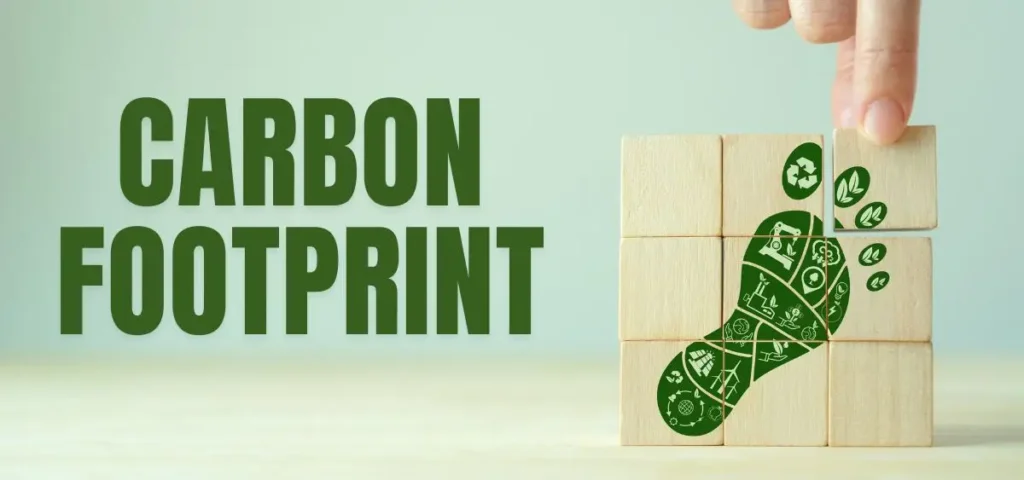
What Is Carbon Footprint?
A carbon footprint represents the total amount of greenhouse gases (GHGs), primarily carbon dioxide (CO₂), emitted directly and indirectly by human activities. These emissions stem from various sources, including transportation, energy consumption, and food production. For instance, the production and transportation of a single bottle of water involve CO₂ emissions from manufacturing the bottle and delivering it to consumers.
In Simple language: A carbon footprint measures the environmental impact of our daily activities by calculating the amount of greenhouse gases released into the atmosphere. These emissions mainly include carbon dioxide (CO₂), methane (CH₄), and nitrous oxide (N₂O), which trap heat in the Earth’s atmosphere and contribute to global warming and climate change. Example: a person who drives a petrol SUV every day, consumes heavily processed food, and wastes electricity will have a much larger carbon footprint than someone who uses public transport, eats local and sustainable food, and saves energy at home.
Carbon Footprint Examples in Daily Life
Here are some common activites that increase emissions:
| Activity | Environmental Impact |
|---|---|
| Driving daily | Burns fossil fuels |
| Ordering fast fashion | Increases manufacturing emissions |
| Food waste | Produces methane in landfills |
| Excess AC use | High electricity consumption |
| Frequent flying | Large CO₂ emissions |
Main Sources of Carbon Footprint
Human activities in daily life contribute heavily to carbon emissions and environmental damage. From transportation to waste generation, many everyday habits increase our carbon footprint without us even realizing it.
1. Transportation
Vehicles like cars, airplanes, trucks, and ships burn fossil fuels and release large amounts of carbon dioxide into the atmosphere. Heavy traffic and air travel are among the biggest contributors to transportation-related emissions.
2. Electricity Consumption
Most electricity is still generated using coal and fossil fuels, which produce greenhouse gases. Appliances like air conditioners, refrigerators, heaters, and excessive lighting increase energy consumption and carbon emissions.
3. Food Production
Food production also creates a carbon footprint through farming, transportation, and packaging. Foods like beef, dairy, and processed items generate higher emissions, while plant-based and local foods are more eco-friendly.
4. Shopping & Consumerism
Fast fashion and unnecessary shopping increase pollution because factories use large amounts of energy, water, transportation, and packaging materials. Overconsumption puts extra pressure on natural resources and the environment.
5. Waste Generation
Landfills release methane gas when waste breaks down, making waste generation a major environmental issue. Food waste, plastic pollution, and poor recycling habits further increase greenhouse gas emissions.
Also, read: What Is Sustainable Technology? Easy Examples and Why It Matters
Effect of Carbon Footprint on Environment
Carbon footprints have a major impact on the environment and are one of the leading causes of climate change. Increasing greenhouse gas emissions are affecting nature, weather patterns, oceans, and wildlife across the world.
1. Rising Global Temperatures
Greenhouse gases trap heat in the Earth’s atmosphere, causing global temperatures to rise continuously. This global warming is making summers hotter and disrupting natural climate patterns worldwide.
2. Extreme Weather Events
Climate change is increasing the frequency and intensity of extreme weather conditions such as heatwaves, floods, droughts, cyclones, and wildfires. These disasters are affecting millions of people, crops, forests, and ecosystems every year.
3. Melting Ice Caps & Sea Level Rise
Glaciers and polar ice sheets in Antarctica, the Arctic, and the Himalayas are melting rapidly due to rising temperatures. As sea levels rise, coastal cities, islands, and marine ecosystems face serious risks of flooding and damage.
4. Harm to Wildlife
Many animals and marine species are losing their natural habitats because of climate change and environmental destruction. Polar bears, coral reefs, birds, and ocean life are among the most affected by rising temperatures and pollution.
How to Calculate Your Carbon Footprint
Your carbon footprint is the total amount of greenhouse gases produced by your daily activities. Calculating it helps you understand how your lifestyle impacts the environment and where you can make eco-friendly changes. Most online carbon footprint calculators estimate emissions based on:
- Transportation habits – car usage, flights, public transport
- Energy consumption – electricity, AC, heating, appliances
- Food choices – meat consumption, processed food, food waste
- Shopping behavior – fast fashion, online shopping, packaging waste
For example, someone who drives daily, uses excessive electricity, and frequently buys fast fashion products will usually have a higher carbon footprint than someone using public transport and consuming less energy.
Tracking your footprint can help you:
- Identify high-emission habits
- Reduce energy waste
- Save money on electricity and fuel
- Make more sustainable lifestyle choices
Even small actions like using LED bulbs, reducing food waste, or walking more can significantly lower your carbon footprint over time.
How to Reduce Carbon Footprint?
Reducing your carbon footprint does not need extreme lifestyle changes. Here are some actionable steps:
- Adopt Sustainable Transportation
- Use Public Transport: Opt for buses, trains, or subways instead of personal vehicles.
- Carpool or Share Rides: Sharing rides reduces the number of vehicles on the road.
- Embrace Active Transport: Walking or cycling not only cuts emissions but also promotes health.
- Enhance Home Energy Efficiency
- Upgrade Appliances: Choose energy-efficient models with high Energy Star ratings.
- Enhance Insulation: Insulation minimizes heating and cooling requirements.
- Utilize Smart Thermostats: These devices optimize energy use based on your habits.
- Make Informed Dietary Choices
- Decrease Consumption of Meat: Production of meat, particularly beef, contributes to a large amount of carbon.
- Buy Local and Seasonal Produce: This minimizes transportation emissions.
- Limit Food Waste: Plan meals and store food properly to avoid waste.
- Support Renewable Energy
- Switch to Green Energy Providers: Many utilities offer renewable energy options.
- Install Solar Panels: Harnessing solar energy reduces reliance on fossil fuels.
- Practice the 3 R’s: Reduce, Reuse, Recycle
- Reduce: Avoid unnecessary purchases and use products with less packaging.
- Reuse: Use durable items instead of disposables.
- Recycle: Properly sort and recycle materials to prevent landfill accumulation.
Also, read: From Plastic to Purpose: A Thoughtful List of Sustainable Swaps
Understanding Carbon Offsets
When reducing emissions isn’t feasible, carbon offsets offer a solution. By investing in projects that reduce or capture emissions elsewhere, such as reforestation or renewable energy initiatives, you can compensate for your unavoidable emissions.
Conclusion
Every action, no matter how small, contributes to your carbon footprint. By making conscious choices in transportation, energy use, diet, and consumption, you can significantly reduce your environmental impact. Start today by calculating your carbon footprint and taking steps toward a more sustainable lifestyle.
Also, read: The Glitter That Costs Childhoods: Dark Truth of Mica Mining
Also, read: How Big Is Your Pet Carbon Footprint Really?
FAQs
1. Why is it important to reduce my carbon footprint?
Reducing your carbon footprint helps slow down climate change, reduces global warming, and protects the planet for future generations. It also helps lower pollution and improve public health.
2. How can I calculate my personal carbon footprint?
You can use a carbon footprint calculator online to find out how your travel, home energy use, food habits, and shopping choices affect the environment.
3. What is the average carbon footprint per person?
In the U.S., the average carbon footprint is about 16 tons per person each year. The worldwide average is more like 4 tons. Experts say we should aim for 2 tons or less to fight climate change.
4. What is the carbon footprint of food?
Foods like red meat, dairy, and processed items often have a high carbon footprint because of the energy and resources used to produce them. Local, plant-based, and seasonal foods have a lower impact.
5. What is carbon offsetting?
Carbon offsetting means balancing out your emissions by supporting projects that reduce greenhouse gases like planting trees, renewable energy, or clean cookstoves in developing countries.
6. Does flying increase my carbon footprint?
Yes, air travel has a high environmental impact. One long-distance flight can generate more CO₂ than many people create in an entire year. Flying less or offsetting your flights can help reduce that.