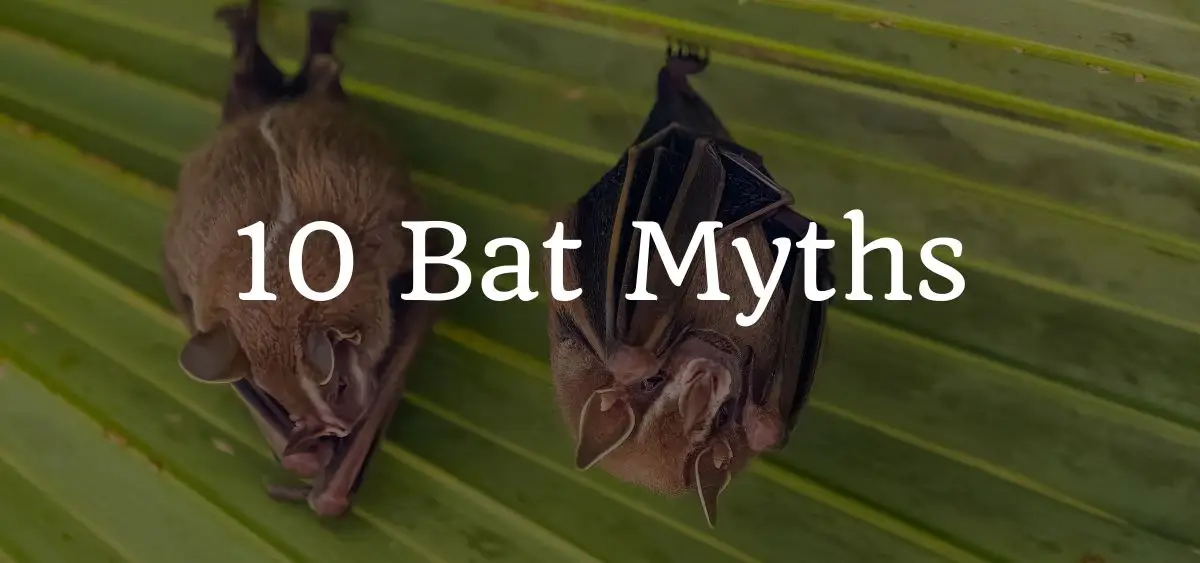

Bats have been part of human stories for a really long time. In movies and old tales, they’re often shown as scary or creepy. But in real life, bats are actually quite amazing. They’re the only mammals that can truly fly, and they quietly do a lot of important work for our environment. Still, many myths about bats continue to spread, like they attack people or are extremely dangerous.
If you’ve ever felt confused about bats or heard strange things about them, you’re definitely not alone. In this post, we’re going to clear up 10 common myths about bats using simple facts and real behavior insights. By the end, you’ll see that bats are much more helpful than harmful.
Myth 1: Bats Are Blind
You’ve probably heard the phrase “blind as a bat.” But that’s not true at all. Bats can actually see quite well. Some species, especially fruit bats, can even see better than humans in low light.
On top of that, many bats use echolocation—basically a natural sonar system—to move around and hunt in the dark. This helps them avoid obstacles easily. So no, bats aren’t flying blindly or getting stuck in people’s hair.
Myth 2: Bats Drink Blood
This is one of the most popular myths. Yes, vampire bats do exist—but there are only three species, and they live in Latin America. Even they mostly feed on animals like cattle, not humans. Most bats eat insects, fruits, nectar, or pollen. So the idea of bats flying around drinking human blood is just not true.
Myth 3: Bats Attack Humans
Many people think bats attack or fly into people’s hair. In reality, bats prefer to stay away from humans. If a bat flies near you, it’s usually chasing insects, not you. They are very skilled flyers and don’t randomly crash into people. If one looks confused, it might be sick—not aggressive.
Myth 4: All Bats Carry Rabies
This is a big fear, but the truth is that less than 1% of bats carry rabies. And even in those cases, it’s rare for it to spread to humans. If you ever get bitten or find a bat in your room, it’s smart to consult a doctor. But overall, bats are not a major danger.
Myth 5: Bats Are Just Flying Rats
Bats are often called flying mice, but they are completely different. They belong to their own group called “Chiroptera,” which means “hand-wing.”
Their wings are actually made from stretched skin over long finger bones. Also, bats live longer and reproduce slowly compared to rodents.
Myth 6: Bats Spread Dangerous Diseases
It’s true that some viruses are linked to bats, but direct transmission to humans is rare. Usually, other animals are involved in between. In fact, bats help control insects that spread diseases like dengue and malaria. So in many ways, they actually protect us.
Myth 7: Bats Are Useless
This couldn’t be more wrong. Bats play a huge role in nature. Insect-eating bats can eat thousands of bugs in one night, helping farmers protect crops. Fruit bats help pollinate plants like bananas, mangoes, and even cacao (which gives us chocolate). They also help forests grow by spreading seeds.
Myth 8: All Bats Live in Caves
Not all bats live in caves. Some stay in trees, under bridges, or even in buildings. Also, not all bats hibernate. Some travel long distances to find food. They are actually very adaptable creatures.
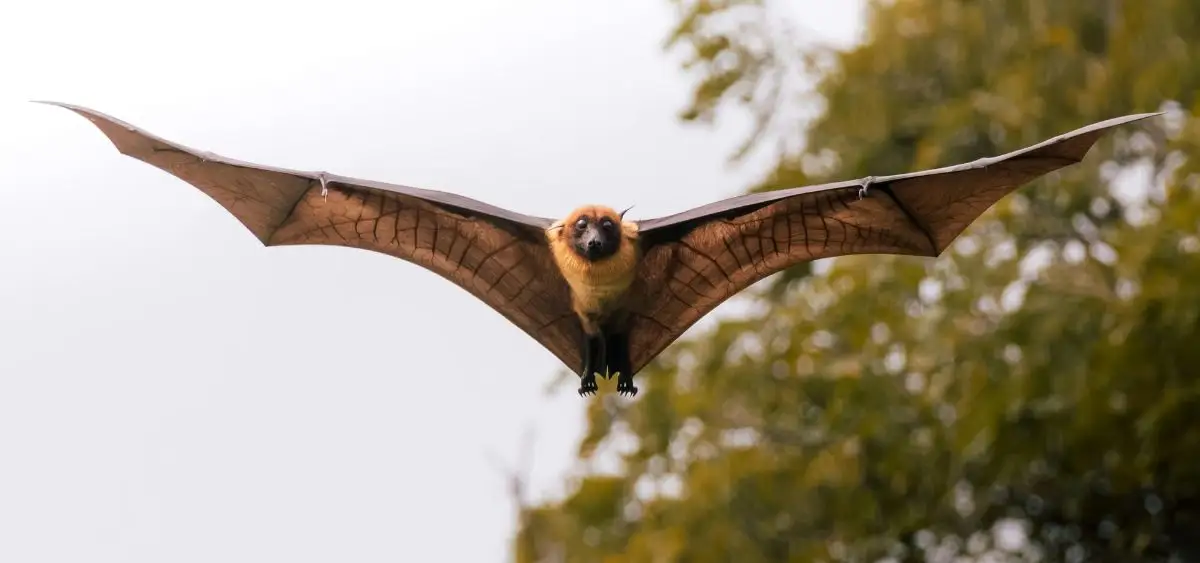
Myth 9: Flying Fox Bats Are Dangerous
Flying foxes are large bats, and their size can make them look scary. But they are gentle and mainly eat fruit. They help pollinate plants and spread seeds, which is very important for forests. They’re not aggressive at all.
Myth 10: Bats Should Be Removed or Killed
Some people think bats should not live near humans, but that’s not a good idea. Bats actually help us by controlling pests and supporting plant life. Instead of removing them, we should learn to live alongside them. Small steps like protecting their habitats can make a big difference.
Final Thoughts
Once you look past the myths, it’s clear that bats are not scary villains—they’re important for a healthy environment. From controlling insects to helping plants grow, they do a lot more for us than we realize. Next time you see a bat flying at dusk, don’t be afraid. Just remember—they’re doing their job in nature.
If any of these myths surprised you, share it with others. The more people understand bats, the better we can protect them.
Also, read:
Bat Appreciation Day 2026: Facts, Importance & Conservation!
This Animal Drinks Blood to Live, Say Hello to Vampire Bats!
8 Sustainable Food Choices That Help Protect the Environment
E-Waste Disposal: Silent Crisis Behind 72 Million Tonnes!
How to build a Sponge Garden to Fight Drought Naturally?
What to Plant in October for a Fresh Winter Harvest
How to Filter Water Naturally at Home Without a Machine?
FAQs
Why do bats fly close to humans sometimes?
Bats fly near people because they are chasing insects, not because they want to attack.
Do all bats carry rabies?
No, less than 1% of bats carry rabies. The chances of getting infected are very low.
Do bats get stuck in people’s hair?
No, this is just a myth. Bats are excellent flyers and can easily avoid people.
Are bats dangerous to humans?
Bats are generally not dangerous. They avoid people and only pose a risk if they are sick or handled improperly.
Do bats drink human blood?
No, almost all bats do not drink blood. Only a few vampire bats exist, and they mostly feed on animals—not humans.
Are bats really blind?
No, bats are not blind. They can see quite well, especially at night. Many also use echolocation to move around in the dark.