Penguins win hearts all over the world with their cute waddle and black-and-white, suit-like feathers. Every year, World Penguin Day is celebrated to appreciate these amazing seabirds. On April 25, 2026, people around the world will come together to admire penguins, talk about the dangers they face, and spread awareness about protecting them.
World Penguin Day is observed every year on April 25. The date is special because it matches the time when Adélie penguins begin their journey back toward Antarctica as winter gets closer. This day reminds us to learn more about penguins and support efforts to keep them safe.
World Penguin Day history
World Penguin Day began in 1972 in a very simple way. A man named Gerry Wallace in Alamogordo, California, marked the date on his wife Aleta’s calendar. Around the same time, researchers at Antarctica’s McMurdo Station noticed that this period matched the annual movement of Adélie penguins. Slowly, this small reminder turned into a global observance. Today, World Penguin Day is celebrated worldwide to raise awareness about penguins and the challenges they face in the wild.
World Penguin Day importance and significance
World Penguin Day is important because it helps people understand why penguins matter. These flightless birds are closely connected to the health of our oceans. When penguins struggle, it often means there are bigger problems, like warming seas and fewer fish. As climate change increases, the importance of World Penguin Day keeps growing. The day also teaches us how penguins support marine life by controlling prey populations and serving as food for animals like seals and whales.
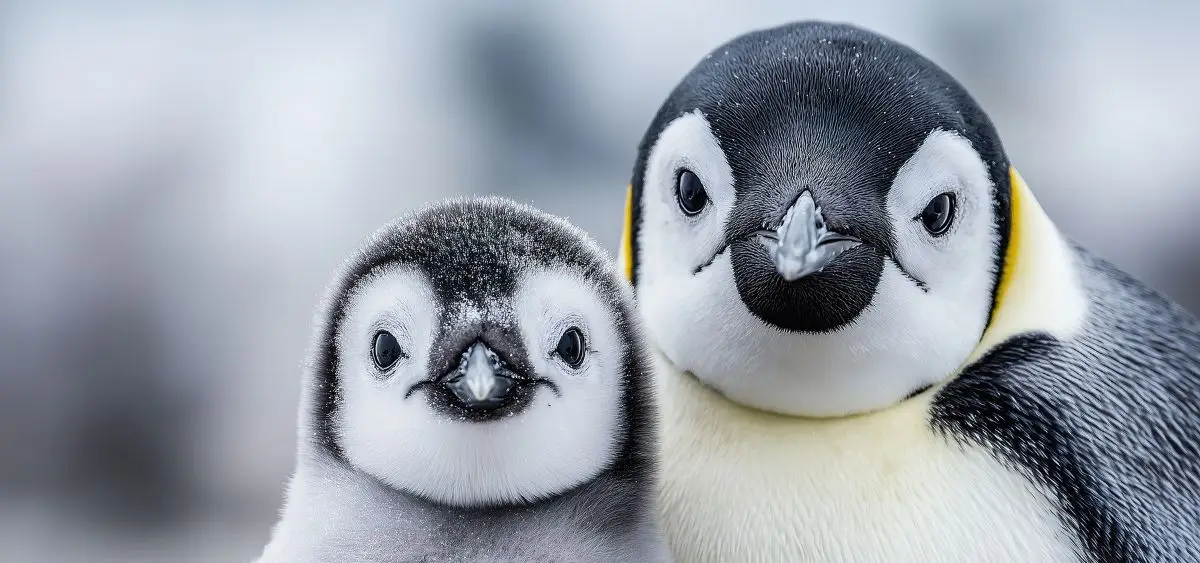
Why Penguins Are Important?
Penguins play an important role in keeping ocean life balanced, especially in Antarctica and cold coastal areas. They help control the number of fish and krill in the sea, which keeps the food chain healthy. When penguin populations are doing well, it usually means the ocean is healthy too. Penguins also remind people around the world why it’s important to protect polar regions and reduce the harm humans cause to wildlife.
Fun Facts About Penguins
Penguins are full of surprises! Here are some fun and interesting facts you’ll enjoy:
- All 18 penguin species live in the Southern Hemisphere. The Galápagos penguin is the only one that sometimes crosses the equator.
- Emperor penguins are the tallest, growing up to 1.3 meters and weighing around 40 kg. On the other hand, little (or fairy) penguins are just about 30 cm tall.
- Their black-and-white colors help them stay safe. From above, their dark backs blend into the deep water, and from below, their white bellies match the bright sky.
- Penguins don’t fly in the air, but they “fly” underwater using their flippers. Gentoo penguins are the fastest swimmers and can reach speeds of up to 36 km/h.
- To survive extreme cold, penguins huddle close together and take turns standing in the warm center.
- A group of penguins is called a raft in the water, but on land, it’s known as a colony or rookery.
- Emperor penguin fathers are incredibly dedicated, they balance their eggs on their feet for months during the freezing Antarctic winter.
Types of penguins
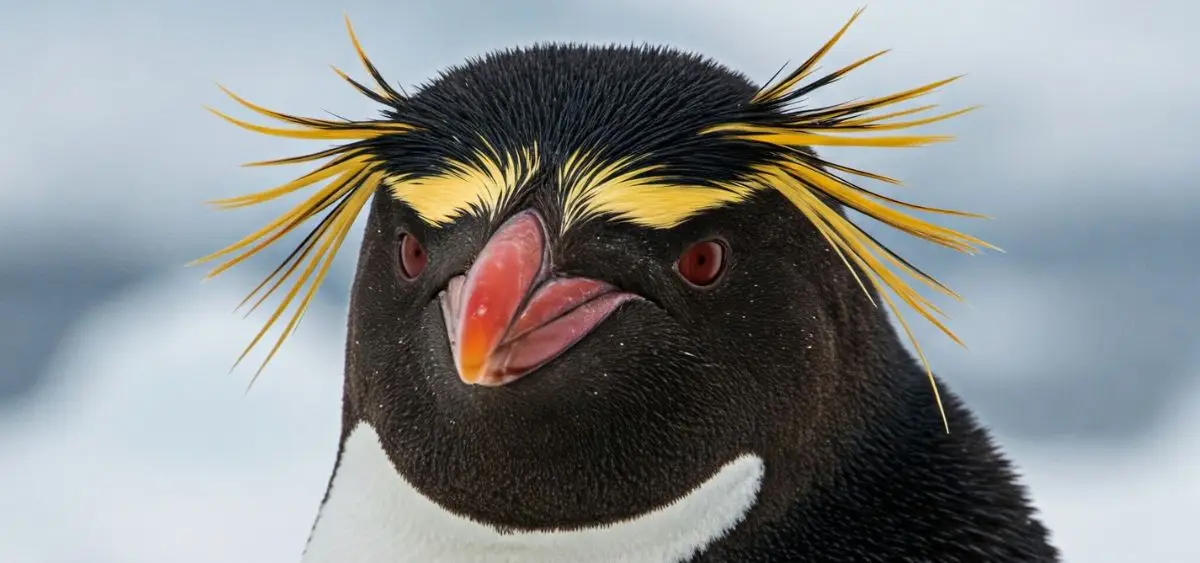
Penguins come in many different types, and each one is special in its own way. There are tall and powerful emperor and king penguins, fast-swimming gentoo penguins, and loud African penguins, often called jackass penguins because their calls sound like a donkey. You’ll also find the rare yellow-eyed penguins and the small Galápagos penguins, which are used to warmer weather. Every penguin species has adapted to where it lives, whether that’s freezing ice or rocky coastlines.
Penguin habitat and Antarctic wildlife
Penguins live in many parts of the world, not just Antarctica. They can be found on icy Antarctic shores, nearby islands, beaches in South America and Africa, the coasts of Australia and New Zealand, and even on the equator in the Galápagos Islands. Many penguins depend on sea ice to rest and raise their chicks. In Antarctica, penguins play a big role in the ecosystem. Their large colonies help enrich the land and support other wildlife.
Climate change and penguins
Climate change is becoming a serious problem for penguins. As oceans warm, sea ice melts and food becomes harder to find. Penguins are forced to swim farther to feed, which takes more energy and puts them at risk. Extreme weather is also happening more often, damaging nesting areas. In some places, penguins are breeding earlier because temperatures are rising. If climate change is not controlled, many penguin colonies could decline badly in the future.
Endangered Penguin Species
Many penguin species are struggling to survive today. Nearly half of all penguin species are now considered threatened, and most of them are seeing their numbers fall. African penguins have been hit the hardest—their population has dropped by about 97%, leaving fewer than 32,000 in the wild. Because of this sharp decline, they are now listed as critically endangered.
Emperor penguins are also facing serious trouble. Since 2009, their numbers have fallen by up to 22% in some regions. While they are currently labeled as near threatened, scientists warn that if climate change continues at the current pace, many emperor penguin colonies could disappear in the future.
Penguin conservation and protection efforts
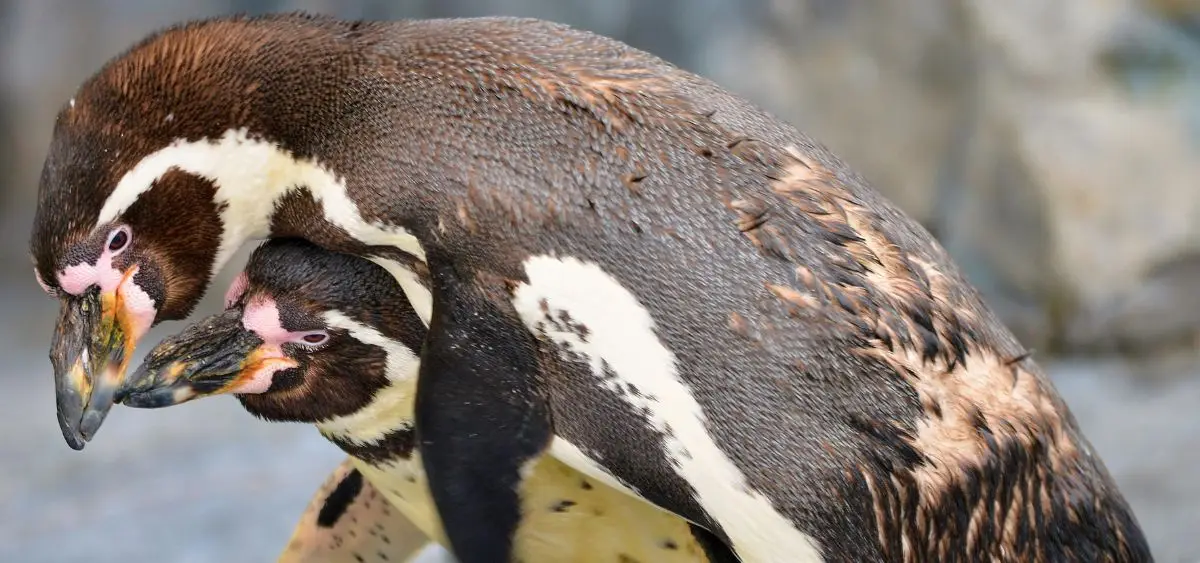
Penguin conservation is all about helping these birds survive and thrive. This includes rescuing and treating injured penguins, building artificial nests, controlling predators, and protecting important ocean areas. These efforts have helped a little, some penguin colonies have grown, but overall numbers are still going down. One big reason is the lack of food and too much fishing in their waters.
Protecting penguins also means making better choices, like supporting sustainable seafood and backing global efforts to fight climate change. Saving penguins starts with protecting their homes and reducing our carbon footprint.
World Penguin Day activities and celebration ideas
You can celebrate World Penguin Day 2026 in fun and meaningful ways:
- Color Antarctic pictures or make penguins and masks using craft paper or cardboard tubes.
- Host a small penguin quiz or watch documentaries about penguin life.
- Create a mini “icy world” using toy penguins.
- Talk about the dangers penguins face and simple actions we can take, like using less plastic or choosing sustainable fish.
- Share penguin facts with friends or join World Penguin Day events at zoos or wildlife centers.
Conclusion
World Penguin Day reminds us that penguins are more than just cute birds, they are an important part of our planet’s ocean ecosystem. Their struggle reflects bigger problems like climate change, overfishing, and pollution. While conservation efforts are helping, penguins still need stronger protection and long-term care to survive.
By learning about penguins and taking simple actions, such as reducing plastic use, supporting sustainable seafood, and spreading awareness, we can all play a role in protecting them. On World Penguin Day and beyond, let’s turn our care into action and work together to ensure penguins continue to waddle, swim, and thrive for generations to come.
Also, read: Vertical Farming: Growing Food Sustainably in Urban Areas
Also, read: Why This Clothing Recycling project Is Gaining Global Attention
Also, read: World Otter Day: How We Can Help These Cute Creatures
Also, read: Ecobricks: One Bottle, One Step Toward Ending Plastic Pollution
Also, read: Is Your Pet’s Carbon Footprint Bigger Than You Think?
Also, read: Top 5 Organic Cotton T-Shirts for Women! (Soft, Stylish & Sustainable)