
Imagine, Energy prices spike. Power grids strain under demand. Climate events disrupt supply chains. In moments like these, you need something steady and ready to step in. That something is biomass energy. It turns everyday organic matter into reliable power. And at its heart? The many types of biomass that make it all possible.
Biomass energy definition is straightforward. It comes from renewable organic materials—plants, animals, and their by-products, that once captured energy from the sun through photosynthesis. People convert this stored energy into heat, electricity, or fuels. Unlike fossil fuels dug from the ground, biomass renews itself through natural growth and waste cycles. This makes renewable biomass energy a smart backup when times get tough.
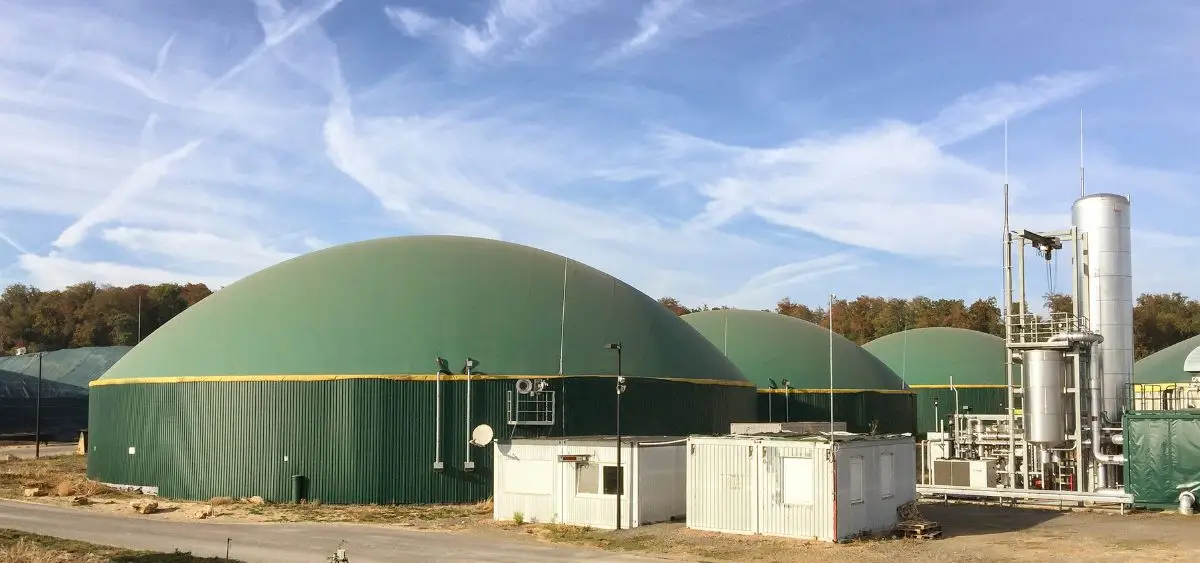
So, how does biomass energy work? Simple steps drive the process. First, collect organic feedstock. Then apply one of several methods. Burn it directly for heat and steam that spins turbines. Or let bacteria break it down in oxygen-free tanks to create biogas. Ferment sugars for liquid biofuels. Each path releases energy in usable forms. The result? Power that flows even when the sun hides or wind dies down.
Different Types of Biomass Fuel
Not all biomass looks the same. Experts sort it into clear categories based on where it comes from and how people process it. Understanding these biomass energy types helps you see why this resource fits so many needs worldwide.
1. Wood biomass energy
Wood biomass energy leads the pack. It includes forest residues like branches, tree tops, and stumps left after logging. Mills add sawdust, chips, bark, and shavings. People compress much of this into clean-burning pellets or chips. These fuels power homes, factories, and power plants with steady heat. Wood remains one of the oldest and most accessible forms of biomass fuel examples.

2. Agricultural biomass
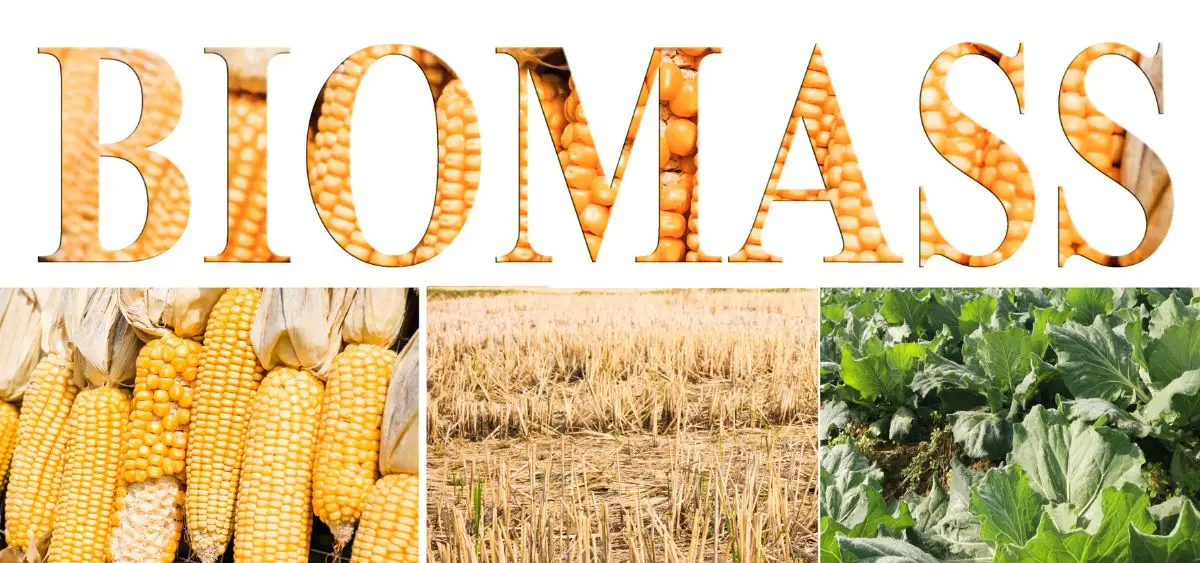
Agricultural biomass examples come straight from farms. Think crop residues, straw from wheat, stalks from corn, husks from rice, or bagasse from sugarcane. Dedicated energy crops like switchgrass, sorghum, or fast-growing poplar trees grow specifically for fuel on land that does not compete with food. Animal manure from livestock operations joins the mix too. These sources turn what farmers once left in fields into valuable energy.
3. Organic waste biomass
Organic waste biomass transforms trash into treasure. Food scraps from kitchens and restaurants, yard trimmings, paper, and textiles form sorted municipal solid waste. Wet waste, sewage sludge and industrial organics, feeds special processes. Landfills capture methane gas that bacteria naturally produce as waste decays. All these feedstocks keep landfills lighter and power plants running.
4. Other biomass energy
Other biomass energy examples include algae and aquatic plants. These fast-growing organisms yield oils for biodiesel or sugars for ethanol. They grow in ponds or tanks without taking up farmland. Biogas from controlled digestion of manure or food waste adds another flexible option.
Each type of biomass fuel brings its own strengths. Some burn directly. Others convert into gases or liquids. Together, they create a diverse portfolio of bioenergy sources that adapts to local conditions anywhere on the planet.
Biomass Energy Uses and Biomass Power Generation
People put biomass to work in everyday ways. Homes burn wood pellets in modern stoves for cozy heat. Industries use wood chips or agricultural residues to fire boilers and generate steam. Biomass power generation shines brightest at larger scales. Plants burn feedstock to produce electricity that feeds the grid. Many operate around the clock as baseload power, steady and dependable.
Transportation benefits too. Ethanol blends into gasoline. Biodiesel runs diesel engines. These biofuels cut reliance on petroleum without major engine changes. Even waste-to-energy facilities turn city garbage into electricity while shrinking landfill needs. From backyard heaters to utility-scale plants, biomass energy uses touch nearly every sector.
Biomass Energy Advantages
Why does biomass stand out as sustainable energy biomass? It offers clear wins. First, it stays renewable. Grow new crops or collect ongoing waste, and supply never runs out. Second, it reduces waste. Instead of rotting in dumps or burning openly, organic matter powers homes and factories.
Third, it creates jobs in rural areas harvesting, processing, and transporting feedstock keeps communities strong. Fourth, it provides reliable energy when solar panels sit idle at night or wind turbines slow. Recent global data shows bioenergy supplied 56 exajoules in 2023, its highest level yet and generated nearly 700 terawatt-hours of electricity in 2024, holding about 7 percent of all renewable power worldwide. Biomass power markets continue expanding steadily into 2026.
Most importantly, well-managed systems lower net carbon emissions compared with fossil fuels. Plants absorb CO₂ while growing, balancing much of what burns later.
Biomass Energy Disadvantages
No energy source is perfect. Biomass energy disadvantages deserve honest talk too. Collection and transport of bulky material can raise costs, especially over long distances. Some combustion releases particulates or gases if plants lack modern filters. Land-use questions arise when energy crops expand without careful planning.
Efficiency varies. Raw biomass holds less energy per ton than coal, so more volume moves to deliver the same power. Upfront costs for digesters or boilers exceed simple fossil-fuel setups in some cases. Still, technology improves every year, and sustainable practices shrink these drawbacks.
Biomass vs Fossil Fuels
Compare biomass vs fossil fuels side by side and differences stand out. Fossil fuels formed over millions of years and will eventually run low. Biomass renews yearly. Burning coal or oil adds ancient carbon to the air. Biomass recycles recent carbon that plants just pulled from the atmosphere.
Fossil fuels offer high energy density and established infrastructure. Biomass shines in waste reduction and local supply chains. In tough times, supply shocks or price spikes, biomass steps up as the backup that does not depend on distant mines or wells. Countries that blend both gain resilience while shifting toward cleaner options.
Why Types of Biomass Matter More Than Ever?
As 2026 unfolds, energy needs keep rising. Climate goals tighten. Supply chains face new tests. The different types of biomass deliver flexible, home-grown solutions. Wood biomass energy heats communities. Agricultural residues fuel industries. Organic waste biomass cleans cities while generating power.
You do not need to be an expert to appreciate this. Whether you heat your home with pellets, drive on ethanol blends, or simply support policies that back bioenergy, every choice adds up. Types of biomass prove that nature’s leftovers can light the way forward.
Ready to explore more? Look around your own region. Local farms, forests, or waste streams might already hold the next batch of renewable biomass energy. The backup you need in tough times could be closer than you think and it grows back every season.
Also, read:
Biomass Energy: A Complete Guide to the Future of Renewable Power
Hydropower Energy Explained: How Water Turns into Power
How an Eco-Friendly World Energy Mix Can Drive Sustainability Goals
Singapore Waste Disposal: How the Country Turns Trash Into Energy?
Renewable Energy: Powering a Sustainable Future
FAQs
What are the main types of biomass?
The main types of biomass include wood biomass, agricultural biomass, organic waste biomass, animal manure, and algae. These sources are used to produce heat, electricity, and biofuels.
Which type of biomass is most commonly used?
Wood biomass is the most commonly used type of biomass worldwide because it is easily available and widely used for heating and power generation.
What are examples of biomass fuels?
Examples of biomass fuels include wood, crop residues (like rice husk and straw), animal manure, food waste, and biofuels such as ethanol and biodiesel.
How is biomass converted into energy?
Biomass is converted into energy through processes like combustion (burning), anaerobic digestion (biogas production), and fermentation (biofuel production).
Is biomass a renewable energy source?
Yes, biomass is a renewable energy source because it comes from organic materials that can be naturally replenished over time.
How is biomass different from fossil fuels?
Biomass is renewable and produces lower net carbon emissions, while fossil fuels are non-renewable and release large amounts of stored carbon into the atmosphere.
Recent Important Blogs
-
 March 27, 2026
8 Sustainable Food Options That Are Good for You and Earth
Spread the loveImagine this, you sit down to eat something that tastes great, keeps you healthy, and also helps the planet in a small way.Read more -
March 26, 2026
Types of Biomass: Local Energy Solutions in Uncertain Times
Spread the loveImagine, Energy prices spike. Power grids strain under demand. Climate events disrupt supply chains. In moments like these, you need something steady andRead more -
March 25, 2026
Delhi Rain real or conspiracy? Why Bill Gates Is in the Headlines
Spread the loveHey, did you see the Delhi Rain updates today? A few days ago in March 2026, Delhi suddenly got heavy showers that feltRead more