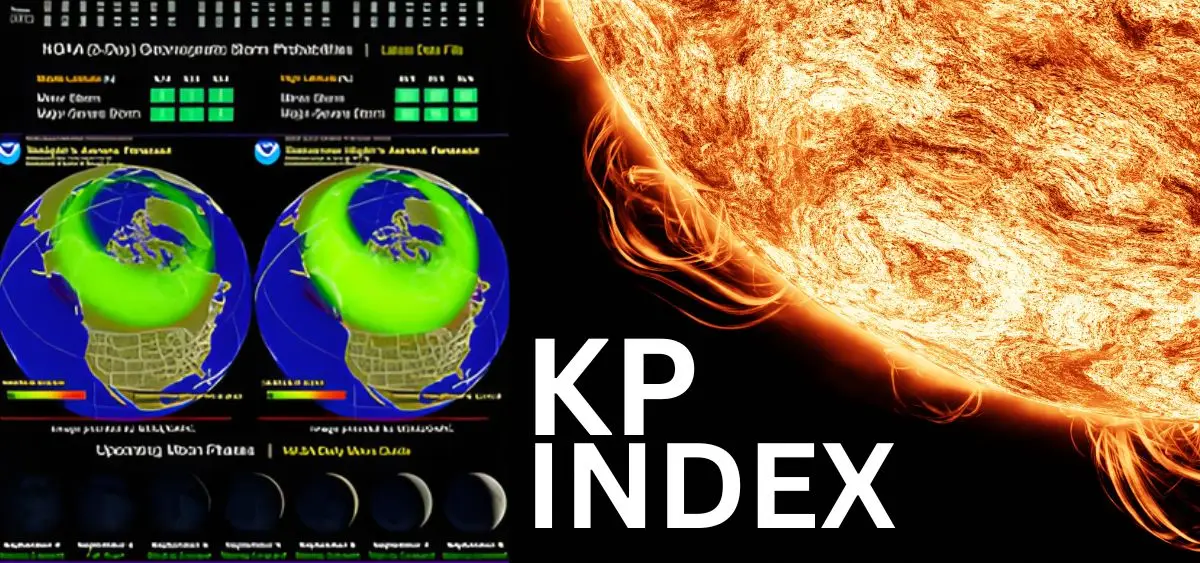

Hey! If you love looking at the night sky, you’ve probably dreamed of seeing those beautiful green northern lights, right? Or maybe you’ve seen alerts about solar storms and wondered what they actually mean. Well, there’s one simple thing that connects all of this, the Kp Index.
It might sound technical, but don’t worry. It’s actually just a number that tells you how active the Sun is and what’s happening around Earth right now. Whether you’re a beginner or already interested in space, this number can help you understand what’s going on in the sky.
In this guide, we’ll break everything down in the easiest way possible. You’ll learn what the Kp Index means, how the scale works, how to read it, and how it helps predict northern lights and solar storms. We’ll also talk about live updates, forecasts, and how you can use this information in real life, without any confusing terms.
Did you know?
A powerful solar storm in March 2026 pushed the Kp Index to 7, allowing people as far south as Germany and parts of the U.S. to witness the magical northern lights.
What is the Kp Index?
The Kp Index is short for “planetary K-index.” Scientists introduced it in 1949 to track how much the Sun is affecting Earth’s magnetic field. In simple words, think of it as a space weather score. The Sun constantly sends out energy and charged particles (called solar wind). When these particles reach Earth, they disturb our planet’s magnetic field a little. The Kp Index turns these disturbances into a number between 0 and 9:
- Low number = calm space weather
- High number = strong activity or storm
So, the higher the number, the more action is happening in the sky. You can even check this number live on websites that update it regularly. For example, during March 2026, the Kp Index reached 7, which is quite strong. Because of that, people in places where northern lights are usually not visible actually got to see them!
Understanding the Kp Index Scale (0 to 9)
The scale is very easy once you understand it:
- Kp 0–3: Very calm. Nothing much happening. Northern lights stay near the poles.
- Kp 4: Slightly active. You might see faint auroras in places like Iceland or Alaska.
- Kp 5: This is where it gets exciting. Northern lights can be seen in parts of the UK or northern US.
- Kp 6: Strong activity. Lights move further south.
- Kp 7: Very strong storm. Auroras can appear in places like Germany or parts of the US.
- Kp 8–9: Rare and powerful. Lights can reach much lower regions, even places that almost never see them.
Fun fact: High Kp levels don’t happen very often. That’s why whenever they do, sky watchers get super excited!
How to Read the Kp Index?
At first, charts might look confusing, but they’re actually simple.
- Each bar on the chart shows a 3-hour period
- Short bars = calm conditions
- Tall bars = strong activity
If you check the Kp Index during a normal day, it might stay around 2 or 3. But during a solar storm, it can jump quickly. If you’re just starting, remember this simple rule, If the Kp Index is 3 or more, and you are in a good location, it might be worth stepping outside and checking the sky.
Kp Index Forecast: Can You Predict Northern Lights?
Yes, you can actually get a good idea in advance. The Kp Index forecast shows what space weather might look like over the next 1 to 3 days, so you’re not just guessing. For example, after a strong solar event in March 2026, the forecast showed Kp levels between 3 and 6 for the next few days. That meant there was a decent chance of seeing auroras, especially in places where they are usually visible.
Here’s a simple way to use it:- If the forecast shows Kp 5 or more, it’s a good sign that something interesting might happen in the sky. That’s the time to stay alert, check conditions, and be ready. Today, many apps and websites share these forecasts. They use real data collected by space agencies, so the information is quite reliable for short-term planning. But don’t forget a few important things:
- The Kp Index shows global activity, not your exact location
- Local weather still matters a lot
- Clouds, fog, or pollution can block your view completely
So even if the Kp level is high, you still need clear, dark skies to actually see anything. In short, the Kp forecast helps you plan, but nature still has the final say.
Kp Index and Northern Lights: What’s the Connection?
The northern lights, also called auroras, are created when energy from the Sun reaches Earth and reacts with our atmosphere. The Sun constantly sends out tiny charged particles into space. When these particles travel toward Earth, they are guided by our planet’s magnetic field toward the polar regions. Once they enter the upper atmosphere, they collide with gases present in the air. These collisions release energy in the form of light, which we see as beautiful glowing colors in the sky. Different gases produce different colors:
- Oxygen usually creates green and sometimes red shades
- Nitrogen can produce blue, purple, or pink tones
This is why auroras often look like moving waves of green, purple, and red light dancing across the sky. Now, this is where the Kp Index becomes important. The Kp Index tells us how strong the solar activity is. When the number is low, these light displays stay close to the North and South Poles. But when the Kp Index increases, the activity becomes stronger and spreads over a larger area of Earth. In simple terms, The higher the Kp Index, the farther these lights can travel from the poles, meaning more people in different parts of the world get a chance to see them.
Kp Index vs Solar Storm
Many people think the Kp Index and a solar storm are the same thing, but they are actually different. Let’s understand it in a simple way. A solar storm starts on the Sun. It happens when the Sun releases a burst of energy or throws out charged particles into space. This can come from events like solar flares or coronal mass ejections. These particles travel through space and may reach Earth.
The Kp Index, on the other hand, is what we use to measure how much that solar activity is affecting our planet. When those particles hit Earth’s magnetic field, they disturb it. The Kp Index gives this disturbance a number from 0 to 9. So in simple terms:
- A solar storm is what happens on the Sun
- The Kp Index is how strongly Earth reacts to it
You can think of it like this:
- The solar storm is the trigger
- The Kp Index is the impact level on Earth
For example, if a strong solar storm reaches Earth, the Kp Index may rise to 6, 7, or even higher. This means stronger effects like brighter northern lights or possible disturbances in satellites and communication systems. Understanding this difference helps you read space weather updates more clearly and know what’s actually happening, from the Sun all the way to Earth.

Why the Kp Index Is Important in Real Life
The Kp Index is not only about seeing beautiful northern lights. It actually plays a big role in our daily life, even if we don’t notice it. When the Sun becomes very active, it sends strong bursts of energy toward Earth. This can disturb our planet’s magnetic field, and that can affect many technologies we depend on every day. For example:
- Satellites in space can stop working properly or get damaged
- GPS systems may give wrong locations or lose accuracy
- Power grids can face disruptions or even blackouts in extreme cases
- Communication systems like radio signals and internet connections can become unstable
Because of these risks, experts constantly monitor the Kp Index. It helps them understand how strong the impact from the Sun might be and take early precautions. For most of us, a high Kp Index means a chance to enjoy a stunning light show in the sky. But for scientists, engineers, and industries, it’s an important warning signal to protect important systems and keep everything running smoothly.
Easy Tips for Beginners
If you’re new to tracking the Kp Index and want to see northern lights, don’t worry, it’s actually quite simple to get started. Just follow these easy habits: First, try to check the Kp Index every evening. It only takes a few seconds, and doing this regularly will help you understand when the sky is more active. Over time, you’ll start noticing patterns.
Next, pay attention when the number goes above 4 or 5. This usually means there’s a good chance of stronger activity, which increases your chances of seeing auroras, especially if you’re in the right location. It’s also a good idea to use aurora tracking apps or websites. These tools give you live updates and alerts, so you don’t have to keep checking again and again. They make things much easier, especially for beginners.
When you’re ready to go outside, make sure you choose a dark place away from city lights. Bright lights from cities can block your view, even if the aurora is strong. The darker the sky, the better your chances. Finally, always check the weather before you go. Even if the Kp Index is high, clouds can ruin the view. Clear skies are just as important as solar activity.
A Simple Thought About Our Earth
It’s amazing how closely we watch space and track things like solar storms and space weather. But at the same time, we should also pay attention to what’s happening here on Earth, especially how we handle our electronic devices.
When solar activity is strong, it can sometimes affect satellites and electronics. And when these devices stop working, they often turn into e-waste. If we don’t dispose of this waste properly, it can harm our environment.
So while you enjoy watching the sky and learning about space, take a moment to think about the planet you’re standing on too. Small actions like recycling electronics can make a big difference.
Conclusion
By now, you have a clear and simple understanding of the Kp Index. You’ve learned- What the Kp Index actually means, How the scale from 0 to 9 works, How to read and understand it easily, How it helps you predict northern lights
Next time you see a clear night sky, don’t just scroll past it. Take a second to check the Kp Index, step outside, and look up. You never know, there might be something beautiful waiting for you. Save this guide so you can come back to it anytime. Share it with your friends who love the sky just like you. Because the truth is, the sky always has something special to offer, you just need to know the right time to look.
Also, read:
- E-Waste Disposal: Silent Crisis Behind 72 Million Tonnes!
- Aurora Borealis May Surprise Northwest Skies Soon!
- Is Your Pet’s Carbon Footprint Bigger Than You Think?
- Paris Climate Agreement: A Simple Guide to Saving Our Planet
- The Dark Truth of Animal Cruelty Behind Factory Farming!
FAQs
What is the Kp Index?
The Kp Index is a scale from 0 to 9 that shows how strong Earth’s magnetic field is disturbed by solar activity. It helps measure space weather and geomagnetic storms.
What is a normal Kp Index level?
A normal Kp Index is between 0 and 3. This means space weather is calm and there is little or no geomagnetic activity.
What Kp Index is needed to see auroras?
Usually, a Kp Index of 5 or higher is needed to see auroras in many regions. The higher the Kp Index, the better the chances.
What happens when the Kp Index is high?
A high Kp Index means strong geomagnetic storms. This can cause bright auroras, GPS issues, radio signal problems, and satellite disturbances.
How is the Kp Index measured?
The Kp Index is measured using data from ground-based magnetic observatories around the world that track changes in Earth’s magnetic field.
What is the highest Kp Index ever recorded?
The Kp Index scale goes up to 9, which represents an extreme geomagnetic storm with very strong space weather effects.
How often is the Kp Index updated?
The Kp Index is updated every 3 hours based on new space weather data collected globally.
Recent Popular Blogs
-
 March 24, 2026
Kp Index for Beginners: How to Predict Aurora & Space Storms Easily
Spread the loveHey! If you love looking at the night sky, you’ve probably dreamed of seeing those beautiful green northern lights, right? Or maybe you’veRead more -
March 24, 2026
E-Waste Disposal 2026: A Global Crisis Reaching 72 Million Tonnes
Spread the loveHave you ever paused before tossing that cracked smartphone or dusty laptop into the trash? In our fast-paced world of constant upgrades, thoseRead more -
March 19, 2026
Don’t Miss This! Aurora Borealis Could Be Visible in the Northwest!
Spread the loveHey sky lovers! Imagine stepping outside at night and suddenly the sky comes alive with flowing waves of green, pink, and purple. SoundsRead more