April 23 is International Pallas’s Cat Day, a day to celebrate one of the most unique and lovable wild cats in the world. Also called Pallas Cat Day, this day focuses on the Pallas’s cat, also known as the Manul. This fluffy wild cat is famous for its round face and “grumpy” look, which has made it popular across the globe. Known as the Manul cat or steppe cat, this special animal deserves our care and protection. In 2026, people around the world will again celebrate #InternationalPallasCatDay, #PallasCatDay, #PallasCat, and #Manul by sharing stories, spreading awareness, and supporting its future.
History of International Pallas’s Cat Day
International Pallas’s Cat Day started around 2019 to bring attention to this rare wild cat and the problems it faces. It is observed every year on April 23 as a reminder to spread awareness. People celebrate the day by learning about the cat, sharing photos and videos, and supporting conservation efforts. By 2026, the day has grown worldwide, with online campaigns, events, and community actions helping protect the Pallas’s cat and its natural habitat.
About Pallas’s Cat
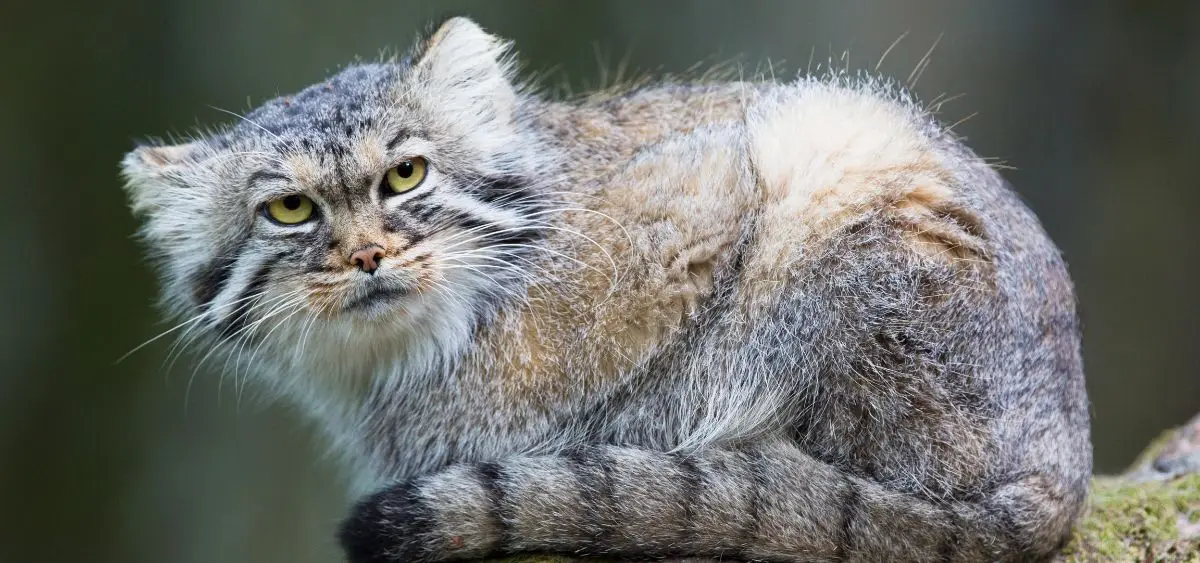
The Pallas’s cat, also called the Manul, is one of the most unique-looking wild cats out there. It’s about the size of a regular house cat, but looks much rounder and fluffier. With short legs, a flat face, and small, low-set ears, it always seems a little annoyed, earning it nicknames like the angriest cat or the original grumpy cat.
What really makes this cat stand out is its super thick fur, one of the densest coats in the wild cat world. This fluffy fur helps it survive freezing cold winds and high mountain weather. Its coat is usually gray or yellowish with soft stripes and dark markings, which helps it blend perfectly into rocky landscapes. Big yellow eyes with round pupils give it an intense, almost owl-like stare.
Despite its cute and chubby look, the Pallas’s cat is a loner. It lives in tough, cold places and survives by staying hidden and using camouflage, rather than running fast or climbing trees.
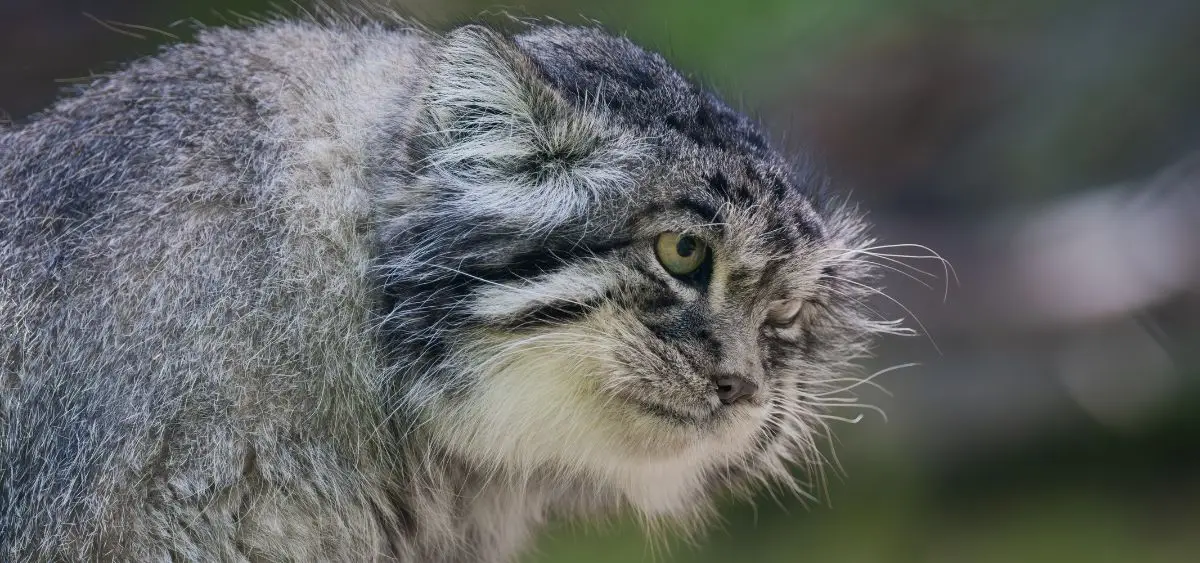
Amazing Facts about Pallas’s Cat
The Pallas’s cat is full of surprises, which is what makes it so fascinating:
- Its thick, fluffy tail acts like a built-in blanket, wrapping around its body to stay warm on freezing nights.
- Its mating call doesn’t sound like a typical cat at all, it’s more like a mix of a small dog’s bark and an owl’s hoot.
- More than half of its diet comes from pikas. The cat either quietly stalks them across rocky ground or waits patiently near their burrows.
- Kittens are born with strong stripes that slowly fade as they grow up. By four to five months, they’re ready to survive on their own.
- The manul is great at climbing rocky cliffs and often hides in old marmot or fox burrows to stay safe from predators like eagles and foxes.
- Deep snow is a problem for them, anything over about 10 centimeters makes it hard to move around.
- In zoos, some Pallas’s cats have lived up to 12 years. In the wild, life is much tougher, with many kittens not surviving and adults often dying during harsh winters.
All these unique traits help the Pallas’s cat survive in cold, dry grasslands and high mountain plateaus across Central Asia, from Mongolia and China to Russia, Iran, and parts of the Himalayas.
Why Protecting the Pallas’s Cat Really Matters?
Even though the Pallas’s cat is listed as “Least Concern” on the IUCN Red List, that doesn’t mean it’s safe everywhere. In many places, its numbers are slowly going down. Experts estimate there are about 58,000 Pallas’s cats worldwide, but they live very spread out, usually only 4 to 8 cats in an area as large as 100 square kilometers. Most of them are found in Mongolia and Russia, but their habitats are becoming more broken and disconnected.
The biggest problems come from human activities. Overgrazing by livestock, mining, road construction, and farming are shrinking the open grasslands these cats depend on. Domestic dogs sometimes hunt them, and poison used to kill rodents also wipes out the Pallas’s cat’s main food. On top of that, some cats are still hunted for fur, traditional medicine, or sold illegally as pets. Climate change adds another challenge, as it may make some areas unsuitable for them in the future.
This is where conservation groups step in. Organizations like the Pallas’s Cat International Conservation Alliance (PICA) work with researchers, zoos, and local communities to protect this species. Since 2016, they’ve supported field research, camera-trap surveys, education programs, and small conservation projects across the cat’s natural range. The Pallas’s Cat Working Group also brings scientists together to share knowledge and create action plans.
Protecting the Pallas’s cat doesn’t just help one animal, it helps the entire steppe ecosystem. These cats play an important role by keeping rodent populations in balance, which supports healthier grasslands for many other species too.
How to Celebrate International Pallas’s Cat Day 2026
Celebrating International Pallas’s Cat Day 2026 is fun and easy! Share your favorite Pallas cat memes, pictures, or fun facts on social media using hashtags like #InternationalPallasCatDay, #PallasCatDay, #PallasCat, and #Manul. Watch videos of these fluffy wildcats in their natural habitat, or learn more about their unique behavior.
You can also support conservation by donating to organizations that protect Pallas’s cats, fund surveys, or educate local communities. If you like hands-on activities, join citizen science projects like tagging camera-trap images.
Want something creative? Host a small gathering to talk about the Pallas cat’s challenges, or make artwork featuring this adorable “grumpy” cat. Zoos and wildlife groups often hold online events or displays to celebrate, and every little action helps protect these rare wildcats.
The Pallas’s cat may look grumpy, but it deserves our care. This 2026, let’s celebrate its charm, enjoy its quirks, and take steps to ensure these unique cats continue to roam the steppes for generations to come.
Also, read: How to Reduce Industry Air Pollution with Simple Steps!
Also, read: International Forestry Day 2026: History, Importance, and Facts!
Also, read: World Hippopotamus Day 2026 – 15 February: History and Fun facts!
Also, read: What Is Soil Aeration? How to Aerate Soil Like a Pro?
Also, read: Nuclear Device Himalayas: Nanda Devi Plutonium Mystery!
Also, read: Meet Goliath Birdeater: The Monster Spider of the Amazon!