Hey nature lovers! imagine, you’re walking near a forest, or maybe even passing through the edge of a busy town, and suddenly you spot a sleek, spotted big cat moving quietly through the shadows. That’s a leopard for you. Mysterious, powerful, and surprisingly adaptable. These incredible animals have a way of stealing hearts, especially in wildlife photos and videos.
As we get ready for International Leopard Day 2026 on May 3, let’s take a relaxed, easy look at why this day matters so much. It falls on a Sunday, which makes it perfect for nature walks, sharing posts online, or simply learning something new. We’ll talk about where this day came from, why leopards need our attention, and some amazing facts that might make you admire them even more.
The Story Behind International Leopard Day
Leopards have been around for thousands of years, but giving them a special day is a fairly new idea. International Leopard Day was officially launched in 2023, after the first Global Leopard Conference. At this event, wildlife experts, researchers, and conservationists came together to focus on Panthera pardus, the scientific name for leopards.
One big takeaway from the conference was- leopards are often ignored. Tigers and lions usually get the spotlight, while leopards quietly struggle in the background. Even though they live across Africa and Asia and adapt well to different environments, their numbers are dropping fast.
That’s why this day was created, to bring leopards into the conversation. Since then, International Leopard Day has grown into a global awareness movement. By 2026, it’s no longer just for scientists or wildlife groups. It’s for everyone who cares about nature, animals, and the balance of our planet. Think of it like a celebration, but instead of balloons and cake, the focus is on protecting leopards and securing their future.
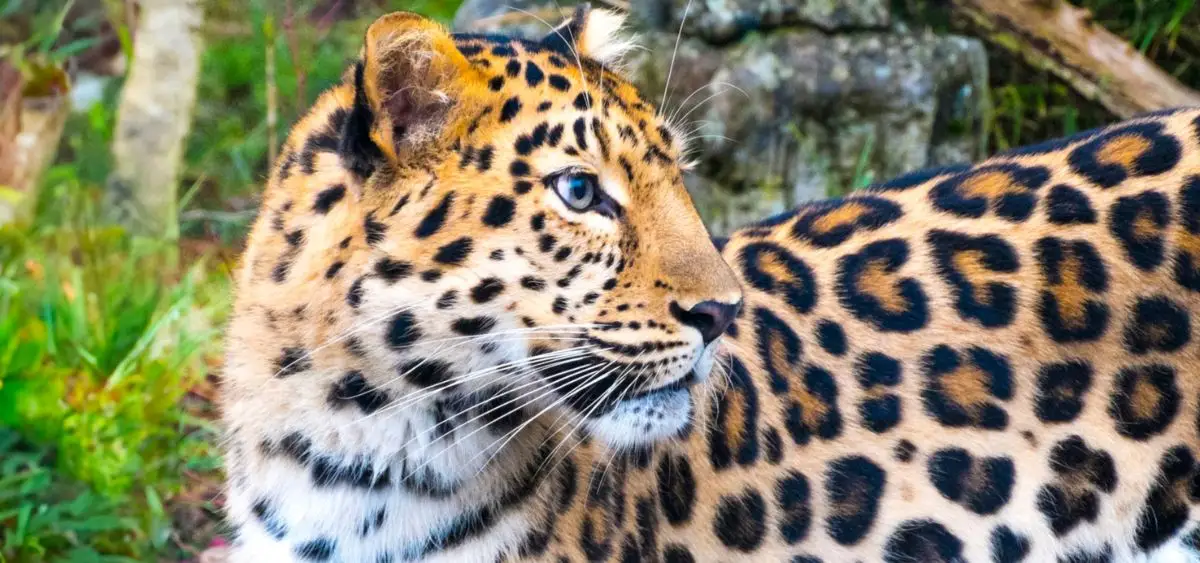
Why International Leopard Day Is So Important?
Life in the wild isn’t easy for leopards. Even though they’re strong and smart, they face many serious threats. Conservation experts list them as vulnerable, which means they could become endangered if things don’t change.
One of the biggest problems is habitat loss. Forests and grasslands are being cleared for farming, cities, and roads. As leopards lose their homes, they’re pushed closer to human areas. This leads to human–wildlife conflict, especially when leopards attack livestock in places like India, Nepal, or parts of Africa.
Climate change is another challenge. As temperatures rise, leopards are forced into higher areas, sometimes sharing space with snow leopards. This creates competition for food and territory. On top of that, diseases like canine distemper, often spread by stray dogs, can be deadly for them.
Then there’s illegal wildlife trade. Leopard skins, bones, and claws are still sold, making them one of the most trafficked big cats in the world. International Leopard Day helps bring all these issues into the spotlight. It reminds us that saving leopards isn’t just about one animal. Leopards are top predators. They keep prey populations balanced and help ecosystems stay healthy. When leopards disappear, nature suffers too.
Fun and Fascinating Leopard Facts
Leopards are way more than just beautiful spotted cats. They’re full of surprises. For starters, they’re incredibly fast. Leopards can run up to 58 km per hour, faster than most cars in city traffic. They’re also amazing jumpers, able to leap about 6 meters in one jump.
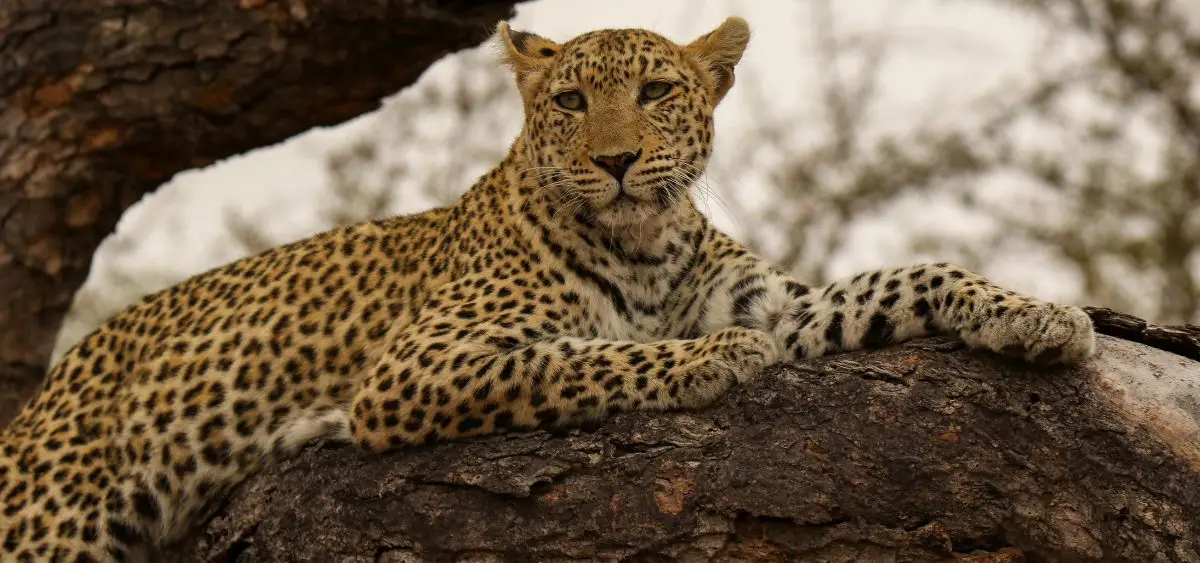
Not all leopards look the same either. Some are black, known as melanistic leopards. Their spots are still there, just harder to see. This dark color helps them blend into shadows, especially in dense forests. Leopards are strong climbers too. They often drag heavy prey, sometimes bigger than themselves, up into trees. This keeps their meal safe from other predators like hyenas or lions.
They usually live alone and communicate through growls, purrs, scratch marks, and scent signals. Female leopards raise their cubs on their own, teaching them how to hunt and survive until they’re ready to live independently. From African savannas to Indian forests and even near cities, leopards prove again and again how adaptable they are.
How You Can Help Protect Leopards?
The good news? You don’t have to be a wildlife expert to help. On International Leopard Day 2026, start by spreading awareness. Share posts, facts, or photos using #InternationalLeopardDay. Talk about why leopards matter and what threatens them.
You can also support wildlife organizations that work on leopard conservation. Many of them focus on stopping poaching, protecting habitats, and helping local communities live safely alongside leopards. Schools can organize awareness sessions. Communities can host nature walks or photo exhibitions. Even simple conversations help, because awareness is the first step toward change.
Conclusion
International Leopard Day is more than just a date on the calendar. It’s a reminder that leopards need us, now more than ever. These quiet, powerful animals have survived for centuries, but they can’t do it alone anymore.
Whether you love wildlife photography, enjoy learning animal facts, or simply care about nature, this day is for you. Let’s make 2026 a strong year for leopard conservation. Together, we can make sure leopards continue to roam our forests, mountains, and wild spaces for generations to come.
Also, read: What Are Peatlands and Why They Matter More Than Forests?
Also, read: Pyrolysis: Meaning, Working Process, and Applications!
Also, read: This Animal Drinks Blood to Live, Say Hello to Vampire Bats!
Also, read: Pygmy Marmoset: The World’s Tiniest Monkey!
Also, read: Himalayan Red Fox Spotted Near Parashar Lake in Mandi
Also, read: Bamboo: The Future of Sustainable Building Materials!