
Have you ever thought about what happens to banana plants after the fruit is picked? Most of the time, the thick stems are thrown away. But those stems are not just waste, they contain something valuable called banana fibre.
Banana fibre is a natural material made from the leftover parts of the plant. Instead of letting it go to waste, it can be turned into useful and even stylish products. In a world where more people care about the environment, banana fibre is becoming a popular plant-based fabric choice.
It is known for being strong, soft, and eco-friendly. In this article, we’ll explore how banana fibre is made, its benefits, and how it is used in fashion. By the end, you’ll understand why many people see it as an exciting vegan fabric alternative.
Understanding Banana Fibre
Banana fibre comes from the stem of the banana plant. Farmers usually grow banana plants for their fruit, but after harvesting the bananas, the stem is often left behind. Instead of throwing it away, the stem can be used to make fibre.
The fibre is taken from different layers of the stem. The outer layer is thicker and rough, while the inner layer is much softer and smoother. This softer part can even feel slightly silky, which makes banana fibre suitable for making fabric and other useful products.
Banana fibre is a natural plant fibre, similar to fibres like flax and hemp fabrics. It contains a high amount of cellulose, which makes it strong and long-lasting. Banana plants grow easily in tropical countries like India, where millions of tons of bananas are produced every year. This means there is plenty of raw material available without needing to grow extra crops just for fabric.
In simple words, banana fibre turns plant waste into something valuable. It supports sustainable fashion because it is natural, biodegradable, and completely vegan. No animals are harmed in the process. Wearing banana fibre clothing is not only comfortable but also better for the environment.
How Banana Fiber are made?
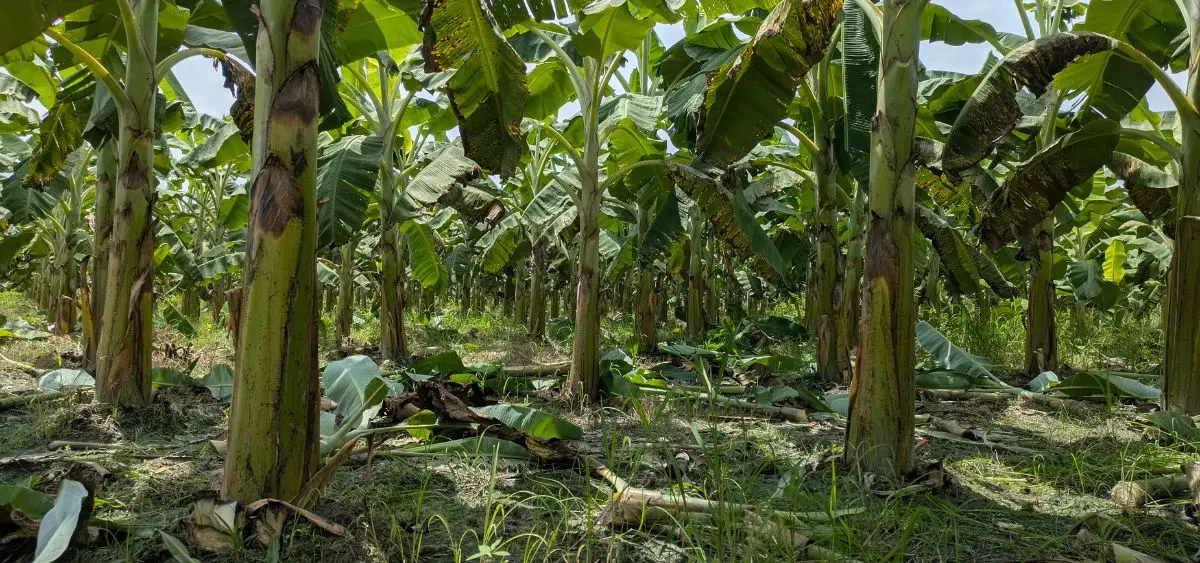
The journey of banana fibre begins after bananas are harvested. Farmers cut the thick banana stems (called pseudostems), which are usually thrown away as waste. Instead of wasting them, workers turn them into useful fibre.
First, the outer layers of the stem are removed. Then, the soft inner part is gently scraped to pull out long, strong fibres. In many places, this is done by hand using simple tools and wooden boards to keep the fibres clean and smooth. Sometimes, the fibres are soaked in water to make them softer and easier to separate.
After extraction, the fibres are spread out under the sun to dry. With proper sunlight, drying can take around five hours. When processed carefully, the inner fibres look bright and naturally shiny.
In some countries like Brazil, machines are used to speed up the process and increase production. However, many artisans still prefer manual methods because they offer better control over quality.
Once fully dry, the fibres are spun into yarn. This yarn can then be woven into fabric or blended with other materials. Today, modern innovations, like those seen in Taiwan, mix banana fibre yarn with cotton to create products such as socks and even plant-based leather alternatives.
One of the best things about this process is that it often uses agricultural waste and doesn’t require extra farmland. In many cases, it also avoids harsh chemicals. This makes banana fibre a smart and sustainable way to turn waste into wearable fashion.
After bananas are harvested, workers cut the thick stem of the plant. This stem is usually treated as waste, but it is the main source of banana fibre.
The outer leaf layers are removed, and the soft inner material (pith) is scraped away to collect clean fibres.
Fibres are removed from different layers of the stem.
- The outer layer gives rough and strong fibre.
- The inner layer gives softer and smoother fibre.
The extracted fibres are cleaned properly to remove moisture and impurities. Then they are dried naturally.
Once dried, the fibres are processed and spun into yarn. The softer fibres are mainly used for making fabric.
The yarn is woven into textile or blended with other fabrics like cotton. It can also be used to make products such as socks, bags, or vegan leather.
The final product is natural, biodegradable, and completely vegan — turning plant waste into eco-friendly fabric.
Key Benefits of Banana Fibre: Strong Yet Comfortable
Banana fibre offers much more than you might expect. It absorbs moisture easily and even has natural fire-resistant qualities. Because it is lightweight, it feels comfortable when used in clothing. When treated and used in blended materials, it can increase strength significantly.
Unlike synthetic fabrics, banana fibre is biodegradable. This means it naturally breaks down over time without harming the environment. It is also stronger than cotton, making it a durable option for textiles. On top of that, it has natural antibacterial properties, which makes it suitable for daily wear.
For people who prefer vegan fabrics, banana fibre is a great choice since it contains no animal-based materials. It allows air to pass through and helps absorb sweat, keeping the body cool in warm weather. When mixed with other fibres, it becomes less stiff and more flexible. Overall, banana fibre is a smart balance of durability and comfort, strong enough to last, yet soft enough to wear every day.
Everyday Uses: From Banana Fibre Clothing to Home Products
Banana fibre is used in many everyday products. In fashion, it is turned into clothes like shirts, dresses, scarves, and even lightweight pants. In India, skilled artisans weave beautiful banana fibre sarees with detailed designs.
But its use is not limited to clothing. Banana fibre is also made into bags, mats, ropes, and other handmade items. Home décor products like lampshades and photo frames are also created from it, giving a natural and earthy look. Banana fibre paper is sometimes used for packaging and other special paper products.
In some countries, including Uganda, designers are using banana plant waste to create stylish and modern outfits. The fibre is also strong enough for industrial purposes. It can be mixed with other materials to make durable products, including parts used in vehicles and other equipment. Because it is eco-friendly, strong, and versatile, banana fibre products are becoming popular around the world.
Banana Fibre vs Cotton: A Green Showdown
How does banana fibre stack up against cotton? Cotton needs lots of water, about 10,000 liters per kilogram. Banana fibre saves that amount by using waste stems. It absorbs better and stays stable in supply.
Strength-wise, banana wins. But cotton feels familiar and stretches more. Banana fibre vegan fabric appeals to those avoiding animal-derived options. While cotton dominates markets, banana offers a sustainable twist. In blends, they complement each other nicely.
Price varies. High-quality banana fibre costs more due to processing. Yet, as demand grows in 2026, costs may drop with innovations.
The Environmental Impact: Why Banana Fibre Sustainability Is Important
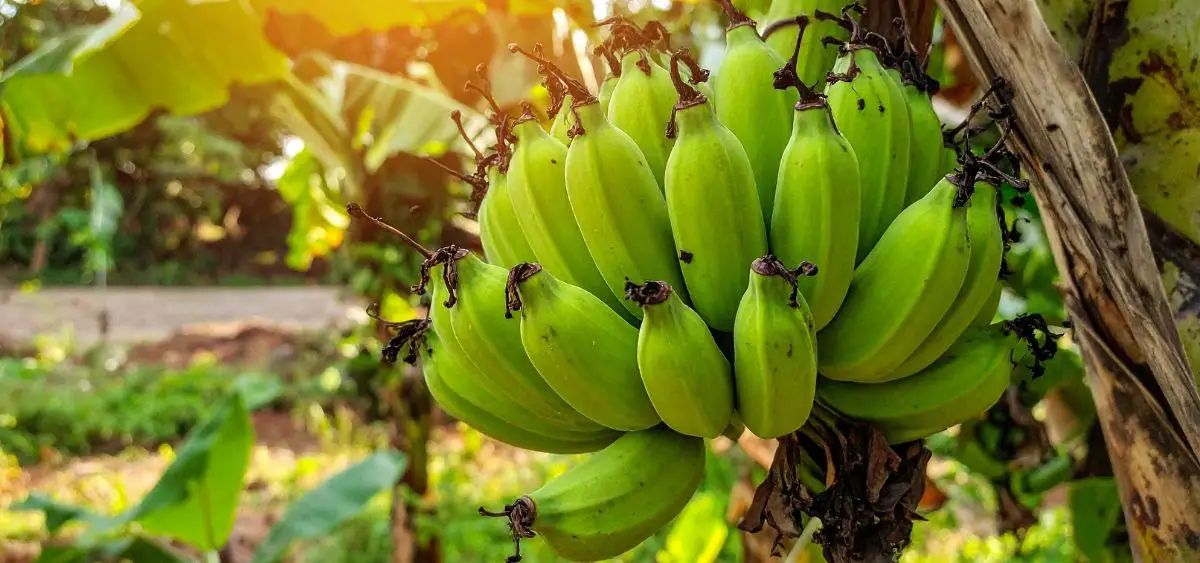
Banana fibre is good for the planet in many ways. Every year, millions of tons of banana plants are grown around the world. After harvesting the fruit, the stems are usually thrown away. Banana fibre uses this leftover plant waste instead of letting it rot and produce harmful gases like methane.
Banana plants can also grow without heavy use of chemicals, especially in natural farming systems. This helps protect soil health and supports more plants, insects, and wildlife.
Another big benefit is that banana fibre is biodegradable. It breaks down naturally, which means less waste in landfills. As an eco-friendly fabric, it also reduces the need for synthetic materials that can harm the environment.
In many developing countries, banana fibre production creates job opportunities for local communities. Some companies even support farmers by buying back the fibre, giving them extra income. Overall, banana fibre has a low environmental impact and offers a sustainable alternative for the future of fashion and textiles.
Is Banana Fibre the Softest Vegan Fabric?
So, is banana fibre really the softest vegan fabric? The fibres taken from the inner part of the banana plant can feel very smooth, sometimes even similar to silk. They feel soft and comfortable on the skin.
But whether it is the softest depends on how the fibre is processed and woven. When it is blended with other fabrics, it can feel even softer and more flexible.
If we compare it to other plant-based fabrics like bamboo or hemp, banana fibre performs quite well. It may not always be the number one softest fabric out there, but it offers a great balance of softness, durability, and eco-friendly benefits. That combination is what makes it special and a strong choice for sustainable fashion.
Conclusion: Why You Should Try Banana Fibre
Banana fibre turns leftover banana plant waste into something useful and beautiful. It gives us a natural and vegan option for clothing and other products. From the way it’s made to the many items created from it, banana fibre keeps us closer to nature.
As we deal with climate change and environmental problems in 2026, small choices can make a big difference. Choosing sustainable fabrics like banana fibre is one simple step.
Why not try a banana fibre product for yourself? You may love how it feels, and the story behind it too. What do you think about banana fibre? Tell us in the comments!
FAQs
Is banana fibre a vegan fabric?
Yes, banana fibre is 100% plant-based, so it is considered a vegan fabric.
Is banana fibre soft to wear?
Banana fibre can be soft, especially when blended with cotton or other natural fibres. Its texture depends on how it is processed.
Is banana fibre stronger than cotton?
Banana fibre is known for its strength and durability. In some cases, it can be stronger than cotton.
What products are made from banana fibre?
Banana fibre is used to make clothes, sarees, bags, mats, ropes, paper, and even home décor items.
Is banana fibre expensive?
The price depends on the product and quality. Handmade or designer banana fibre products may cost more.
Is banana fibre comfortable in hot weather?
Yes, banana fibre fabric is breathable and can be comfortable in warm climates.
Can banana fibre replace synthetic fabrics?
It can be a sustainable alternative in many cases, but it may not fully replace synthetic fabrics for all uses.