
Every year on 22 May, people around the world come together to celebrate the amazing variety of life on Earth. This special day is called the International Day for Biological Diversity. It reminds us that humans, animals, plants, forests, oceans, and even tiny microorganisms are all connected. In 2026, once again, countries across the globe will mark this important occasion and think seriously about how we can protect the natural world that supports us all.
How This Day Started?
The story of this day began in 1992. That year, leaders from many countries met in Nairobi and agreed on an important environmental agreement called the Convention on Biological Diversity. This agreement was created to protect nature, use natural resources wisely, and share benefits fairly.
At first, the United Nations decided to celebrate this day on 29 December in 1993. However, many countries found it difficult to organise events so close to the New Year holidays. Because of this, in 2000, the UN General Assembly changed the date to 22 May. This date marks the day when the Convention text was officially adopted in 1992. Since then, 22 May has been celebrated every year as the International Day for Biological Diversity.
The goal of this day is simple, help people understand why biodiversity is important and encourage everyone to take action to protect it. Over time, this observance has grown into a worldwide movement. Governments, schools, organisations, and individuals now organise events, campaigns, and awareness programmes to spread the message.
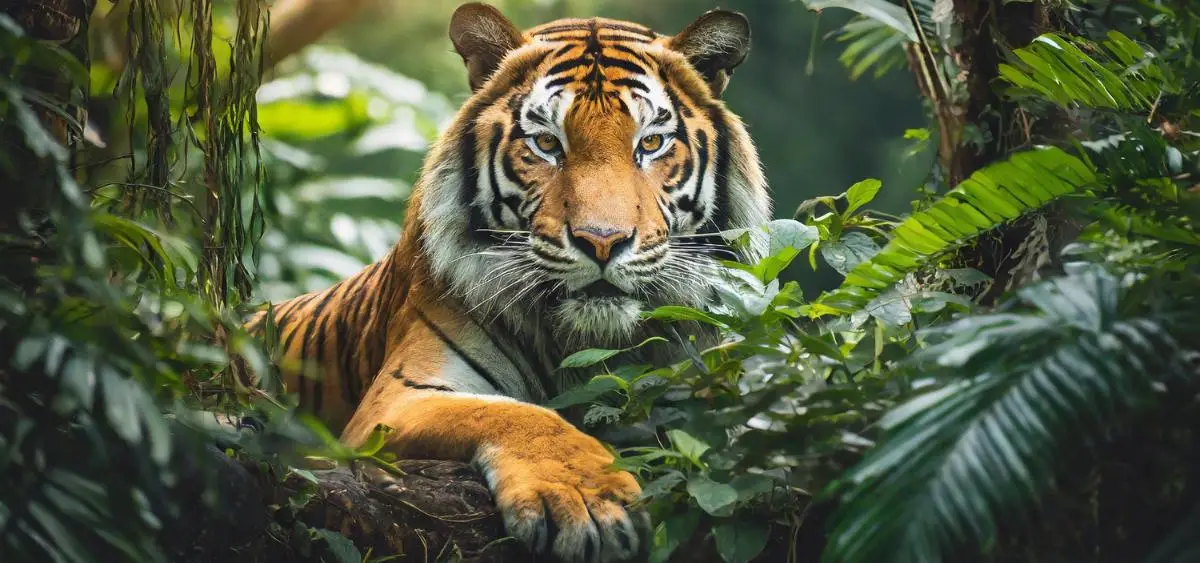
Why Biodiversity Is Important for Everyone?
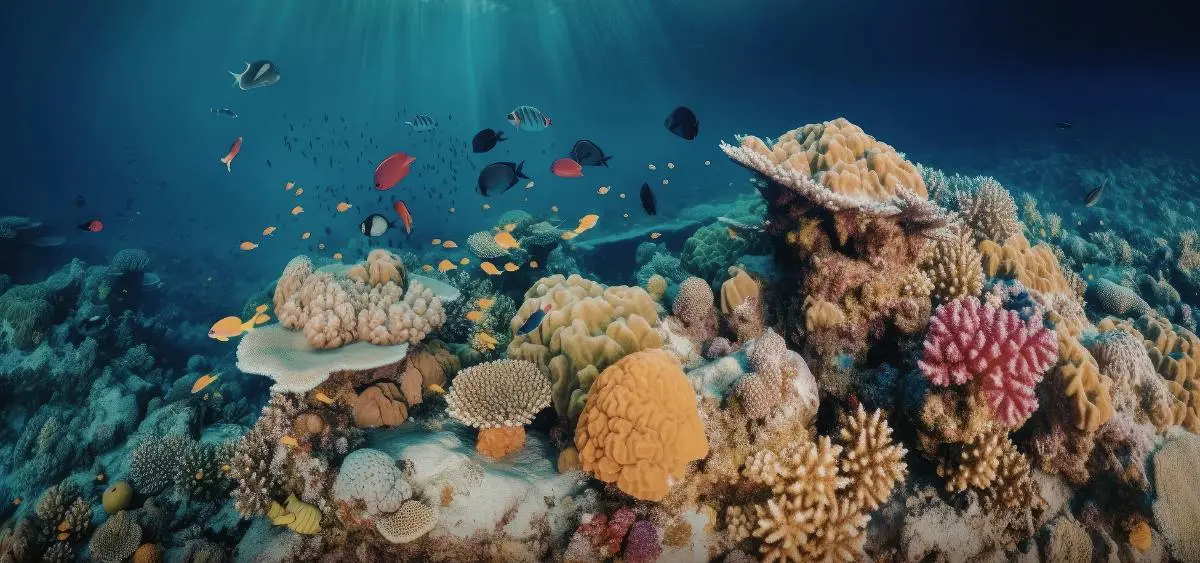
Biodiversity means the variety of all living things on Earth—plants, animals, insects, fungi, and microorganisms. It also includes the ecosystems they form, such as forests, rivers, oceans, grasslands, and wetlands.
You may not always notice it, but biodiversity supports your daily life. The air you breathe, the food you eat, and even many medicines you use come from nature. Without healthy ecosystems, human life would not be possible.
Here are some important facts that show why biodiversity matters:
- More than 80% of the food people eat comes from plants.
- Fish provide about 20% of animal protein for nearly three billion people.
- Around 80% of people in rural areas of developing countries depend on traditional plant-based medicines.
- Three-quarters of land areas and about two-thirds of marine areas have already been heavily changed by human activities.
- About one million plant and animal species are at risk of extinction.
These facts show that biodiversity loss is not a small or distant problem. It affects food security, health, jobs, and the economy. It affects everyone.
Healthy ecosystems also provide clean water, fertile soil for farming, pollination for crops, protection from floods, and control of diseases. Forests and oceans help regulate the climate by absorbing carbon dioxide. When biodiversity is strong, ecosystems are more stable and better able to recover from disasters.
What Is Causing Biodiversity Loss?
Scientists have identified five main reasons for biodiversity loss:
- Habitat destruction – Forests are cut down for farming, roads, and cities. Wetlands are drained. Coral reefs are damaged. When animals and plants lose their homes, they struggle to survive.
- Overexploitation – Overfishing, hunting, and excessive logging reduce populations faster than they can recover.
- Pollution – Plastic waste, chemicals, and oil spills harm wildlife and contaminate water and soil.
- Invasive species – Non-native plants and animals can take over and push out local species.
- Climate change – Rising temperatures, melting ice, changing rainfall patterns, and extreme weather events disturb ecosystems.
Climate change and biodiversity are closely linked. For example, warmer oceans cause coral bleaching, which destroys coral reefs. Changes in rainfall can dry up wetlands. Melting Arctic ice threatens polar species like polar bears. At the same time, forests, oceans, and wetlands help fight climate change by storing carbon. Protecting biodiversity also helps protect the climate.
Positive Actions and Growing Hope
Even though the situation is serious, there is hope. Around the world, people are working hard to protect and restore nature.
Ecosystem restoration projects are planting trees, restoring mangroves, cleaning rivers, and rebuilding damaged coral reefs. Wildlife conservation programmes are helping endangered species recover. National parks and protected areas have expanded in many countries. Community-led conservation projects are becoming more common, especially where local and Indigenous communities play a leading role.
Indigenous knowledge is especially important. For generations, many Indigenous communities have protected forests, rivers, and wildlife through sustainable practices. Their experience shows that humans and nature can live in balance.
International agreements also support biodiversity protection. One important global plan is the Kunming-Montreal Global Biodiversity Framework. It sets clear goals to stop and reverse biodiversity loss by 2030. These targets include protecting at least 30% of land and sea areas and restoring damaged ecosystems.
Protecting biodiversity is also connected to the Sustainable Development Goals (SDGs). Healthy ecosystems support goals related to zero hunger, clean water, good health, climate action, and economic growth. Nature is not separate from development—it is the foundation of it.
Looking Ahead to 2026
As we move toward International Day for Biological Diversity 2026, countries and organisations are preparing new campaigns and activities. Although the official theme for 2026 may be announced closer to the date, discussions already focus on accelerating action and meeting global biodiversity targets by 2030.
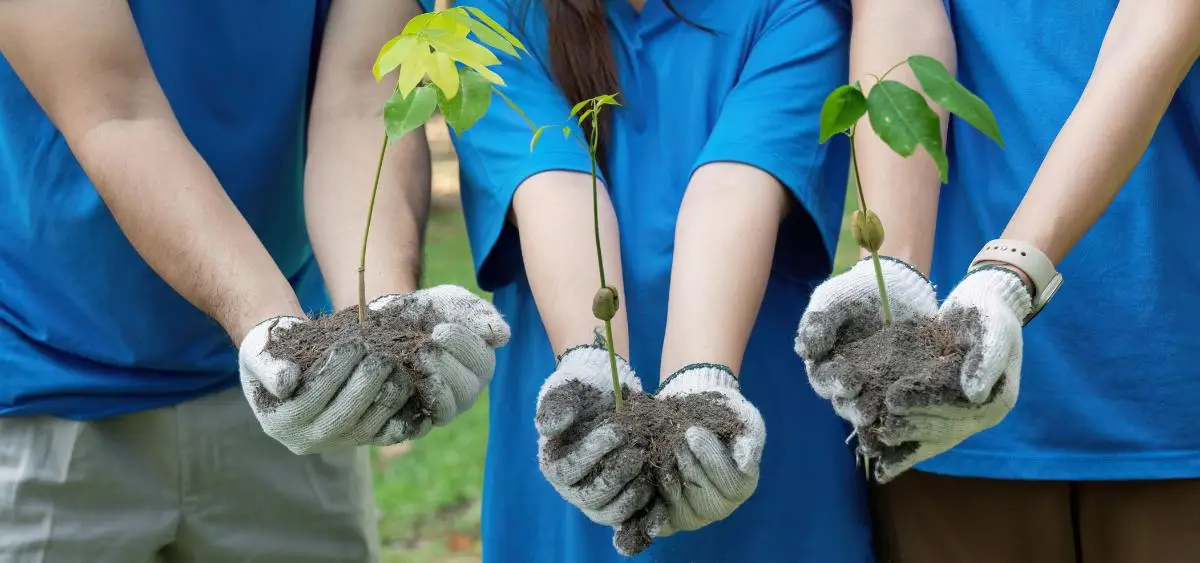
On 22 May 2026, you can expect many events around the world. Schools may organise special lessons about ecosystems. Communities might arrange tree-planting drives, beach clean-ups, or nature walks. Social media platforms will run biodiversity awareness campaigns. Environmental groups will host webinars and workshops to educate people about protecting nature.
These events are not just symbolic. They help people learn, connect, and take practical steps toward a more sustainable future.
Simple Ways You Can Help
You do not need to be an environmental expert to protect biodiversity. Small everyday actions can make a big difference when millions of people participate. Here are some simple steps you can take:
- Reduce the use of single-use plastics.
- Choose sustainable and locally sourced food products.
- Support farmers and businesses that follow eco-friendly practices.
- Plant native trees or flowers in your garden or community.
- Save water and electricity at home.
- Learn more about endangered species and support conservation groups.
- Avoid wasting food.
- Spread awareness through social media and conversations.
Even simple habits, like carrying a reusable bag or bottle, help reduce pollution. When people change their lifestyles, companies and governments are encouraged to adopt more sustainable policies.
A Reminder for the Future
The International Day for Biological Diversity is more than just a yearly celebration. It is a reminder that humans share this planet with millions of other species. Our health, economy, and future depend on the health of nature. When we protect forests, oceans, rivers, and wildlife, we are also protecting ourselves. Biodiversity is not only about rare animals or beautiful landscapes, it is about survival, balance, and harmony.
On 22 May 2026, take a moment to look around you. Notice the trees, birds, insects, or flowers nearby. Think about how they contribute to your life. Then ask yourself what action you can take, not just on this day, but every day. When individuals, communities, governments, and businesses work together, real change becomes possible. Awareness is the first step, but action is what truly protects the planet.
Let International Day for Biological Diversity 2026 be the year we move from promises to progress. By respecting nature and making responsible choices, we can ensure that future generations inherit a world rich in life, colour, and opportunity. Together, we can protect biodiversity and secure a healthier, more sustainable future for all.
Also, read: How Does a house Sewage water Treatment Plant Work?
Also, read: Apple Leather: From Apple Waste to High-End Fashion!
Also, read: World Tuna Day 2026: History, significance and fun facts!
Also, read: World Civet Day 2026: History, Purpose, and Fun Facts!
Also, read: What Is Earth Hour? Earth Hour 2026- Date and Time!