Farmers in coastal areas often struggle to decide what to grow. Rising sea levels and salty water can ruin traditional crops. But there’s a smart solution that’s turning this challenge into an opportunity. In this system, shrimp and rice grow together in the same field. It helps farmers earn more, creates almost no waste, and works well with changing weather. That’s why this method is getting attention around the world.
What Is Shrimp and Rice Farming?
Shrimp and rice farming means growing seafood and crops in one place, at different times of the year. Farmers use the same fields or ponds for both. During the dry season, when the water becomes salty, shrimp grow well. When the rainy season arrives and fresh water returns, farmers switch to growing rice. This natural seasonal change is the heart of shrimp and rice farming.
The system follows nature’s own cycle. Leftover rice plants break down and become food for small organisms that shrimp eat. In return, shrimp waste improves the soil and helps the next rice crop grow better. Because everything supports each other, farmers don’t need many chemicals, fertilizers, or extra feed. That’s why many people call it zero-waste farming.
How Farmers Use This Method
In salty coastal areas, farmers prepare their fields with small walls and trenches to control water. During the salty season, they raise strong shrimp varieties like black tiger shrimp. These shrimp feed naturally on plankton and plant remains, so extra feeding is minimal. When the monsoon rains arrive and reduce salt levels, farmers plant rice. The shrimp waste acts like a natural fertilizer, helping the rice grow healthy and strong.
Most farmers follow a double-crop system, shrimp in the dry season and rice in the wet season. Some even add crabs or prawns to earn more income. Managing water is key. Rainwater washes away extra salt and keeps the soil healthy without costly pumping. This method blends traditional farming knowledge with modern ideas like better water channels and disease-resistant crops, making it both practical and future-ready.
Key Benefits of Shrimp and Rice Farming
Shrimp and rice farming offers much more than just two crops from one field. The biggest advantage is better income. Instead of depending on only rice or only shrimp, farmers earn from both. Many studies show that these mixed fields can make much more money per hectare than single-crop farming.
Rice grown in slightly salty water often smells better and tastes richer, so it sells at higher prices. Shrimp also have strong demand, especially in export markets. Together, shrimp and rice create a powerful income combination.
From an environmental point of view, this system is a great example of sustainable farming. Farmers use very few chemicals, which keeps the water clean and protects fish, soil, and other living organisms. Waste from one crop becomes food for the other, so nothing is really wasted. Instead of forcing nature with heavy irrigation or dams, this method works with natural water cycles.
For farmers, shrimp and rice farming also means more security. If one crop is affected by bad weather or disease, the other can still provide income. In areas already struggling with climate change, this climate-smart approach helps farmers keep producing food where traditional farming often fails.
Profit and Income Potential
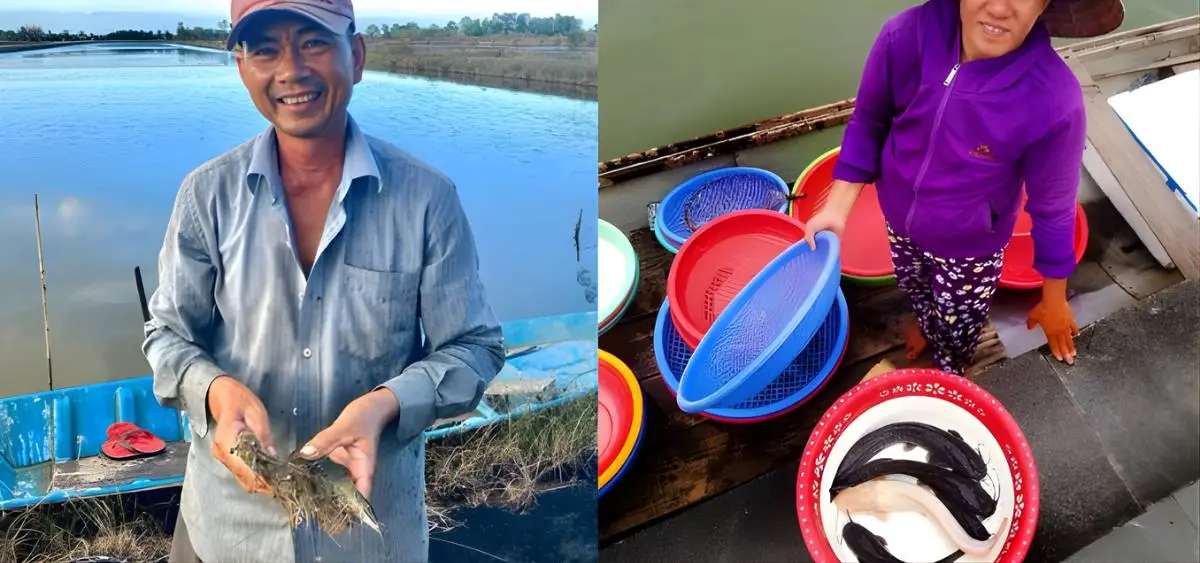
The numbers make this system very attractive. On average, farmers can harvest 5 to 8 tonnes of rice and 300 to 1,000 kg of shrimp per hectare in one cycle. In many cases, profits are much higher than growing only rice or only shrimp.
Small farmers in coastal areas benefit the most. Lower costs, fewer diseases, and strong market prices improve overall earnings. When products are sold as organic or certified, prices can go even higher. For many families, shrimp and rice farming becomes a stable and long-term livelihood.
Challenges and How Farmers Handle Them
Like any farming system, there are challenges. Too much salt in the soil can be a problem, so farmers carefully manage water and use rainwater to reduce salt levels. Disease risk is controlled by keeping shrimp numbers balanced and using natural food sources.
Learning this system takes time, especially for farmers switching from single-crop farming. But modern solutions help. Salt-tolerant rice varieties, better field designs, and improved shrimp breeding have made the system easier to manage. When modern methods are combined with local knowledge, results improve even more.
Why This Matters for Coastal Farming Worldwide?
Across the world, coastal farmers face rising sea levels and unpredictable rainfall. Shrimp and rice farming offers a proven solution. It keeps farmland productive while supporting local economies and protecting the environment.
The zero-waste nature of this system fits well with global goals for sustainable food production. At the same time, organic and eco-friendly practices attract today’s environmentally aware consumers.
The Future of Shrimp and Rice Farming
Shrimp and rice farming continues to improve with better technology and standards. Tools like water monitoring and selective breeding are making the system more efficient and reliable. Farmers who adopt this method are preparing themselves for the future.
This farming model shows that nature and innovation can work together. It provides food, income, and environmental balance at the same time. Shrimp and rice fields don’t just grow crops, they help build stronger, more sustainable coastal communities.
Farmers everywhere can learn from this approach. The success of shrimp and rice farming proves that zero-waste farming is practical, profitable, and ready for the future.
Also, read: World Penguin Day 2026: history, importance and fun facts!
Also, read: Himalayan Red Fox Spotted Near Parashar Lake in Mandi
Also, read: How to Reduce Industry Air Pollution with Simple Steps!
Also, read: Nuclear Device Himalayas: Nanda Devi Plutonium Mystery!
Also, read: December Plants guide: Best Flowers, Fruits & Veggies to Grow
Also, read: What Is Bioleather? Know everything- Pros, Cons & Myths!