Climate change is becoming harder to ignore. Hotter days, extreme weather, and dirty air are affecting people all over the world. One way to deal with this is by changing how we travel. Electric vehicles (EVs) help reduce pollution from cars, and that’s where Tesla comes in. Tesla is often seen as a leader in clean, zero-emission vehicles and green technology. But many people still wonder, how positive is Tesla’s environmental impact really?
In this blog, we look at both the good and the not-so-good sides. We’ll talk about the environmental benefits of Tesla’s EVs, along with concerns around manufacturing, energy use, recycling, and more. By the end, you’ll have a clearer and more balanced understanding of Tesla’s role in building a cleaner, more sustainable future.
Introduction: Why Tesla’s Environmental Impact Matters?
Transportation is one of the biggest causes of pollution worldwide. Petrol and diesel cars release harmful gases straight into the air through their exhaust. Electric vehicles, on the other hand, don’t produce these tailpipe emissions at all. That’s where Tesla comes in, pushing the shift toward cleaner driving and helping tackle climate change with electric cars.
Many people see Tesla as a green brand because of its bold mission, smart technology, and growing popularity. With strong sales and constant media attention, Tesla clearly has the power to make a big difference. But being truly sustainable isn’t just about selling electric cars.
To really understand Tesla’s environmental impact, we need to look at the full journey, from sourcing raw materials to how cars are recycled at the end of their life. In this post, we’ll explore the positive side, like how Tesla helps reduce carbon emissions, and also talk honestly about the challenges, such as concerns around gigafactories and other environmental debates. Let’s break it all down, step by step.
What Is Tesla’s Environmental Mission?
Tesla’s main goal is simple: help the world switch to clean, sustainable energy faster. The company makes electric cars, solar products, and energy storage systems so we can rely less on fossil fuels. Every year, Tesla shares an Impact Report that shows what progress it’s making, including emissions data, clean energy projects, and future goals.
At the heart of it all is one big idea, build a future powered by clean energy. Tesla invests heavily in solar power and energy storage for homes, businesses, and power grids. Recent reports show the company is slowly but steadily moving toward these goals.

Tesla Electric Vehicles vs Petrol Cars
Switching from petrol cars to electric vehicles makes a real difference. Petrol and diesel cars burn fuel all the time, releasing carbon dioxide and other harmful gases. Tesla’s electric cars don’t have exhaust pipes, so they don’t release pollution while driving. This helps improve air quality, especially in busy cities.
Yes, making an electric car, especially the battery, creates more emissions at the start. But over time, EVs make up for it. In fact, a Tesla usually produces fewer total emissions than a petrol car within about four years of normal driving. In the U.S., one Tesla can prevent around 52 metric tons of CO₂ over its lifetime. Globally, the average is about 35 metric tons.
As more electricity comes from renewable sources, electric cars become even cleaner. That makes their long-term impact even better for the planet.
Tesla’s Carbon Footprint Explained
Like any product, Tesla cars do have a carbon footprint. Emissions mainly come from mining materials, making batteries, building the cars, and charging them. How clean charging is depends on where the electricity comes from.
Tesla shares detailed data in its reports, and the good news is that its overall emissions are going down as efficiency improves. In 2024 alone, Tesla’s cars, solar systems, and batteries helped avoid nearly 32 million metric tons of CO₂ emissions, about 60% more than the year before. To put that into perspective, it’s like avoiding the pollution from driving a petrol car around the Earth many times over.
Tesla Battery Production: Environmental Impact
Batteries are key to Tesla’s success, but they come with challenges. Mining materials like lithium, cobalt, and nickel can harm the environment and affect local communities. This is one of the biggest concerns in Tesla’s supply chain. Tesla is trying to reduce this impact by using fewer raw materials, improving efficiency, and exploring better battery technologies. Still, battery production remains the biggest source of emissions during manufacturing, and it’s an area where more improvement is needed.
Tesla Battery Recycling & Circular Economy
Battery recycling is a big part of Tesla’s long-term plan. Tesla designs its batteries so they’re easier to take apart and reuse. Valuable metals can be recovered and used again, which reduces the need for new mining. This approach cuts waste and lowers emissions over time. Tesla’s goal is to create a circular system where most battery materials are reused again and again. As recycling technology improves, this process should become even cleaner and more efficient.
Gigafactories and Their Environmental Impact
Tesla’s Gigafactories are huge facilities that make cars, batteries, and energy products. Because they’re so large, they use a lot of energy and water, which has raised concerns in some areas.
To reduce this impact, Tesla uses renewable energy where possible and relies on smart systems to save power. For example, AI-powered controls have helped factories in places like Nevada and Berlin cut millions of kilowatt-hours of energy use. Water recycling, waste reduction, and better efficiency are also part of the plan, though challenges still remain as production scales up.
Tesla and Renewable Energy Solutions
Tesla’s impact goes beyond cars. Its solar panels and Solar Roof help homes and buildings produce clean electricity. This reduces dependence on coal, oil, and gas. Products like Powerwall and Megapack store energy so it can be used later. They help stabilize power grids, support renewable energy, and reduce emissions during peak demand times. Together, these solutions make clean energy more practical and reliable around the world.
Environmental Benefits Beyond Cars
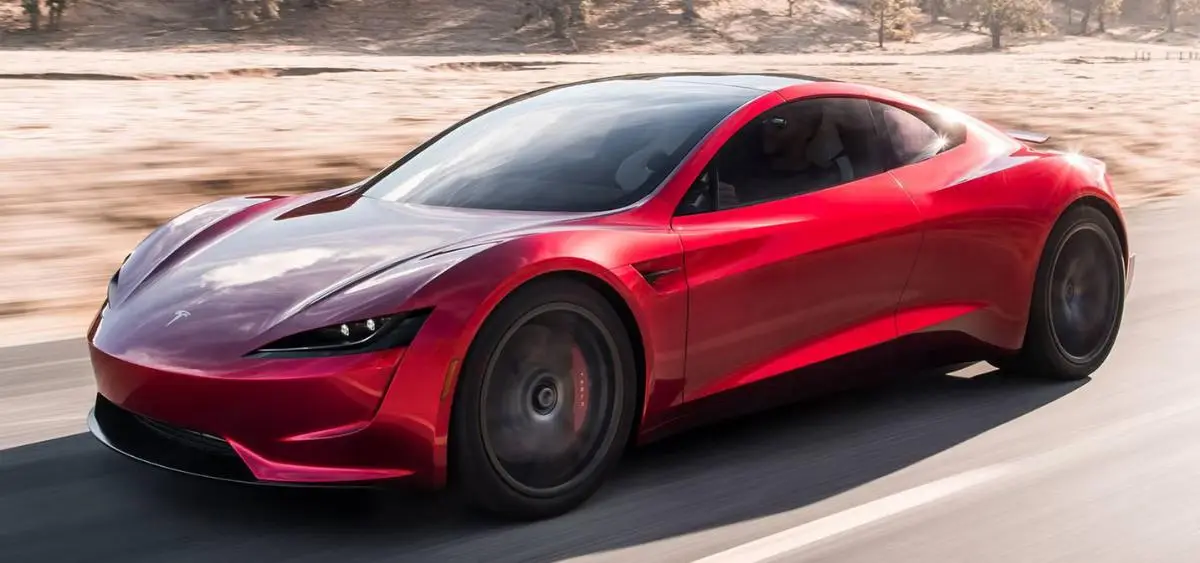
Tesla vehicles don’t just reduce carbon emissions, they also make cities nicer places to live. No exhaust fumes mean cleaner air, which is better for public health. Electric cars are also much quieter, helping reduce noise pollution. Cleaner air and quieter streets improve daily life, especially in crowded urban areas. These small changes add up when more people switch to electric vehicles.
Criticism & Environmental Controversies
Tesla isn’t perfect, and it does face criticism. Mining battery materials can damage ecosystems and raise concerns about water use and working conditions. Some Gigafactories have been questioned for their water consumption and local environmental impact. There are also debates about how quickly Tesla is switching all its operations to renewable energy and how some emissions are measured. Tesla addresses these issues in its reports and says it’s working to improve, but some problems are still ongoing.
Is Tesla Truly Sustainable?
Tesla clearly delivers strong environmental benefits, especially through electric vehicles and clean energy products. Millions of tons of emissions avoided, progress in recycling, and renewable energy growth are major positives.
However, challenges remain. Manufacturing emissions, mining impacts, and factory resource use are still concerns. Tesla hasn’t reached net-zero across its entire supply chain yet. More work is needed in ethical sourcing, water conservation, and renewable energy use. Overall, Tesla is moving faster in the right direction than many traditional car companies, but true sustainability is an ongoing process.
Tesla’s Future Sustainability Goals
Looking ahead, Tesla plans to aim for net-zero emissions across everything it does, from mining to recycling. More renewable energy, smarter factories, and better batteries will play a big role. Future innovations like next-gen batteries, robotaxis, and improved recycling systems could cut emissions even further. If scaled successfully, these efforts could support global climate goals in a big way.
Conclusion
Tesla’s environmental impact is a mix of big wins and real challenges. The company has helped reduce emissions, pushed electric vehicles into the mainstream, and expanded renewable energy solutions. At the same time, issues like mining, water use, and factory impact still need attention. In short, Tesla isn’t flawless, but its contribution to clean energy and climate action is meaningful. How transparent and innovative it stays will decide its long-term success.
What’s your take on Tesla’s sustainability journey? Share your thoughts in the comments and explore how electric vehicles and clean energy could fit into your own life. Together, small choices can help build a cleaner future.
Also, read: Discover How This Company Purifies Water with Nature’s Touch!
Also, read: Renewable Energy Incentives: How to Save Money on Your Energy Bill
Also, read: Top 10 Sustainable Fabrics That Are Saving Our Planet!
Also, read: What Is Jute Made Of? Benefits and Eco-Impact of This Natural Fiber
Also, read: Geothermal Energy: Harnessing the Planet’s Hidden Powerhouse
Also, read: Biomass Energy: A Complete Guide to the Future of Renewable Power