Hey garden lovers! If you’re thinking about what to do in the garden in June, you’re in the right place. June brings the start of summer in many areas, with warmer days and fast-growing plants. If you’re new to gardening, it may feel a bit confusing, but don’t worry. This guide shares easy and practical June gardening tips to keep things simple and enjoyable. Whether you have a vegetable garden, flower beds, or a few pots on your balcony, these June gardening tasks will help your plants grow well. Let’s go through this June garden checklist and turn your garden into a calm, happy space.
Best Vegetable and Flowers for June
June is a great time to plant seeds and seedlings. The soil is warm, making it perfect for summer gardening. Beginners can start with easy vegetables like bush beans, carrots, beets, and radishes. Plant them in short rows every couple of weeks for a steady harvest. Heat-loving veggies like zucchini, squash, tomatoes, sweet corn, and cucumbers also do well in June. In warmer areas, you can try okra or lima beans too.
Don’t forget flowers! Zinnias, marigolds, and sunflowers grow quickly and bring bright colors to your garden. For small spaces, container gardening works well, plant trailing tomatoes or herbs like basil and coriander in hanging baskets.
If you raised plants indoors, harden them off by slowly getting them used to outdoor conditions over a week. This helps them grow strong and healthy. In 2026, with milder springs in many areas, you may even plant a bit earlier in cooler zones, just check local frost dates first.

Easy Tips to Keep Them Healthy
Hot summer days make plants thirsty, so watering is very important in June. Give your plants about an inch of water per week, and focus on deep watering instead of light sprinkling, this helps roots grow strong. For your vegetable garden, water beans and peas when they start flowering, and add mulch around crops like pumpkins to keep soil moist. Mulch also helps reduce weeds and evaporation.
During dry spells, pay extra attention to new plants and container plants, as they dry out faster. If you can, use rainwater, especially for acid-loving plants like blueberries. A simple drip irrigation system saves water and time, and it’s eco-friendly. In hotter regions like the Mediterranean or Southern U.S., water early in the morning or in the evening to avoid water loss. Beginners, be careful not to overwater, check the soil by sticking your finger an inch deep; if it’s dry, it’s time to water. Consistent watering can increase home garden yields by up to 20%, making all your hard work worthwhile.
Tips for Pruning Plants in June
Pruning may sound complicated, but it’s really just light cutting to keep plants healthy. In June, trim spring-flowering shrubs like lilacs or weigela after they finish blooming. Cut a few old stems so new growth can come through. For roses, remove faded flowers and gently tie new shoots to help more buds grow. Pinch the tips of plants like fuchsias and bedding plants to make them fuller and bloom more.
Tomatoes also need care. If you grow cordon tomatoes, remove side shoots so the plant puts energy into fruits. For climbing plants like clematis or honeysuckle, guide them with soft ties. Avoid heavy cutting on evergreen plants unless they’ve grown too big. A simple June gardening tip, always use clean tools to stop diseases from spreading. Pruning also supports natural plant growth and reduces waste, making your garden healthier and easier to care for.
Pest Control in the Garden in June
No one likes insects eating their plants. In June, check your garden often for pests like aphids, beetles, or slugs. Finding them early makes control easier. You can remove aphids by hand or spray them with mild soapy water. For slugs, look for them in the evening when the soil is damp.
Cover fruits to protect them from birds. Helpful insects like ladybugs and lacewings can also keep pests under control naturally. Check the underside of leaves for hidden pests, especially on fruit plants and trees. In greenhouses, allow more air to flow to stop spider mites. In humid weather, watch for powdery mildew and remove infected leaves quickly.
Avoid using strong chemical sprays, as they can harm bees and other helpful insects. Gardens with a mix of different plants usually have fewer pest problems, so growing a variety of plants can help keep your garden healthy.
Lawn Care Tips for June
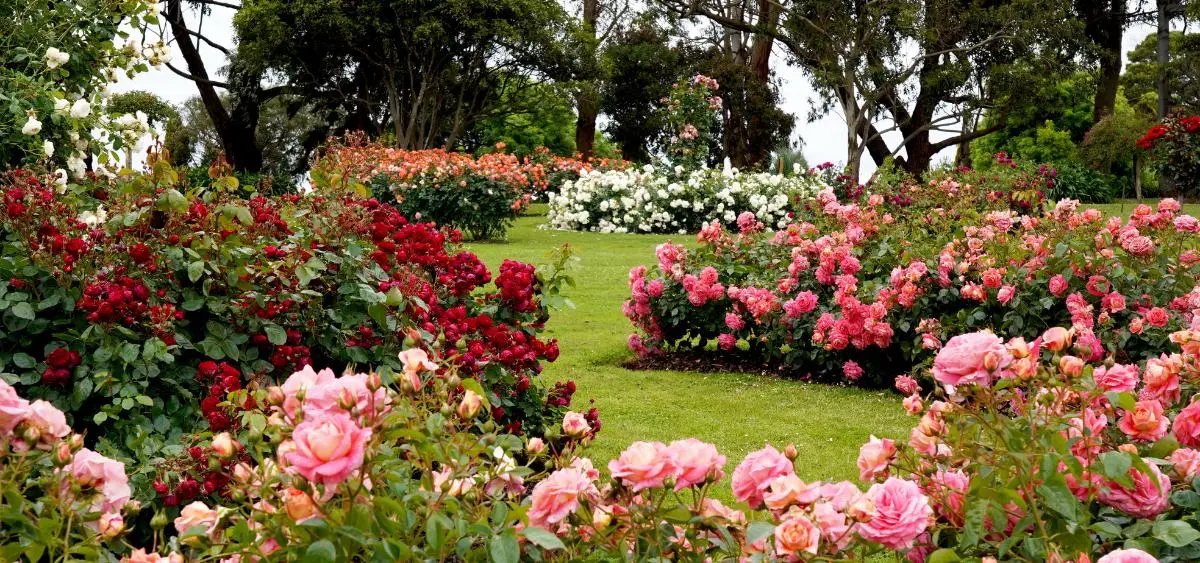
Your lawn needs care too. Mow once a week, but keep the grass a little taller during hot or dry days so it doesn’t dry out. Use a balanced fertilizer to help the grass grow well, and remove weeds using spot treatments. If grass doesn’t grow well in shady areas, try groundcover plants like ferns or vinca. They are easy to care for and grow well in shade.
For new lawns, water deeply a few times a week until the grass settles in. Trim the edges to keep your lawn neat and make mowing easier. In very hot areas, choose drought-resistant grass to save water. These easy June lawn care steps keep your garden ready for play and relaxation.
Soil Care in Summer and Flower Care in June
Healthy soil helps plants grow better. Add fresh compost and slow-release fertilizer to pots and containers. For flowers, remove dead blooms from plants like geraniums so they can grow new ones. Support tall plants like delphiniums with stakes so they don’t fall over. Add mulch around plants to keep moisture in and stop weeds.
If needed, check your soil’s pH, most vegetables like slightly acidic soil. Mix in organic matter like dried leaves to improve soil quality. Repot indoor plants before moving them outside. Rotate crops each year to keep the soil healthy and productive.
Conclusion
Now you know what to do in the garden in June. From lawn care to soil and flower tips, these simple steps make gardening easier and more enjoyable. Gardening doesn’t have to be perfect, just enjoy watching your plants grow. With more people growing their own food, even small efforts can make a big difference. Put on your gloves, step outside, and enjoy your garden. What’s your favorite June gardening task? Let us know in the comments!
Also, read: A Simple Guide to Creating Sustainable Hotels!
Also, read: Your December Pruning Guide: Easy Tips for Winter Gardening!
Also, read: Microplastic: What Is It and Why Is It Dangerous?
Also, read: The City That Drinks Water: Meet the Sponge City!
Also, read: The Untold Story of Mundi Elephant: From Captivity to Freedom
Also, read: What Optical Illusions Reveal About Animal Brains!