Hey ocean lovers! Imagine standing on a sunny beach and watching huge shapes move gently through the water. That’s the magic of whales, the amazing giants of the sea. World Whale Day 2026 will be celebrated on February 15, giving us a perfect chance to honor these beautiful creatures. This day reminds us how important it is to protect marine life and keep our oceans healthy. Let’s explore what World Whale Day is about, why it matters, and some incredible whale facts that will make you admire them even more.
History of World Whale Day
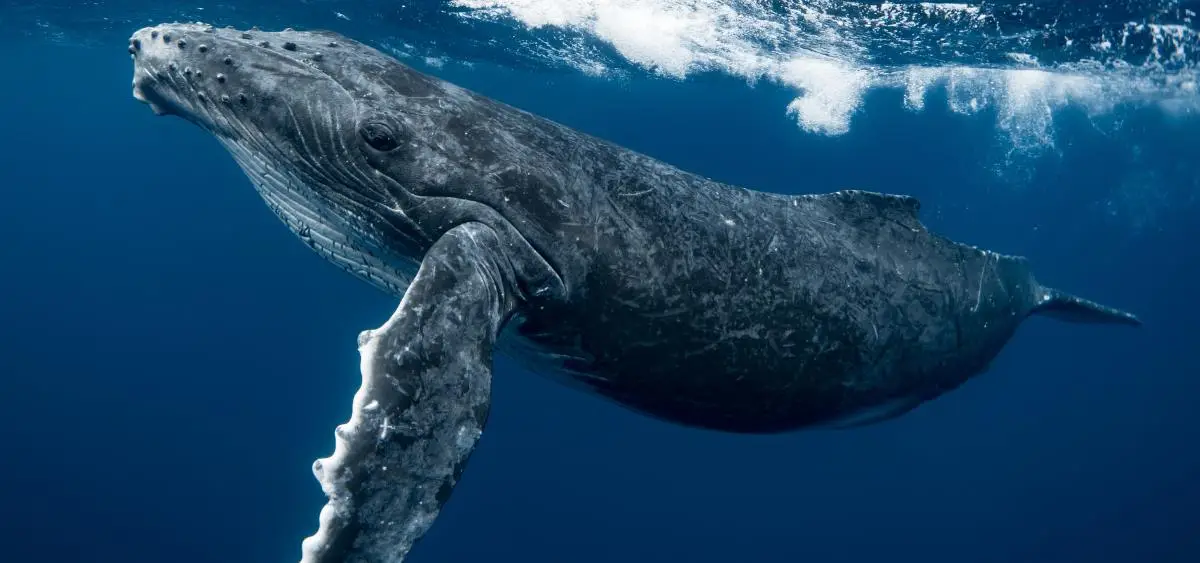
World Whale Day began as a small idea but slowly became a global movement. It started in 1980 in Maui, Hawaii, when a dedicated conservationist wanted people to care more about humpback whales. These whales travel to Hawaiian waters every year, but they were facing serious threats like hunting and loss of their natural habitat.
At first, the day was celebrated as part of a local festival with parades, music, and fun events. The goal was simple, get people’s attention and spread awareness about whales and other marine animals. Over time, people realized that not only humpback whales, but all whale species were in danger. In the past, whales were hunted heavily for oil and meat, which pushed many species close to extinction. By the mid-1900s, international laws were created to reduce this harm. Movements like “Save the Whales” helped bring global attention to the issue.
Today, World Whale Day is observed every third Sunday of February. It reminds us of the past and encourages us to protect our oceans. In 2026, this message feels more important than ever as marine life continues to face serious challenges.
Why World Whale Day Matters?
Whales are not just big animals in the ocean. They play a very important role in keeping the sea healthy. When whales swim and dive, they move nutrients through the water. These nutrients help tiny plankton grow, and plankton are the base of the ocean food chain. Without whales, the balance of marine life could break, and many ocean ecosystems could suffer.
Today, many whale species are still in danger. For example, the North Atlantic right whale has only a few hundred left in the world. Some whales, like humpback whales, have recovered a little, but they still face threats such as pollution, ship accidents, and climate change. Whales also help fight climate change by storing carbon in their bodies during their lifetime, which helps reduce carbon in the air.
World Whale Day helps spread awareness about these issues. It reminds us how plastic waste, oil spills, and rising ocean temperatures harm whales and other marine animals. By learning more and making small changes, like reducing plastic use, we can help protect whales, oceans, and the planet for future generations.
Amazing Facts About Whales
Whales are truly amazing creatures, and there are many reasons why people find them fascinating. Did you know that humpback whales sing songs? These songs are mainly sung by males during the breeding season, and they change a little every year. What’s even more interesting is that the songs spread from one whale group to another, almost like a song going viral in the ocean.
Blue whales are the biggest animals to ever live on Earth. They can grow up to 98 feet long, and their heart is as heavy as a car. On the other hand, smaller whales like the dwarf sperm whale are only about 6 to 9 feet long. Whales also travel huge distances. Humpback whales can swim more than 10,000 miles every year, moving from cold waters where they eat to warmer waters where they give birth. These long journeys help keep the ocean healthy by spreading nutrients.
Whales are very intelligent and emotional animals. They live in close family groups, care for one another, and even show signs of sadness when they lose a family member. Orcas, which are actually a type of dolphin, hunt together using smart teamwork. Whales also have a unique way of sleeping, half of their brain stays awake so they can come to the surface to breathe. Learning these whale facts makes whale watching even more special. Seeing a whale jump out of the water feels like watching pure happiness in nature.
Whales also play a big role in protecting marine life. Their waste helps plankton grow, and plankton absorbs carbon dioxide from the air. This helps fight climate change. When whales are protected, oceans stay healthier. Recent conservation efforts have shown hope, with endangered whale species slowly recovering and new calves being born.
How You Can Celebrate and Make a Difference?
Want to celebrate World Whale Day 2026? Start small. Learn about whales by reading books or watching videos. You can also join local events or online talks that focus on protecting whale habitats. If you live near the sea, choose whale-watching tours that follow rules and do not disturb the whales.
At home, make simple changes that help the ocean. Reduce plastic use and recycle waste to keep oceans clean. Buy seafood from sustainable sources. Even small choices, like walking or cycling instead of driving, help reduce pollution that reaches the sea. You can also support fundraising events or share online pledges to spread awareness about whales.
Conclusion
World Whale Day reminds us how important whales are for our oceans and our planet. These gentle giants help keep marine life healthy and balanced. Sadly, many whale species are still in danger because of pollution, climate change, and human activities.
The good news is that even small actions can make a big difference. By reducing plastic use, choosing sustainable seafood, spreading awareness, and supporting conservation efforts, we can help protect whales and their homes. When we care for whales, we also care for the future of our oceans. Let World Whale Day inspire us to act with kindness and responsibility. Together, we can ensure that whales continue to swim freely in our seas for generations to come.
Also, read: The Power of “Reduce, Reuse, Recycle”: Making Every Resource Count
Also, read: What Is Sustainable Technology? Easy Examples and Why It Matters
Also, read: Global Crisis! Impact of Climate Change Are Worse Than Expected
Also, read: Cigarette Butts to Adorable Creation? This Innovation Is Genius!
Also, read: Nature’s Light Show: The Truth About Auroras Revealed!
Also, read: Turn Trash into Treasure: How to recycle waste paper at home