March brings that exciting shift. The ground softens. Birds sing louder. Sunlight lingers. If you’re searching for what to do in the garden in March, this detailed guide covers it all. These March gardening tips help beginners build confidence. They fit seasonal gardening in March worldwide, just tweak for your climate zone. Follow this expanded March garden checklist for garden preparation for spring. You’ll enjoy home gardening in March more with these steps.
Always start smart. Check your local frost dates. In northern areas, late frosts hit mid-March. Southern spots warm faster. Test soil readiness: Grab a fistful. It forms a ball but crumbles when poked? Perfect for work. Too wet? Wait to avoid damage.
March Pruning tips
Pruning plants in March tops gardening tasks in March. It removes winter damage and encourages strong growth. Start with roses. Cut back hybrid teas and floribundas to 30-45cm high. Make angled cuts 5mm above outward-facing buds. Remove dead, diseased, or crossing stems. This open-center shape improves air flow and boosts blooms.
For climbing roses, tie in new shoots and prune side branches to 2-3 buds. Shrubs like lavatera, buddleia, and hardy fuchsias get hard pruning – cut to 10-20cm from ground. This sparks vigorous colorful stems. Clematis vary by group. Group 1 (early flowerers) need light tidy after bloom. Group 2 light prune now. Group 3 hard cut to lowest buds.
Fruit care counts too. Prune apple and pear trees: Remove upward shoots, thin crowded areas, keep open shape. Gooseberries and currants: Cut side shoots to 1 bud. Autumn raspberries go to ground level. Beginners tip: Use sharp bypass secateurs for clean cuts. Disinfect with alcohol between plants. Wear thick gloves for thorny jobs.
What to plant in March?
This March planting guide splits indoor and outdoor options.
1. Indoors:
Warm windowsills or propagators are perfect for starting tender vegetables. Sow seeds of tomatoes (cherry varieties like Sungold are great for sweetness), peppers, eggplants, celery, and leeks using good-quality seed compost. Cover the seeds lightly and keep the temperature between 18–21°C for healthy germination. Once the seedlings develop their first true leaves, gently prick them out into separate pots. Cooler-season vegetables such as broccoli, cabbage, and cauliflower can also be started at this time. You can sow onions indoors too, which helps produce larger, stronger bulbs later on.
2. Outdoors:
March is a great time to start hardy vegetables. You can directly sow broad beans, peas (use twigs or small supports), spinach, kale, lettuce, radishes, carrots, and parsnips. Plant garlic cloves and shallots about 15 cm apart. When planting onion sets, always place them with the pointy end facing up.
Begin by chitting seed potatoes. Place them in egg trays with the eyes facing up and keep them in a cool, bright spot to encourage strong sprouts. Mid-March is ideal for planting early potatoes. Dig trenches about 12 cm deep, space the tubers 30 cm apart, cover with soil, and earth them up as the shoots grow.
Start summer-flowering bulbs indoors or plant them outside in mild areas. Dahlias, lilies, and gladioli grow well in deep pots with good drainage. Hardy annual flowers such as poppies, cornflowers, and nigella can be sown directly into the soil and are excellent for attracting pollinators.
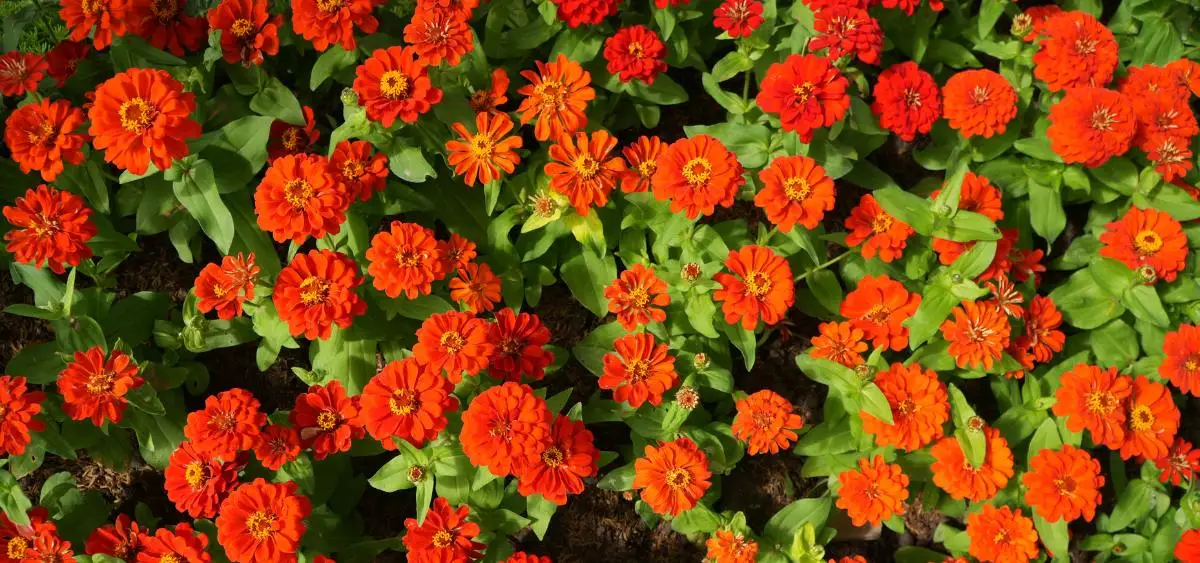
Looking ahead to 2026, climate-smart gardening is becoming more popular. Drought-tolerant plants like zinnias, salvias, and native wildflowers are great choices. Edible flowers such as nasturtiums add both color to your garden and fresh flavors to your meals.
Soil Care and Organic Gardening in March
Prepare your garden beds now by adding 5–10 cm of well-rotted manure or compost. Lightly fork it in to nourish soil microbes and improve soil structure. For organic March gardening, avoid synthetic fertilizers and instead use seaweed meal to provide essential trace elements. Mulch around your perennials with bark or straw to retain moisture, suppress weeds, and regulate soil temperature.
March Garden Maintenance Tips
March is a crucial month to prepare your garden for spring growth. Here’s how to stay on top of garden maintenance:
- Weed Control: Tackle weeds on dry days by hoeing just below the soil surface. This disrupts roots, and young weeds die quickly before they spread.
- Pest Management: As temperatures rise, pests start to emerge. Slugs love tender shoots, create barriers using crushed eggshells, coffee grounds, or wool pellets. Encourage natural predators like frogs and hedgehogs to keep pests in check. Aphids often cluster on new growth; blast them off with a water hose or introduce ladybugs for natural control.
- Lawn Care: Rake out any thatch and trim crisp edges. Wait to mow until grass reaches about 5 cm, then cut at a higher setting around 4 cm. Feed your lawn with organic fertilizer if needed to encourage healthy growth.
- Compost Management: Turn your compost heap regularly, mixing greens and browns to speed up decomposition and prepare nutrient-rich compost for the growing season.
March Gardening Tips for Beginners
- Start small, focus on a single bed or a few pots. Involve your family in sowing seeds and enjoy every moment of the process.
- Use containers for flexibility and choose low-maintenance plants that are easy to care for. Keep a consistent watering routine to help them flourish.
- Combine edible plants with flowers to create a garden that is both beautiful and productive. Experiment with “edimentals,” like colorful chard, for a vibrant touch.
- Check your soil’s pH and amend it as needed. Plan for resilience by selecting drought-tolerant plants suited to your climate.
By the end of the month, your garden will begin to thrive. These simple steps set the stage for a season full of color, growth, and joy. Grab your gloves, dig in, and watch your garden come alive.
Conclusion
March lays the foundation for your garden year. You pruned for health, planted seeds for future harvests, enriched soil, and stayed ahead of weeds. As days warm, watch tender shoots emerge and buds swell. Celebrate small wins, like a sprouted seedling or a neatly pruned rose. Stay flexible with changing weather, protect young plants, and water wisely.
Following this March garden checklist builds habits for seasonal gardening, whether vegetables, flowers, or backyard plants. Consistency is key. Step outside often, enjoy the fresh earth, and listen to returning birds. Your March efforts promise a thriving, colorful, and fruitful garden all summer. Happy gardening!
Also, read: What Is Soil Aeration? How to Aerate Soil Like a Pro?
Also, read: What Is Bioleather? Know everything- Pros, Cons & Myths!
Also, read: The City That Drinks Water: Meet the Sponge City!
Also, read: What Optical Illusions Reveal About Animal Brains!
Also, read: From Trash to Treasure: How Waste Management Supports Sustainability
Also, read: Paris Climate Agreement: A Simple Guide to Saving Our Planet