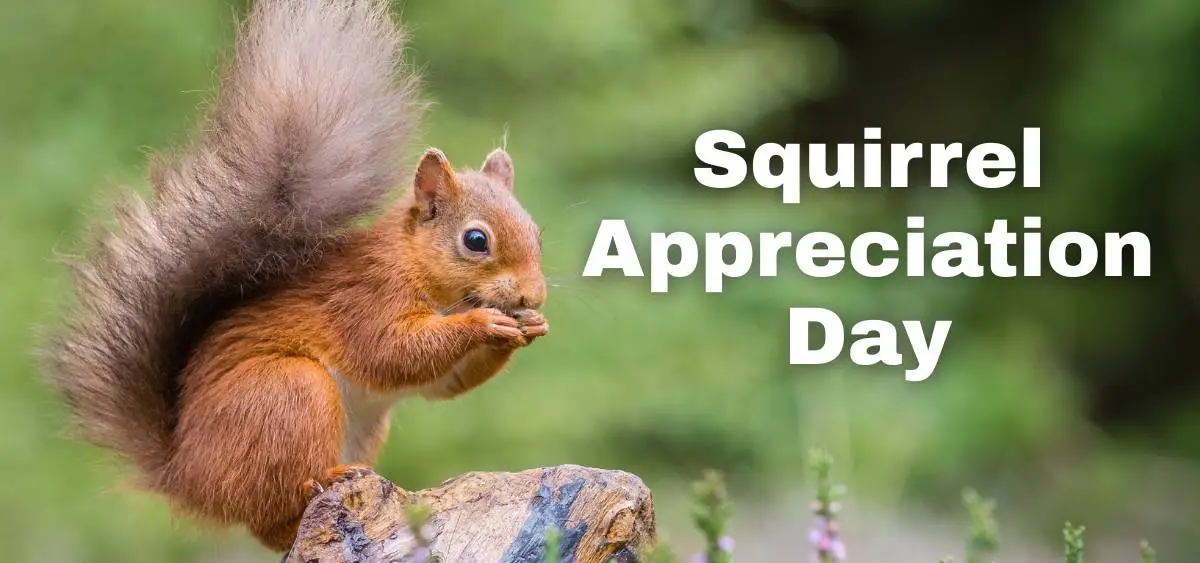

Have you ever stopped during a walk in the park just to watch a squirrel race up a tree? These little, bushy-tailed acrobats always manage to grab our attention. They jump around, run in zigzags, and hide their food like tiny nature engineers. Squirrel Appreciation Day is our chance to celebrate these everyday wonders. This fun day is observed every year on January 21. For 2026, mark your calendar, it falls on a Wednesday, making it a perfect excuse for a midweek nature break.
Curious about when is Squirrel Appreciation Day? It’s always that crisp winter date, January 21. Whether you’re planning for Squirrel Appreciation Day 2025 or looking ahead, it invites everyone to celebrate these rodents in a fresh light. No stuffy lectures here. Just pure joy in spotting their antics and understanding their quiet gifts to the world.
History of Squirrel Appreciation Day
Let’s go back to 2001 in Asheville, North Carolina. A wildlife rehabilitator named Christy Hargrove decided it was time to change how people see squirrels. Instead of viewing them as noisy backyard troublemakers who steal bird food, she wanted everyone to appreciate their playful, lively nature.
So, she created Squirrel Appreciation Day, a simple idea that encouraged people to feed squirrels, take photos, and enjoy their funny, curious behavior. What began as a small effort quickly spread across communities, and today it’s celebrated worldwide.
This day also connects to the bigger idea of appreciating wildlife. It reminds us that even the smallest animals play an important part in nature. Hargrove’s goal was simple, spread “squirrel positivity.” And even after more than 20 years, her idea still brings smiles, awareness, and a bit more love for these little creatures.
Why Celebrate Squirrel Appreciation Day?
Squirrels are more than cute little distractions in our parks and backyards. They play an important role in keeping nature healthy. Think of them as nature’s tiny gardeners, they bury nuts to save for later, forget a few, and those forgotten nuts grow into new trees. This simple habit helps forests regenerate and stay lush. Even in busy cities, squirrels bring life and movement, turning ordinary parks into lively, green spaces.
Studies also show how valuable they are to our ecosystem. Squirrels help control insects, spread seeds across long distances, and support plant diversity. Recent research even found that eastern gray squirrels thrive best in connected woodlands, helping maintain healthy genetic diversity across forest areas. Without squirrels, many forests would grow more slowly and become less diverse. They also serve as prey for owls, hawks, and other predators, an important role that keeps food chains balanced.
Squirrel Behavior Facts and Fun Things to Know About Squirrels
Squirrels may look small, but they are full of personality. With over 200 species around the world, from tiny pygmy squirrels in Africa to the Indian giant squirrel that can grow up to three feet long, each type has its own special charm.
Here are some fun and interesting squirrel facts you’ll love:
1. Amazing Jumpers:
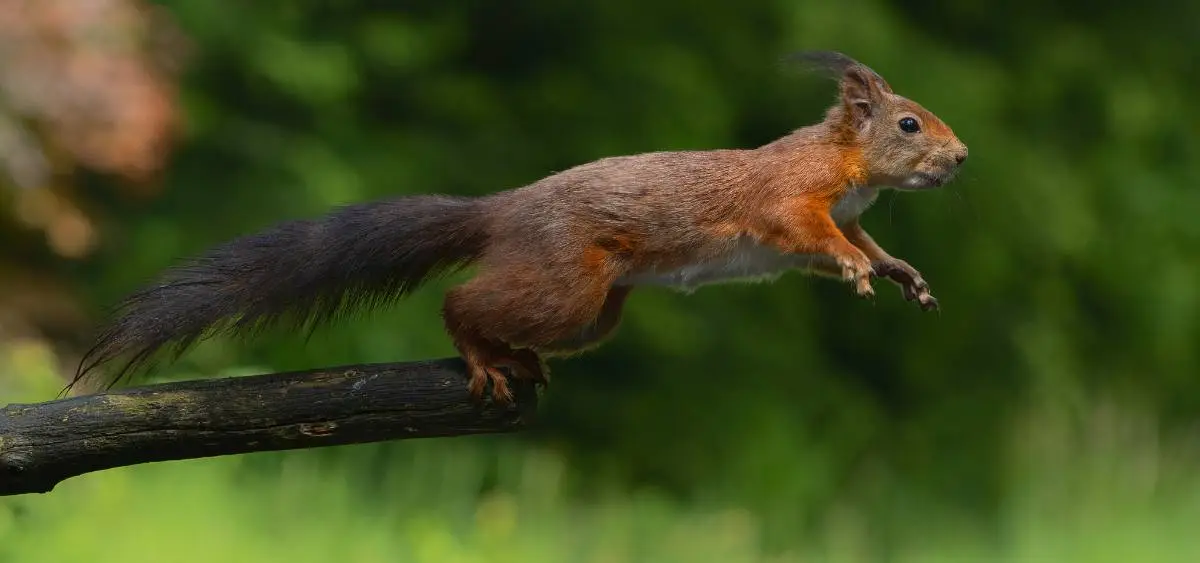
Squirrels can leap up to ten times their body length! That’s like a human jumping over a whole school bus in one go. They can also twist their ankles 180 degrees while climbing, helping them turn quickly and move like little ninjas.
2. Smart Food Savers:
Squirrels hide thousands of nuts every year. But the clever part is that they often pretend to bury nuts to confuse other animals watching them, like birds or other squirrels. Smart, right?
3. Never-Ending Teeth:
A squirrel’s front teeth never stop growing. They can grow about six inches a year, which is why squirrels are always chewing on nuts and wood to keep their teeth the right size.
4. Gliding Squirrels:
Flying squirrels don’t actually fly. They glide using a layer of skin between their legs, traveling up to 150 feet from one tree to another. It’s almost like they have their own built-in parachutes!
5. Winter Snack Hunters:
Even if their nuts are buried under deep snow, squirrels can still find them. Their strong sense of smell helps them locate food easily, even during heavy snowfall.
6. Talkative Creatures:
A group of squirrels is called a “scurry” or a “dray.” They communicate using chirps, squeaks, and tail flicks, whether it’s to warn others of danger or to flirt during the mating season.
Squirrels are more than just cute animals in parks and backyards. They are smart, adaptable, and full of surprises. From forests to city streets, squirrels have earned a special place in stories and culture, from Native American legends where they are seen as protectors, to popular characters like Rocket from Guardians of the Galaxy and Chip ‘n’ Dale.
Squirrel Habitat and the Push for Conservation
Squirrels live in all kinds of places, thick oak forests, neighborhood parks, and even dry desert areas for ground squirrels. But their homes are under pressure. Deforestation, habitat loss, and invasive species are major threats. In some parts of Europe, gray squirrels are pushing out native red squirrels, shrinking their natural territory.
Still, there’s hope. New data from 2025 shows some great progress. In Scotland, the Great Squirrel Survey brought together 1,107 volunteers who helped map red squirrel sightings with new enthusiasm. In New York’s Central Park, a 2025 count recorded 2,979 squirrels, proving that well-protected urban spaces can support healthy wildlife. In northern Scotland, a ten-year reintroduction project has increased red squirrel habitat by more than 25%.
These successes remind us why squirrels matter. They help aerate soil, spread seeds, recycle nutrients, and, of course, bring joy to anyone who watches them.
Squirrel conservation grows strongest when communities get involved. Many projects now focus on connecting woodlands so squirrels can move safely and maintain healthy gene pools. Even small actions help, like keeping leaf piles for nesting materials or joining local wildlife monitoring efforts.
Squirrel Day Celebration Ideas and Fun Activities
Looking for fun ways to celebrate Squirrel Appreciation Day? Here are some simple and enjoyable ideas anyone can try!
Start with a few easy squirrel-themed activities. Create a small backyard obstacle course using branches, sticks, and strings, then watch the squirrels jump and climb through it. You can even record their cute moments and share them online. Kids will love joining in, turn it into a little scavenger hunt where they search for “squirrel signs” like chewed pine cones or tiny paw prints.
For kid-friendly learning activities, try making acorn stamp art or reading fun stories about squirrels, like the tale of Ratatoskr from Norse mythology. You can also bake nut-based treats (safe for squirrels if you plan to share) or host a playful “scurry party” with costume tails, nature music, and woodland décor.
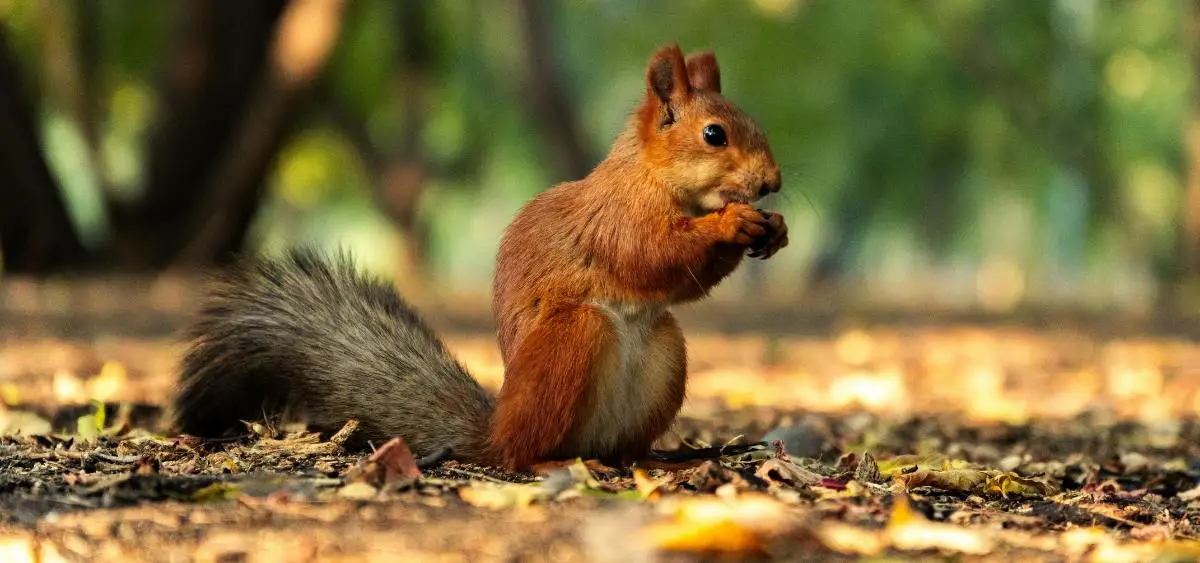
If you prefer being outdoors, fill feeders with seeds, spend time watching local squirrels, or sketch them, whether it’s the gray ones with silver fur or the red squirrels with cute ear tufts. Don’t forget to post your photos using #SquirrelAppreciationDay. In Japan, many people visit squirrel parks on this day; you can recreate that experience by visiting your nearest park or green space.
These small moments make the day fun while also helping kids and adults learn about squirrel habitats, behavior, and their role in nature. It’s a great way to build empathy for wildlife and encourage a lifelong love for the outdoors.
Conclusion
Squirrel Appreciation Day reminds us to notice the small wonders around us. What started with Hargrove’s idea in 2001 has now grown into a worldwide celebration of these energetic, resilient, and fun little animals. As 2026 comes closer, take a moment, look around, watch a squirrel jump, climb, or twitch its tail. It’s hard not to smile. That’s the real charm they bring.
Squirrels show us how to enjoy life’s tiny moments and stay curious. They remind us that nature feels more alive when we pay attention. So on January 21 or any day you choose, take a second to appreciate these bushy-tailed friends. Do you have a favorite squirrel memory? Share it below and let the appreciation continue!
Also, read: Cigarette Butts to Adorable Creation? This Innovation Is Genius!
Also, read: From Plastic to Purpose: A Thoughtful List of Sustainable Swaps
Also, read: The Glitter That Costs Childhoods: Dark Truth of Mica Mining
Also, read: Turn Trash into Treasure: How to recycle waste paper at home
Also, read: Environment Friendly Shopping Hacks That Even Lazy People Can Do!
Also, read: How to Declutter Home Without Harming the Earth?