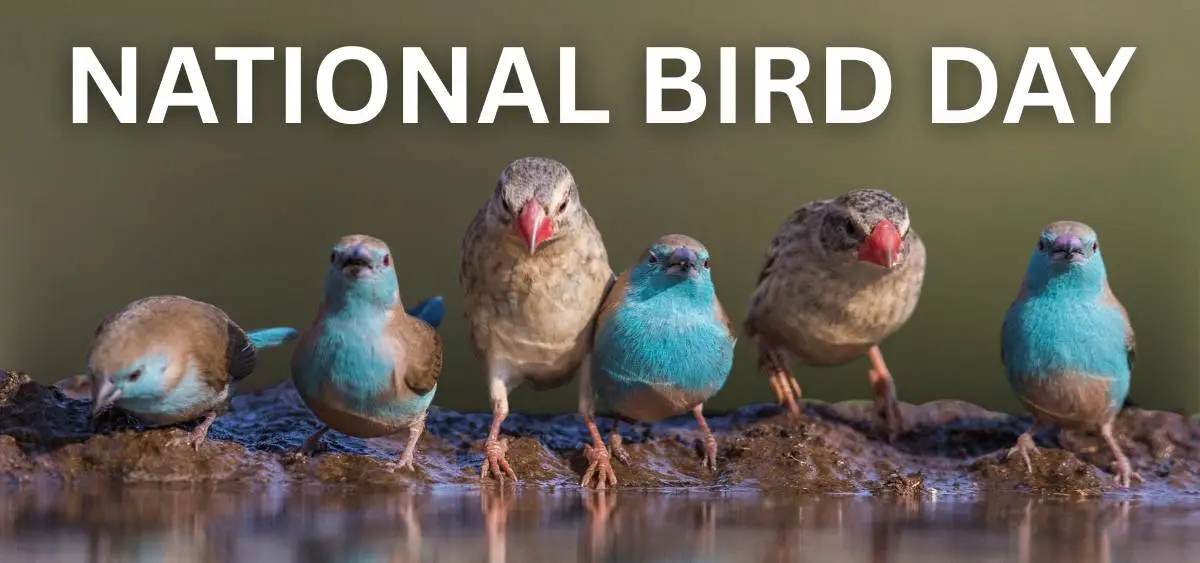

Ever stopped during a walk just to watch a group of birds dance across the sky? They have a way of turning simple moments into something magical. National Bird Day is our chance to appreciate these amazing creatures that bring color, music, and calm to our world. On January 5, 2026, let’s take a moment to celebrate them and remember why protecting birds matters, before we lose more of them.
A Quick Dive into the History of National Bird Day
National Bird Day first began in 2002 when the Avian Welfare Coalition partnered with Born Free USA. They wanted to bring attention to the suffering of wild birds, especially those caught in illegal trade or losing their homes due to habitat destruction. To inspire people to take action, they created a special day dedicated to bird protection. Since then, National Bird Day has been celebrated every year on January 5 in the United States.
The date was chosen for a reason, it aligns perfectly with the end of the Christmas Bird Count, one of the world’s biggest citizen-science projects, where people report bird sightings to help track population trends. As the count ends, National Bird Day begins, turning collected data into real conservation action.
More than twenty years later, the day has evolved into a global reminder to care for birds and protect wildlife. In 2025, the U.S. President even signed a bill officially recognizing the bald eagle as the national symbol, celebrating strength and freedom, values that match the spirit of the day.
Looking ahead to National Bird Day 2026, we can expect stronger campaigns against bird extinction, along with more educational events, awareness programs, and fun activities that inspire people of all ages to protect our feathered friends.
Why National Bird Day Matters? The Stark Stats on Bird Species
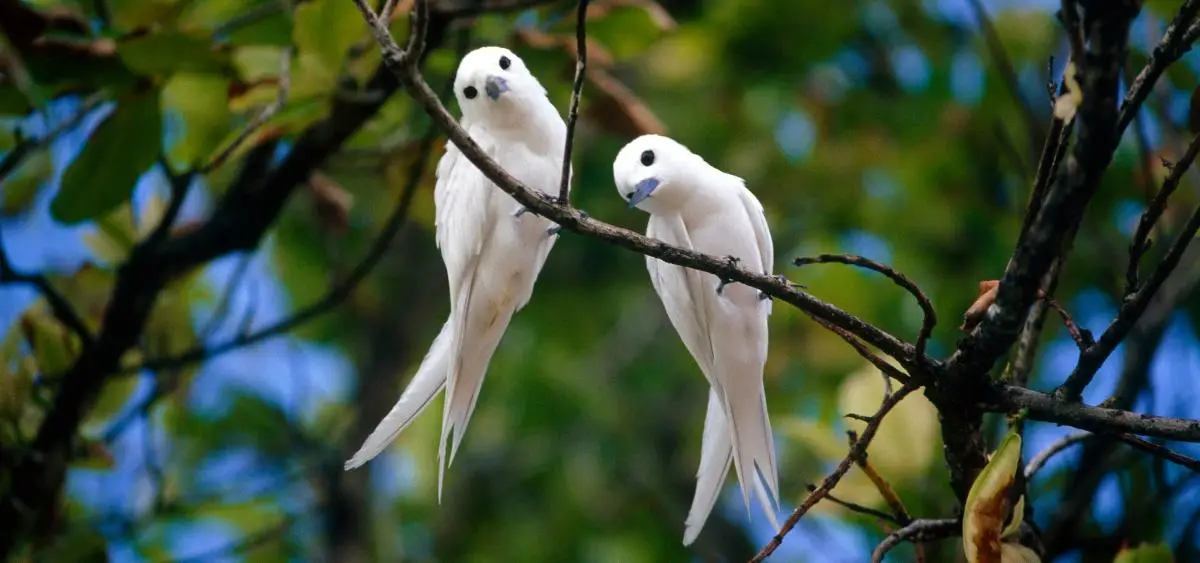
Birds keep our planet humming. They scatter seeds, hunt pests, and pollinate blooms. Yet threats like habitat loss, climate shifts, and pollution push many toward the brink. Imagine, Over 10,000 bird species share Earth with us, but more than half now face steep declines. In North America alone, nearly three billion birds have vanished since 1970, that’s a 30% drop.
The numbers hit harder when you zoom in. The 2025 State of the Birds Report shows over 100 species have lost at least half their numbers in the past 50 years. Globally, experts predict 500 bird species could vanish in the next century, driven by deforestation and warming temperatures. Nearly 12% of all avian kinds teeter on endangered lists, from the vibrant macaw to the humble sparrow. These losses ripple out. Without birds, ecosystems falter, crops suffer, and our skies grow silent.
National Bird Day flips the script. It fuels bird awareness and spotlights simple wins, like curbing the exotic pet trade that traps millions in cages. Think isolation, poor diets, and clipped wings, harsh realities for parrots and finches. By joining in, bird lovers champion bird rights and push for stronger protections. It’s not just about saving birds; it’s about honoring their role in our shared environment.
Fun Facts to Spark Your Inner Birdwatcher
Who says learning can’t be a hoot? Dive into these quirky tidbits about our winged neighbors. They’ll make you grin and maybe grab binoculars for your next outing.
- Hummingbirds hover like tiny helicopters. They flap wings up to 80 times a second and even fly backward. No other bird pulls that off.
- Owls twist heads nearly 270 degrees. Spot prey without budging? That’s their superpower for stealthy hunts.
- Flamingos owe their rosy glow to shrimp snacks. Without that pigment-packed diet, they’d fade to gray, talk about a fashion faux pas!
- Penguins ditch flight for speed swims. Some zip underwater at 15 miles per hour, outpacing many fish.
- Crows play mind games. If they sense eyes on their food stash, they’ll relocate it later. Sneaky geniuses of the treetops.
Birdwatching tops baseball in U.S. popularity. Over half a million enthusiasts log sightings yearly, turning hobby into habitat heroes. For National Bird Day 2026, these facts could kick off family chats or social shares. Who knows? You might spot your first rare find.
Ways to Celebrate National Bird Day 2026
Ready to make a difference? National Bird Day thrives on action. Start small, dream big. Here are easy ideas to protect wildlife and boost bird care.
Birdwatching calls first. Head to a local park with a field guide. Log species via apps like eBird, your data aids researchers tracking declines. Families love crafting feeders from pinecones slathered in peanut butter and seeds. Hang them high, watch the visitors roll in.
Dive into bird education. Read tales of feathered adventures or stream docs on rescues. Host a backyard “bird bash” with songs and sketches, kids adore mimicking owl hoots. Support sanctuaries too. Donate, volunteer, or adopt a bird ethically. Skip impulse buys from shady sellers; choose rescues instead.
Advocate loud. Share #NationalBirdDay posts urging bird habitat safeguards. Push for cat bells to cut predation or window decals against fatal crashes. In 2026, tie in themes like “Bird-Friendly Cities” from events like International Migratory Bird Day. Every step weaves stronger nets for endangered birds and their homes.
Conclusion
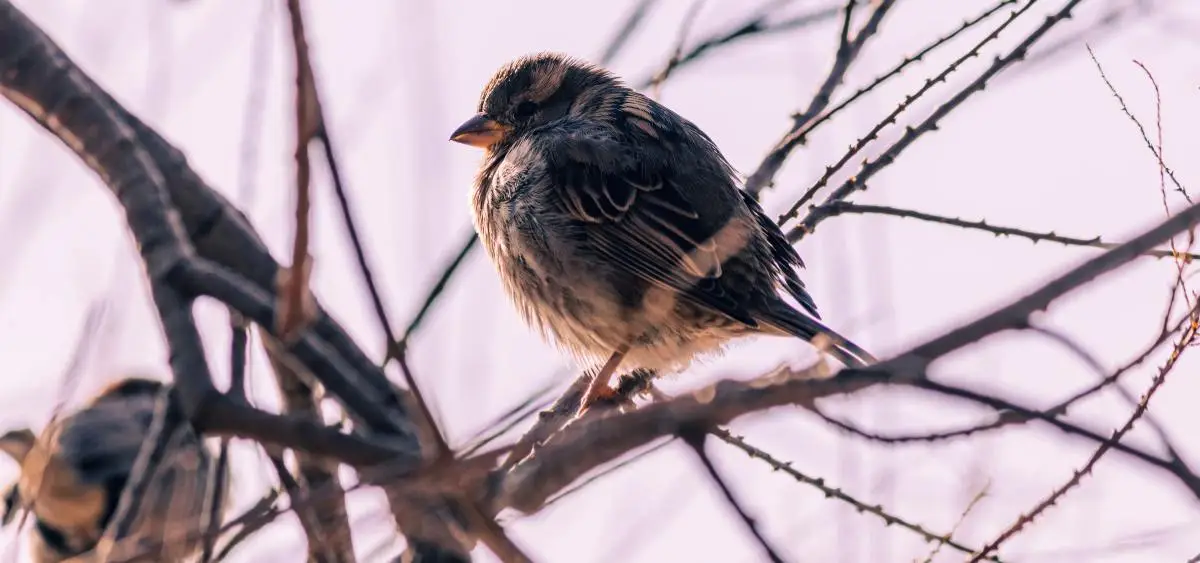
National Bird Day isn’t a one-off. It’s a spark for ongoing bird rescue and environmental stewardship. As we eye 2026, remember, Our choices shape tomorrows. Plant natives, cut plastics, speak for the voiceless. Your voice joins millions in the fight against bird extinction. So, what will you do on January 5? Step outside. Listen close. Those wings beat for us all. Share your plans in the comments, let’s flock together for brighter, bird-filled days. written by, Harshita Gupta.
Also, read: What Is Bioleather? Know everything- Pros, Cons & Myths!
Also, read: Microplastic: What Is It and Why Is It Dangerous?
Also, read: Meet Goliath Birdeater: The Monster Spider of the Amazon!
Also, read: A Simple Guide to Creating Sustainable Hotels!
Also, read: This Startup is Turning Textile Trash into Sustainable Treasure- meet FABBRICKS
Also, read: What Makes Organic Linen a Must-Have for Eco-Lovers?