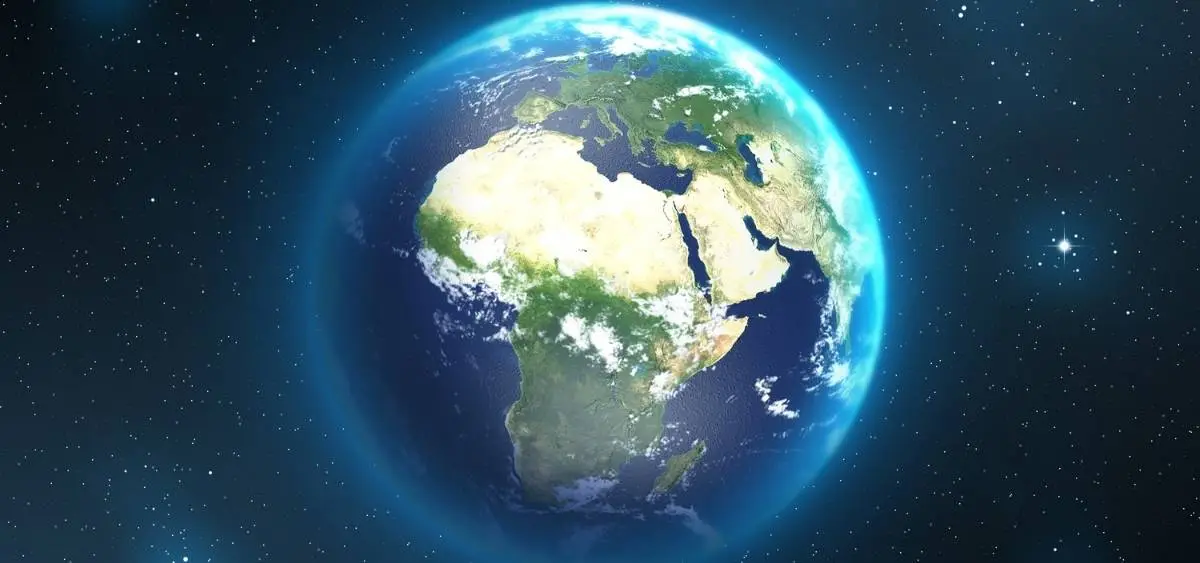

Earth Overshoot Day marks a critical moment each year. It’s the date when humanity uses up all the natural resources Earth can regenerate in one year. In 2026, this day falls on July 24. This means we exhaust nature’s budget in just over seven months, living in an ecological deficit for the rest of the year. Why does this date keep creeping earlier? Let’s break it down and explore what it means for our planet and how we can act.
What Is Earth Overshoot Day?
Earth Overshoot Day shows when humanity’s demand for ecological resources exceeds what Earth can renew. Think of it like a bank account. Earth provides a yearly budget of resources, forests, water, crops, and more. When we use these faster than the planet can replenish them, we go into debt. This global overshoot creates an ecological debt day, where we borrow from future generations by depleting stocks and polluting the environment.
The date is calculated simply. Experts divide Earth’s biocapacity, the total resources it can produce in a year, by humanity’s ecological footprint, which measures our consumption. They multiply this by 365 to find the day we overshoot. In 2025, Earth Overshoot Day fell on July 24, the earliest date recorded in recent years and eight days earlier than in 2024.
As of 2026, the official Earth Overshoot Day date has not yet been announced, but experts warn that humanity continues to consume resources at a rate equivalent to nearly 1.8 Earths. This ongoing trend highlights a growing overconsumption crisis, where global demand increasingly exceeds what nature can sustainably provide.
If current consumption patterns continue, Earth Overshoot Day 2026 is expected to occur once again in late July, underscoring the urgent need for sustainable living, renewable energy adoption, and responsible resource management worldwide.
Why Does It Keep Getting Earlier?
Back in the 1970s, Earth Overshoot Day landed in late December. Humanity lived closer to Earth’s limits. Now, we need about 1.8 Earths to sustain our current lifestyle all year. Why the shift? Population growth, rising consumption, and inefficient resource use drive this change. We cut down forests, overfish oceans, and emit more carbon dioxide than ecosystems can handle. Climate change and overshoot are linked, our carbon footprint alone demands vast land to absorb emissions.
The numbers tell a stark story. Data shows humanity’s demand now equals 1.7 to 1.8 Earths, and we’re on track to need two planets by mid-century if trends continue. Soil erosion, species loss, and deforestation are growing signs of natural resource depletion. These aren’t just environmental issues. They spark economic stress, like rising food prices, and social conflicts over scarce resources.
The Impact of Overshoot
Global ecological overshoot affects everyone. It strains planetary boundaries, the safe limits for Earth’s systems. When we overuse resources, we harm ecosystems. Forests shrink, fisheries collapse, and carbon builds up, fueling climate change. This ecological debt day isn’t just a concept, it’s a warning. Food shortages, higher costs, and biodiversity loss hit communities worldwide. For example, Switzerland’s Overshoot Day in 2025 was May 7, showing how some nations overshoot much earlier due to high consumption.
Yet, there’s hope. In 2020, global lockdowns delayed Overshoot Day to August 22, proving change is possible. This wasn’t ideal, crises aren’t solutions, but it showed that shifting habits can make a difference. The challenge is to act intentionally, not wait for disasters.
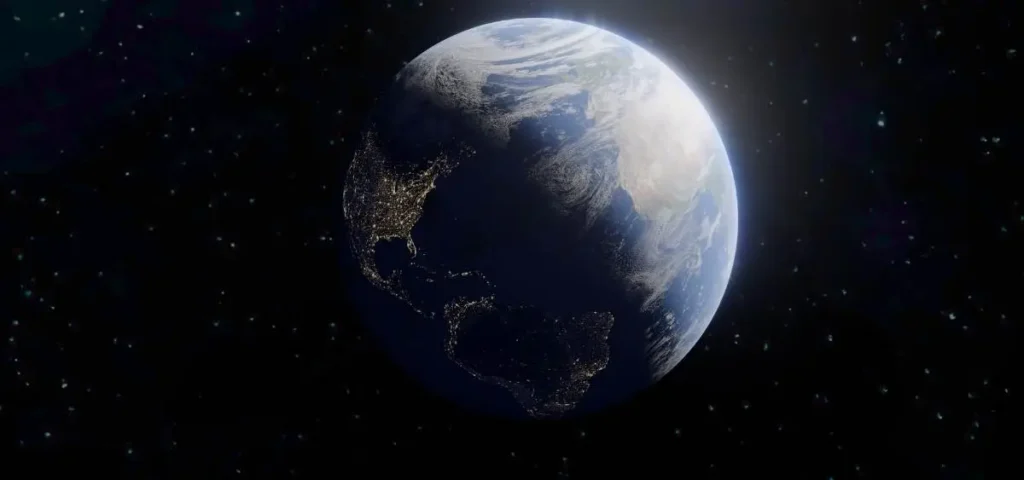
How to Reduce Your Footprint
You can help push back Earth Overshoot Day. The Move the Date campaign encourages everyone to live within Earth’s limits. Small actions add up. Here are practical overshoot day solutions:
- Cut energy use: Switch to LED bulbs, unplug devices, and choose renewable energy. This lowers your carbon footprint.
- Eat smarter: Reduce meat consumption, especially beef, which demands heavy resources. Try plant-based meals a few times a week.
- Waste less: Compost food scraps, recycle, and avoid single-use plastics. This eases pressure on landfills and resources.
- Support sustainability: Buy from companies committed to environmental sustainability, like those using responsibly sourced materials.
The Footprint Calculator, available in multiple languages, lets you measure your personal ecological footprint. It shows how many planets your lifestyle requires and offers tailored tips to reduce it. Collective action matters too. Businesses and governments can scale up solutions, like investing in green energy or protecting forests, to move the date later.
The Move the Date Campaign
The Move the Date campaign inspires action to delay Earth Overshoot Day. It’s about living within Earth’s limits by promoting sustainability awareness. You can join by exploring solutions on interactive maps or sharing projects that balance human needs with nature’s capacity. From urban gardens to renewable energy projects, these efforts show the power of possibility. The goal? Push the date to December 31 or beyond, where we use only what Earth can renew.
Why It Matters?
Earth Overshoot Day isn’t just a date, it’s a call to action. It highlights the overconsumption crisis and its link to climate change, biodiversity loss, and resource scarcity. By understanding overshoot’s meaning, we see the stakes. Living beyond planetary boundaries risks our future. But every choice counts. Reducing your footprint, supporting sustainable policies, and spreading awareness can shift the trend.
Let’s act now. Explore your ecological footprint, try one new sustainable habit, and share what you learn. Together, we can move Earth Overshoot Day later and build a future where we thrive within Earth’s limits.
FAQs
When is Earth Overshoot Day observed?
The date changes every year depending on global consumption and ecological trends. It has been getting earlier in recent decades.
Who calculates Earth Overshoot Day?
The Global Footprint Network, an international research organization, calculates and announces the date annually.
What does it mean to “Move the Date”?
“Move the Date” is a campaign encouraging individuals, businesses, and governments to take action to push Earth Overshoot Day later each year.
How is Earth Overshoot Day calculated?
It’s calculated by dividing Earth’s biocapacity (the resources it can produce yearly) by humanity’s ecological footprint (our resource consumption). This ratio is multiplied by 365 to find the day we overshoot. Data from global research shows we currently need about 1.8 Earths to sustain our lifestyle all year.
Does every country have its own overshoot day?
Yes, each country has a different national overshoot day based on its population’s consumption and available resources.
Can we actually reverse ecological overshoot?
Yes, with systemic changes and individual action, humanity can reduce its footprint and live within Earth’s means.
Also, read: Discover How This Company Purifies Water with Nature’s Touch!
Also, read: What Are Sustainable Development Goals? Why Are They Important
Also, read: Is Solar Power for House Really Worth It? Here’s What You Need to Know
Also, read: 7 Yummy Vegan Breakfasts You Can’t Resist!
Also, read: 10 Must-Have Indoor Plants for Positive Energy!