Every June 22, people across the globe gather to celebrate World Camel Day, a special occasion dedicated to the remarkable camel. On World Camel Day 2025, which falls on a Sunday, we’ll continue to shine a spotlight on these incredible animals, known as the “ships of the desert.” From their role in desert life to their cultural significance, camels deserve our admiration and protection. Let’s explore the importance of World Camel Day, why we celebrate it, and how you can join the festivities!
What is World Camel Day?
World Camel Day is celebrated every year on June 22 to recognize the incredible role camels play in human life, nature, and local economies across the world. The day spreads awareness about the need to protect camels, preserve fragile desert ecosystems, and support the communities that depend on camel herding for their livelihood.
In many countries across Asia, Africa, and the Middle East, camels are still an essential part of daily life, helping people with transportation, farming, food production, and traditional cultural practices. The occasion also reminds the world about endangered camel species and the importance of sustainable livestock practices in a changing climate.
Why We Celebrate World Camel Day?
Camels are vital to millions, especially in arid regions. They provide milk, meat, and wool, supporting communities and rural livelihoods. Their role as sustainable desert transportation makes them eco-friendly alternatives to vehicles, producing minimal emissions. Camels also hold deep cultural value, appearing in stories, proverbs, and festivals across desert communities.
Celebrating World Camel Day raises, World Camel Day awareness about these animals’ often-overlooked contributions. It’s a chance to advocate for their conservation, especially since wild camels, like the Bactrian Camels, are critically endangered.
The Significance of Camels in Desert Life
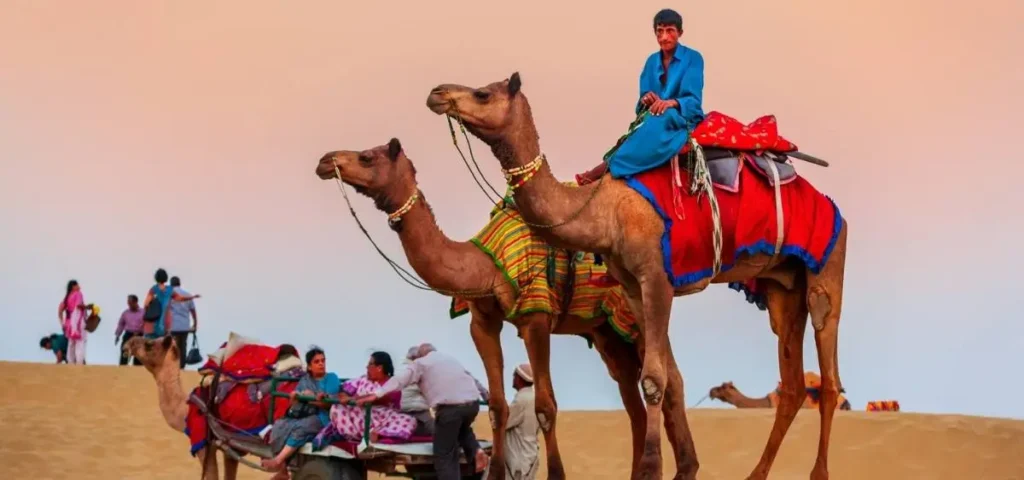
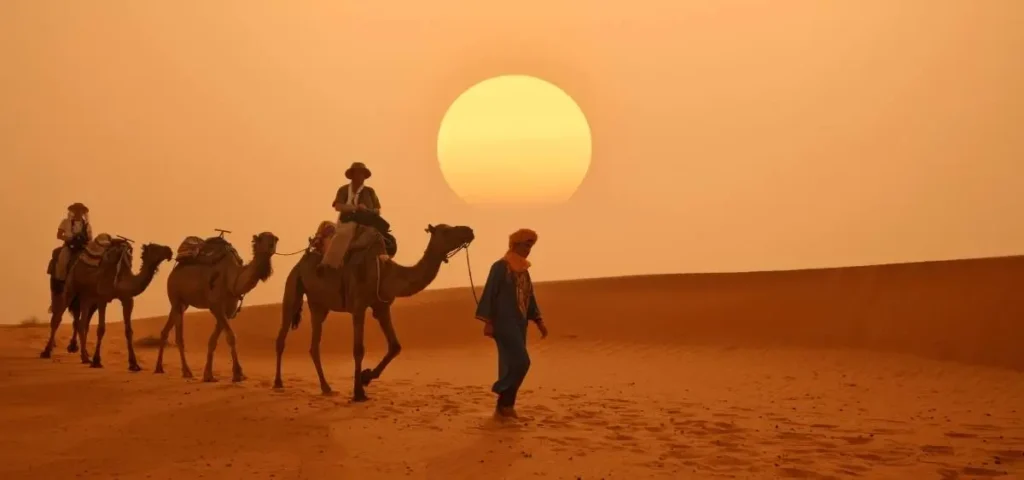
The significance of camels in desert life cannot be overstated. Camels are often called the ‘ships of the desert‘ because they’re perfectly built for life in hot, dry places. Their big, soft feet help them walk easily on sand without sinking, and their humps store fat, not water, which gives them energy for long trips. They can go for days without drinking water, which makes them the perfect travel partner in the desert.
In regions like Mauritania, camels are central to food security, providing nutritious milk and meat. Their low ecological footprint makes them a sustainable livestock choice, as noted in global discussions.
Fascinating Camel Facts for World Camel Day
Here are some camel facts for World Camel Day to spark your curiosity:
- Camels have three eyelids and two rows of eyelashes to shield their eyes from sand.
- They can close their nostrils to block dust during storms.
- Camels have big, flat feet that work like natural shoes, helping them walk easily on soft sand.
- Their humps aren’t for water, they store fat, which helps them stay cool in the heat and warm in the cold.
- when they find water, they can drink up to 40 gallons at once to fully rehydrate!
These adaptations make camels climate-resilient animals, perfectly suited to survive and support humans in challenging climates.
Camels and Climate Change
Camels and climate change are closely linked. As the climate keeps changing, camels are becoming more important than ever. They can survive in hot, dry places where other animals struggle. Because they don’t need much food or water, camels are a smart, eco-friendly option for farming and transport, especially in areas hit hard by climate change.
By celebrating World Camel Day, we acknowledge camels’ potential to help communities adapt to environmental changes, reinforcing their role as camels as climate-resilient animals.
Nature’s eco-friendly desert ride
For centuries, camels have been the go-to animals for getting around in the desert. They’ve helped people carry goods across hot, dry lands, even the US Army used them in the 1850s! Today, camels are still a smart and eco-friendly choice in places where cars and trucks can’t go easily. They don’t need much water or food, which makes them perfect for the desert and helps reduce harm to the environment. That’s why they’re still important for sustainable travel and trade.
Camel Conservation Efforts
Camel conservation efforts are critical, especially for wild camels. The wild Bactrian camel, found in Mongolia, is an Evolutionarily Distinct and Globally Endangered (EDGE) species. Organizations like the Zoological Society of London (ZSL) etc. work to protect these populations through conservation programs. World Camel Day amplifies these efforts, urging policymakers to prioritize camel protection.
World Camel Day 2026: Theme and Focus
The theme of World Camel Day 2026 highlights the important role camels play in supporting communities, especially in dry and desert regions affected by climate change. It focuses on how camels help provide food, transportation, and income to millions of people around the world. The theme also raises awareness about protecting indigenous camel species and preserving traditional camel herding practices that are deeply connected to cultural heritage and sustainable living. As climate challenges continue to grow, camels are being recognized as resilient animals that can help support livelihoods in harsh environmental conditions.
Camels and Rural Livelihoods
Camels and rural livelihoods are deeply intertwined. In desert communities, camels provide income through milk and meat production. In Rajasthan, India, camels are even a national symbol, supporting herders and local economies. Events like camel safaris and parades, as seen in Jodhpur, highlight their economic and cultural value, fostering community pride.
Camel Day Educational Activities
Camel Day educational activities engage people of all ages. Schools participate in World Camel Day events, learning about camel adaptations and conservation. Zoos, such as London Zoo, offer daily talks about camels’ unique traits and threats. These activities inspire curiosity and action to protect camels.
Camel in Culture and Tradition
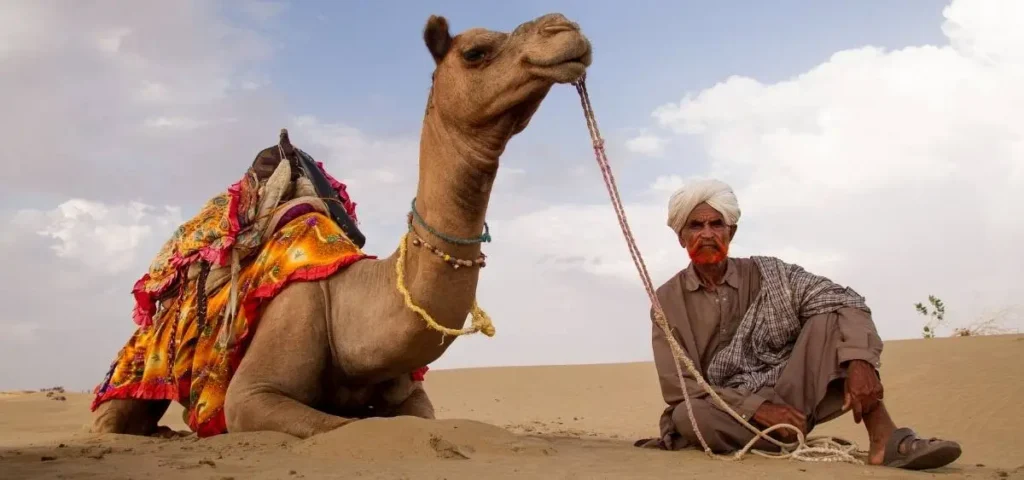
Camel in culture and tradition is profound. From Bedouin tribes in the Middle East to nomadic herders in Central Asia, camels symbolize endurance and loyalty. Proverbs like “Trust in God, but tie up your camel” reflect their cultural wisdom. In Rajasthan, the camel was the election symbol of Maharaja Hanwant Singhji, underscoring its historical significance.
How to Celebrate World Camel Day
Wondering how to celebrate World Camel Day? Here are some ideas:
- Visit a Zoo or Sanctuary: Learn about camels at places like London Zoo, where you can meet Bactrian camels Genghis and Noemie.
- Join Local Events: Attend camel safaris or parades, like those in Jodhpur, starting at historic sites.
- Share on Social Media: Post camel facts or World Camel Day posters to spread awareness. You can share this blog too so that your friends and relatives can also know about the importance of Camels.
- Support Conservation: Donate to organizations to protect wild camels.
- Learn More: Read about camels’ role in history and sustainability.
These actions make World Camel Day a meaningful celebration for everyone.
Camel Care and Health Awareness
Camel care and health awareness is a key focus. Camel milk, praised for its nutritional benefits, is considered a natural remedy in many cultures. Proper veterinary care, nutrition, and sustainable farming practices ensure camels’ well-being, supporting both animals and communities. World Camel Day events often highlight these practices, as seen in Bikaner, India.
Conclusion
World Camel Day is more than a celebration, it’s a call to action. On June 22, 2026, let’s honor the “ships of the desert” by learning about their contributions, supporting conservation, and celebrating their cultural legacy. Whether you’re sharing a camel fact, joining a local event, or advocating for sustainability, every step helps preserve these remarkable animals for future generations.
Also, read:
World Ocean Day: Celebrating the Blue Heart of Earth
(11 June) International Lynx Day: Protecting the Silent Hunters
Super El Nino: Is the World Facing Major Climate Crisis Now?
Shopping Addiction: Why Dopamine Makes You Overbuy Clothes?
Top 7 Sustainable Fashion Influencers on Instagram in 2026
FAQs
1. Why do we celebrate World Camel Day?
It is celebrated to highlight the role of camels in supporting the livelihood of desert communities, and to promote their conservation and sustainable use.
2. Who started World Camel Day?
World Camel Day was initiated by camel scientists and researchers to bring global attention to the value of camels in dry and arid regions.
3. What is the theme of World Camel Day 2026?
The theme of World Camel Day 2026 focuses on “climate change resilience, the socio-economic importance of camel herding, and the protection of indigenous camel species.”.
4. Why are camels called the “ships of the desert”?
Camels are called “ships of the desert” because they can carry people and goods across long distances in the desert, just like ships do on water.
5. How do camels help desert communities?
Camels provide milk, meat, wool, and transportation. They are a source of income and survival in harsh desert climates.
6. Are camels affected by climate change?
Yes, climate change affects camels too, but they are known for their strong ability to survive in extreme heat and dry conditions, making them key animals for future sustainable farming.
7. Are camels endangered?
Some camel species, like the wild Bactrian camel, are endangered due to habitat loss and overuse. Conservation efforts are important to protect them.
8. How can we celebrate World Camel Day?
You can celebrate by sharing camel facts, joining local or online events, supporting camel farmers, or learning more about camel conservation.