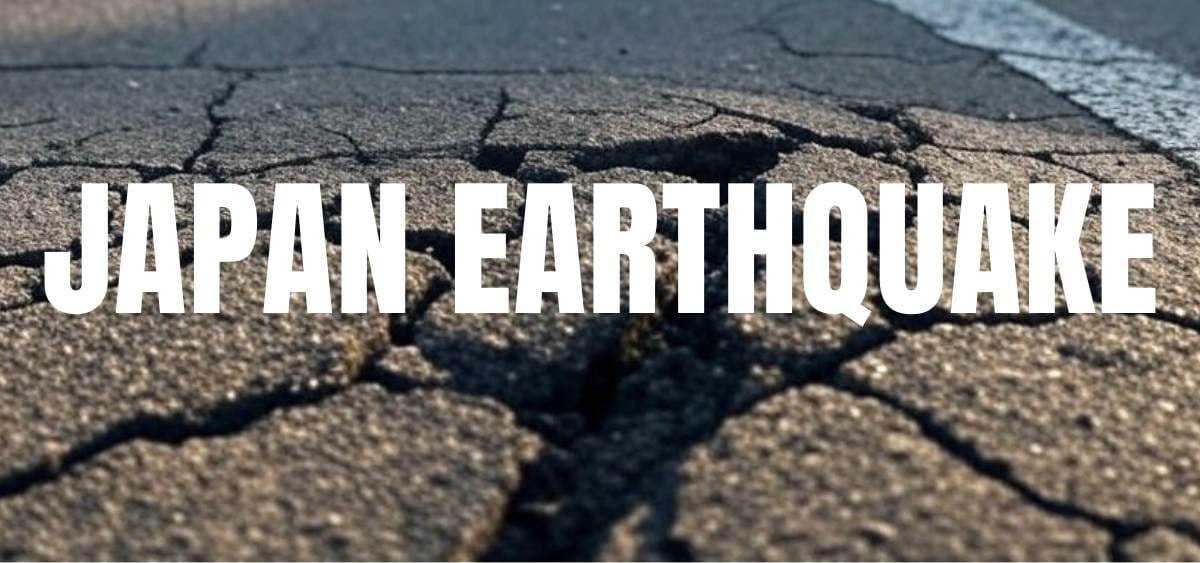

On April 2, 2025, at 7:34 PM IST, An earthquake with a magnitude of 6.0 rocked Kyushu, Japan. People in the area left their houses and buildings in fear as the earthquakes were felt throughout the area. But there haven’t been any reports of serious losses or damage as of yet.
Japan is a part of sesmically active “Ring of Fire” so earthquakes are common here. The country has taken several safety measures to safeguard its infrastructure and citizens. Japan’s Bullet train most commonly known as “Shinkansen” are built with earthquake sensor to detect sesmic activity and immediately stop in order to prevent accidents.
After the recent earthquake, authorities are closely monitoring the area for possible aftershocks and evaluating the consequences. Local officials advise citizens to be follow safety prcedures and excercise caution.
The recent bill of Japan allocated of US$133 billion over the next five years to improve earthquake preservance. Its purpose is to prepare for future seismic events and strengthen important infrastructure.
Safety Measures During Earthquakes
Being ready is crucial For those living in earthquake-prone regions like Japan. Here are some essential safety measures:
- Before an Earthquake: Secure heavy furniture to walls, have an emergency kit ready, and establish a family communication plan.
- During an Earthquake: Drop to your hands and knees, cover your head and neck, and hold on until the shaking stops. Stay away from windows and heavy objects that could fall.
- After an Earthquake: Check for injuries, be prepared for aftershocks, and follow official updates and instructions.
It is recommended to Japan visitors, to download earthquake alert apps like Safety Tips, Yurekuru Call, and NERV Disaster Prevention. These applications help users stay alarmed and act quickly when necessary by providing real-time notifications about earthquakes, tsunamis, and other emergencies.
Japan’s proactive approach to earthquake preparedness and response plays a significant role in minimizing damage and ensuring public safety during seismic events.
Also, read: The Truth About Climate Change: What They’re Not Telling You