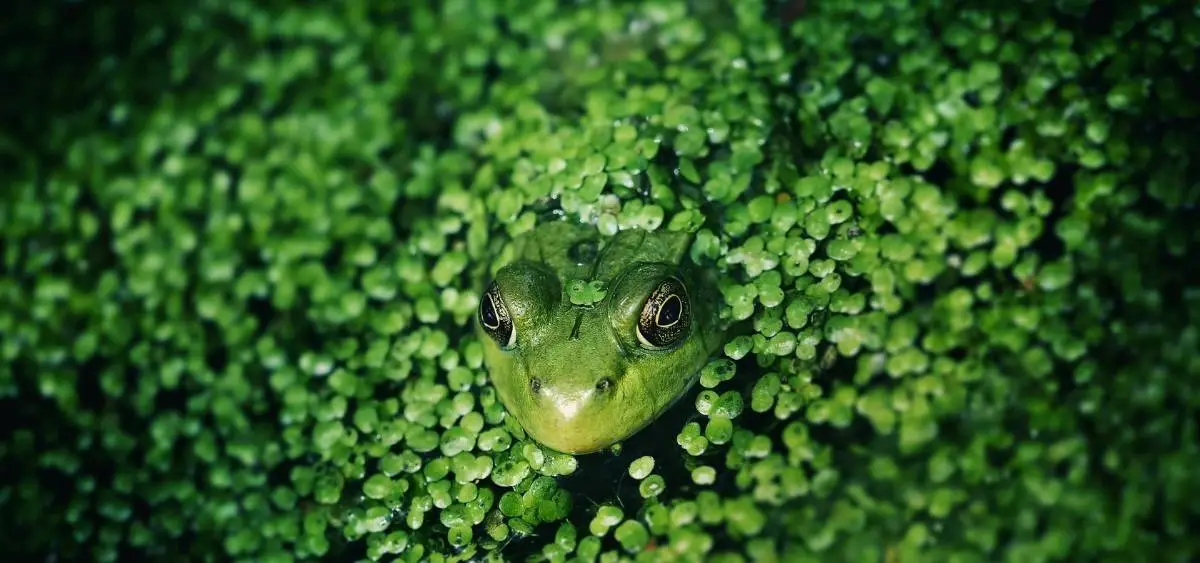

Duckweed is a small, floating plant that spreads quickly, forming a lush green layer on the surface of water bodies. Thanks to its natural ability to clean water, scientists see it as a powerful ally in fighting pollution and treating wastewater. Despite its tiny size, duckweed addresses major environmental challenges while offering an eco-friendly alternative to conventional methods.
Duckweed: Nature’s Answer to Polluted Rivers, Ponds, and Wastewater
Thriving in still or slow-moving, nutrient-rich waters, duckweed belongs to the Lemnaceae family and grows remarkably fast. It naturally absorbs excess nutrients like nitrogen and phosphorus, acting as an effective water purifier. Because of its sustainability and low cost, duckweed-based wastewater treatment is becoming increasingly popular. Unlike chemical treatments, this method harnesses the plant’s natural filtering ability without causing harm to ecosystems.
Recent research highlights duckweed’s impressive cleaning potential — it can remove up to 63% of boron from irrigation water and reduce Total Suspended Solids (TSS) by the same percentage in wastewater. Additionally, it helps lower levels of ammonia, heavy metals, and other toxins, making it a promising solution for cleaning ponds, rivers, and lakes. Beyond just purification, duckweed contributes significantly to environmental health and sustainability.
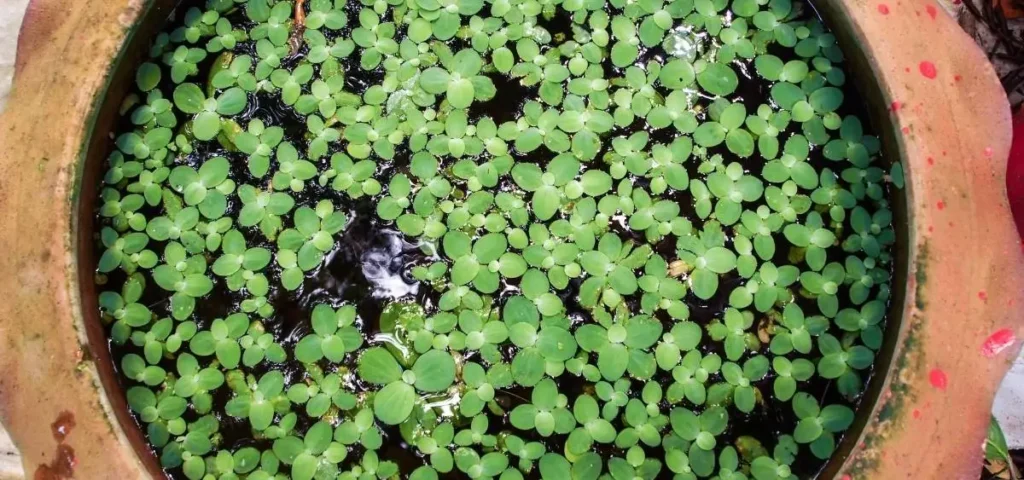
Why Scientists Are Choosing Duckweed to Clean Dirty Water
Although each duckweed plant is just a few millimeters long, together they form dense mats that block sunlight, reduce algae growth, and improve oxygen levels. With its ability to double in size every two days and trap pollutants effectively, duckweed is becoming an important tool in natural water purification. Its biomass is also rich in proteins, omega-3s, and other nutrients, making it useful as food or feed — adding to its appeal as a multifunctional resource.
Duckweed, a tiny floating plant, is proving to be a big solution for water pollution. Scientists prefer it because it’s fast-growing, adaptable, and highly efficient at removing pollutants. Acting like a natural sponge, duckweed absorbs harmful substances like ammonia, heavy metals, and even traces of pharmaceuticals from water. For example, studies show it can tolerate up to 2.0 mg/L of boron and remove anywhere from 19% to 63% of it, depending on contamination levels.
What makes duckweed even more appealing is its ability to grow in diverse climates, from tropical to temperate regions, and double its biomass in just two days. This rapid growth, combined with its minimal maintenance needs, positions duckweed as a sustainable alternative to energy-intensive treatment plants.
Duckweed Power: How Nature Fights Water Pollution
Duckweed naturally cleans water by absorbing excess nutrients like nitrogen and phosphorus, which are major contributors to algal blooms. By removing these nutrients, it prevents a process called eutrophication, where too many nutrients harm aquatic ecosystems. In fact, duckweed has been shown to cut total nitrogen and phosphorus levels in wastewater by up to 63% and 65% over a few weeks.
Besides nutrients, duckweed can also trap organic chemicals and heavy metals, protecting aquatic life and humans alike. Its simple but effective role in sewage treatment makes it especially valuable for rural and low-income regions where advanced technology isn’t available.
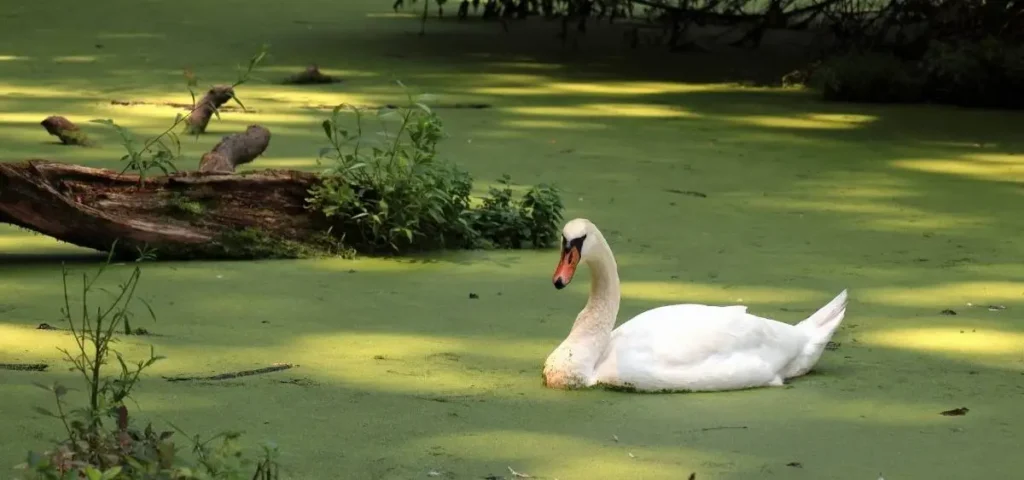
Can Duckweed Save Our Water Bodies? Here’s How
Duckweed acts as a living water filter. Floating on the surface, it draws up pollutants through its roots and stores them in its biomass. This is why regular harvesting is crucial — if left to decay in the water, the pollutants it stored can seep back in. In controlled tests, duckweed removed about 60% of biochemical oxygen demand (BOD) and 54% of chemical oxygen demand (COD), while reducing harmful bacteria by up to 96%. These results highlight its potential in restoring rivers, ponds, and other water bodies.
In small-scale settings like fish farms or agricultural ponds, duckweed has been used effectively to treat wastewater. It can absorb about 0.173 grams of nitrogen and 0.032 grams of phosphorus per square meter each day, significantly improving water quality. Farmers often use harvested duckweed as animal feed or biofuel, turning waste into a valuable resource and supporting a circular economy.
Conclusion
As researchers experiment with combining duckweed systems with technologies like microbial fuel cells, the future looks exciting. These innovations could enable duckweed to clean water and generate electricity at the same time, a breakthrough for sustainable communities. Affordable, chemical-free, and requiring only sunlight and water, duckweed is particularly valuable in developing regions where resources are limited.
Duckweed is more than just a floating plant. From restoring rivers to purifying wastewater, it offers a natural, sustainable solution to water pollution. Its ability to clean water while producing useful biomass makes it a win-win for people and the planet. With ongoing research and innovation, duckweed could become a key part of building a cleaner, greener future.
FAQs
1. Does duckweed grow in all climates?
Duckweed grows in many climates, from tropical to temperate regions. It’s very adaptable as long as water conditions are suitable.
2. How fast does duckweed grow?
Duckweed can double its biomass in just 1–2 days under good conditions, making it highly efficient for water treatment.
3. What happens to the pollutants absorbed by duckweed?
Pollutants stay stored in the duckweed’s biomass. That’s why it must be harvested regularly to prevent those pollutants from returning to the water.
4. Can harvested duckweed be used for anything?
Yes, harvested duckweed can be used as animal feed, biofuel, fertilizer, or even as a source of proteins and nutrients.
5. Is duckweed treatment better than traditional water treatment plants?
Duckweed is not a complete replacement for large treatment plants, but it’s a sustainable and affordable option for smaller or rural areas.
6. Does duckweed need special maintenance?
Duckweed is low-maintenance, but regular harvesting and monitoring are needed to keep it effective.
7. Is duckweed effective in flowing water?
Duckweed can grow in slow-flowing water, making it suitable for some rivers and canals, but it’s most effective in calm or controlled environments like ponds and lagoons.