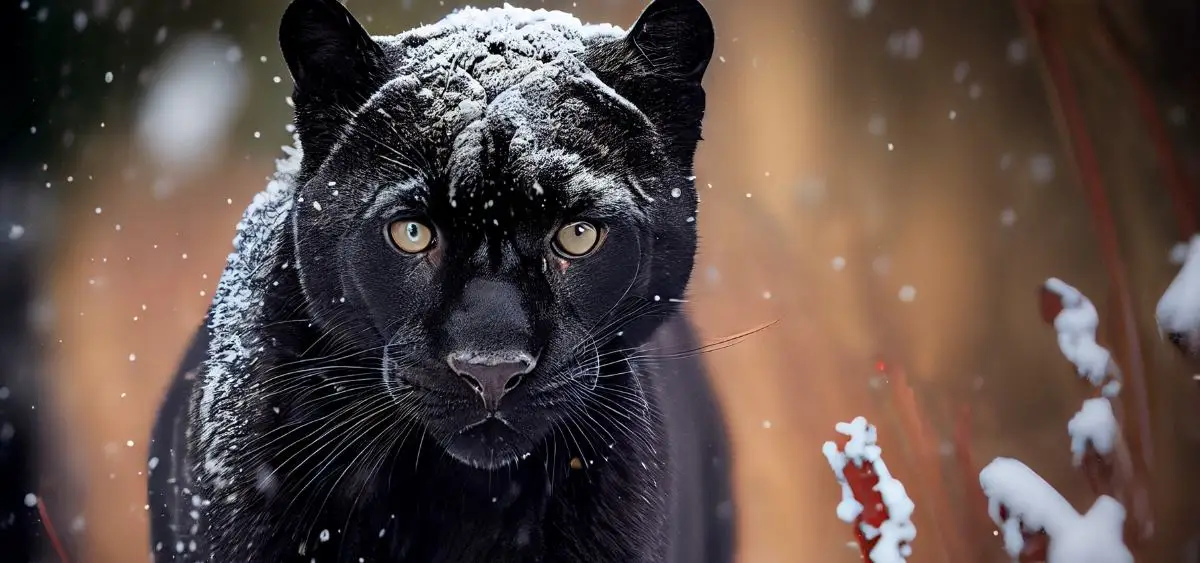

You’re walking through a thick forest at dusk. It’s getting dark. Suddenly, a shadow moves between the trees—completely black, silent, powerful. That’s the moment most people imagine when they think of a black panther.
For generations, people have talked about black panthers as if they were mysterious, almost magical animals. But the real story is just as fascinating and completely real. A black panther is not a separate species. It’s actually a melanistic leopard. In simple words, it’s a leopard with a genetic change that makes its fur very dark.
Melanism happens when an animal’s body produces extra melanin, the pigment that gives color to skin and fur. In leopards, this makes their coat so dark that their famous spots (called rosettes) are almost invisible. But if sunlight hits their fur at the right angle, you can still see those hidden patterns. It’s one of the most beautiful sights in the wild.
Panther vs Leopard: What’s the Difference?
Many people ask, “What’s the difference between a panther and a leopard?” The answer is simple. The word “panther” is often just another name for a leopard. A black panther is usually a leopard with a special genetic mutation. In the Americas, it can also refer to a black jaguar. But they are not a different species.
Both spotted leopards and black leopards belong to the same species: Panthera pardus. In fact, a black cub and a spotted cub can be born in the same litter if both parents carry the right gene.
In leopards, the melanism gene is recessive. That means both parents must pass it on for a cub to be black. In jaguars, the gene is dominant, so it spreads more easily. This small genetic difference explains why black big cats appear differently in different parts of the world.
The Genetics Behind the Black Coat
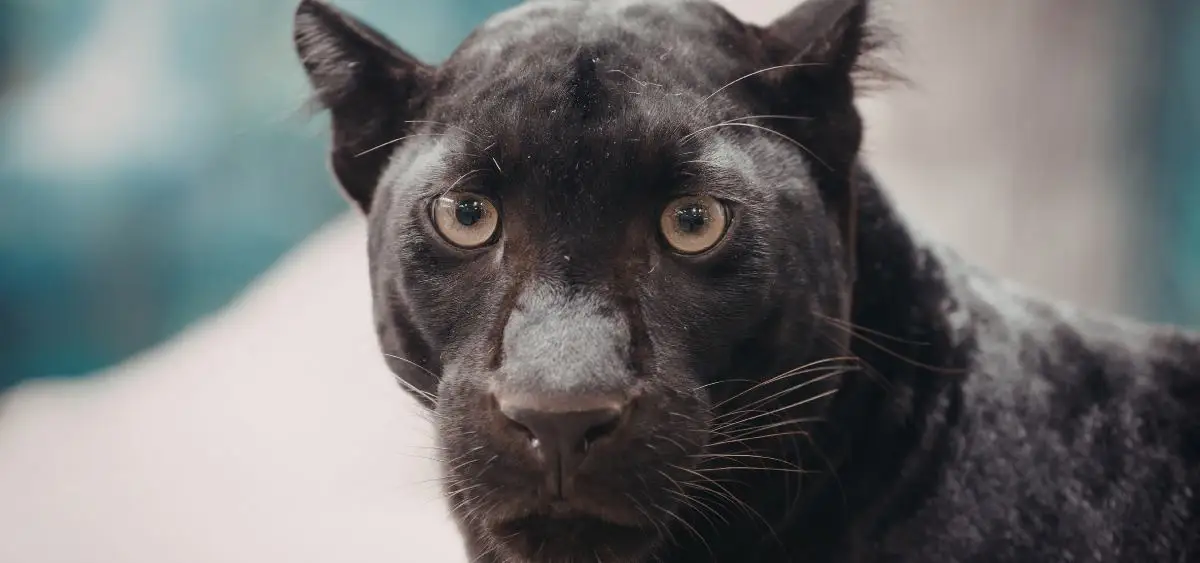
Scientists have studied big cats for years, and recently they made an important discovery. In 2025, researchers sequenced the genome of the Indian leopard and found a specific mutation in a gene called ASIP (Agouti-signaling Protein). This tiny change affects how pigment is controlled in the body.
Normally, this gene helps limit dark pigment. But when it mutates, it weakens that control. As a result, more dark pigment is produced, and the leopard’s coat turns black. In simple terms, a tiny change in DNA, just one small “letter” in the genetic code, can create one of the most stunning animals on Earth.
Why Do Black Panthers Live in Certain Places?
Black leopards are not found everywhere in equal numbers. They are more common in dense, shady forests. Why? Because their dark coat helps them blend perfectly into the shadows.
In thick rainforests, being darker can actually be an advantage. It helps them hunt at night or move through heavy vegetation without being seen. Studies suggest that around 10–11% of leopards worldwide are melanistic, but the percentage is much higher in tropical rainforests in Southeast Asia and parts of India.
In open grasslands or savannas, a black coat stands out too much. That’s why spotted leopards are more common there. Nature simply favors what works best in each environment.
Black Panthers in India
India is one of the best places in the world to see black leopards. The forests of Kabini in Karnataka are especially famous. Here, black leopards live alongside normal spotted ones.
There have been incredible sightings, like a spotted mother walking with her black cub, or two adult leopards moving calmly down a forest path together. Camera traps in parts of West Bengal have also captured rare images of black leopards, proving they still exist in different pockets of the country.
Because of this, black panther photography has become very popular. Wildlife photographers wait patiently for hours, sometimes days, hoping to capture the perfect moment when the light reveals the hidden spots under the dark fur.
Myth vs Reality
Over time, many myths have grown around black panthers. Some people think they are bigger or more dangerous than normal leopards. That’s not true. They are the same size and have the same strength as spotted leopards. The dark color can make them look larger in low light, but physically, they are no different.
Another myth says mother leopards reject black cubs. In reality, rejection, when it happens, is usually due to stress or health issues, not color. Black leopards may look mysterious, but they are simply a natural variation of the same species.
Conservation: Why They Need Protection
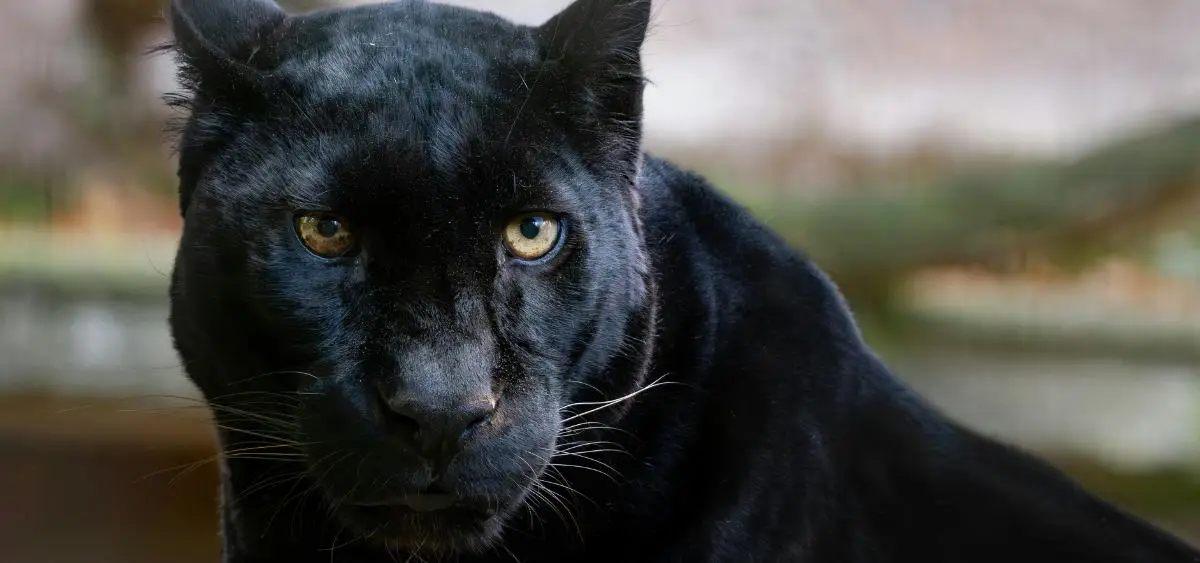
Even though they look rare and special, black leopards face the same threats as other leopards—habitat loss, poaching, and conflict with humans. Leopards are listed as Vulnerable in many regions.
Protecting forests is the key to protecting both spotted and black leopards. When forests remain connected and healthy, these animals can survive and thrive. Responsible wildlife tourism and ethical photography can also support local communities and encourage conservation.
Conclusion
The reason black panthers continue to fascinate us is simple: they combine science and beauty perfectly. One tiny genetic change turns a familiar leopard into something that feels almost magical.
But in the end, there’s no myth here. Just evolution at work. A black leopard moving silently through green forest shadows is not a legend, it’s nature’s creativity on display. And it’s our responsibility to make sure these rare and beautiful animals continue to walk the Earth for generations to come.
Also, read: World Fish Migration Day: Why Fish Travel Thousands of Miles
Also, read: From Bottles to Jackets: The Real Story of Recycled Polyester
Also, read: What to Plant in August for a Fresh Fall Harvest?
Also, read: How Does a house Sewage water Treatment Plant Work?
Also, read: Apple Leather: From Apple Waste to High-End Fashion!