
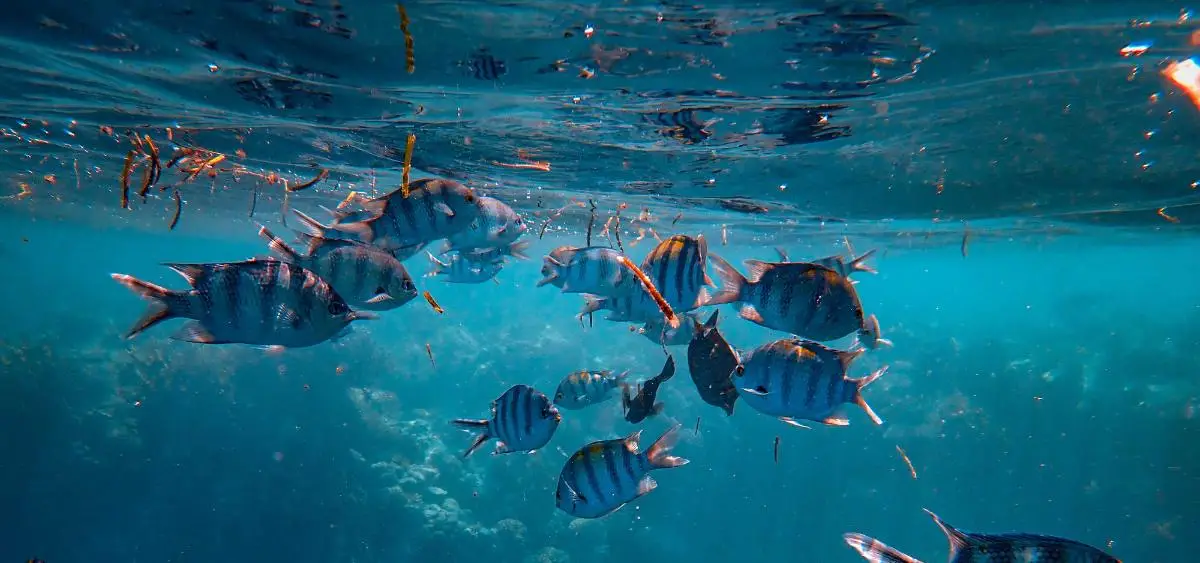

Imagine a silver salmon swimming strongly through fast, rushing water. It jumps high into the air to cross a waterfall. This fish has already traveled hundreds of miles from the open ocean. Now it is returning to the exact same river where it was born years ago. These amazing journeys happen every day in rivers around the world. On World Fish Migration Day, we stop to celebrate these journeys and understand why they are so important.
World Fish Migration Day 2026 will be held on May 23. This global event takes place every two years. It brings people together to learn about migratory fish and the free-flowing rivers they need to survive. The 2026 theme, “We Are River People,” reminds us that humans and rivers are deeply connected. Just like fish, we also depend on rivers for food, water, and life.
The Amazing Journeys of Migratory Fish
Fish migration is one of nature’s greatest wonders. Some fish travel between oceans and rivers. Others move long distances within freshwater systems. They migrate to find better places to grow, feed, or lay eggs.
For example, the Atlantic salmon is born in a cool freshwater stream. After growing for a short time, it travels to the ocean. There it spends years feeding and becoming stronger. When it is ready to reproduce, it swims back to the same river where it was born. Sometimes it travels more than 1,000 miles to return home.
Another example is the European eel. Its journey is the opposite. It is born in the Sargasso Sea. As tiny young eels, they drift across the Atlantic Ocean toward Europe. They live in rivers and lakes for many years, sometimes up to 20 years. When they are ready to reproduce, they swim all the way back to the Sargasso Sea, where they lay eggs and complete their life cycle.
Other fish like sturgeon, Mekong giant catfish, and paddlefish also travel long distances. These journeys are not random. Fish move to find the best water temperature, food supply, and safe places to lay eggs. During migration, they also carry nutrients from one place to another. For example, when salmon return from the ocean and later die in rivers, their bodies provide nutrients for insects, birds, bears, and even trees. In this way, fish help feed entire ecosystems.
Why Free-Flowing Rivers Are Important?
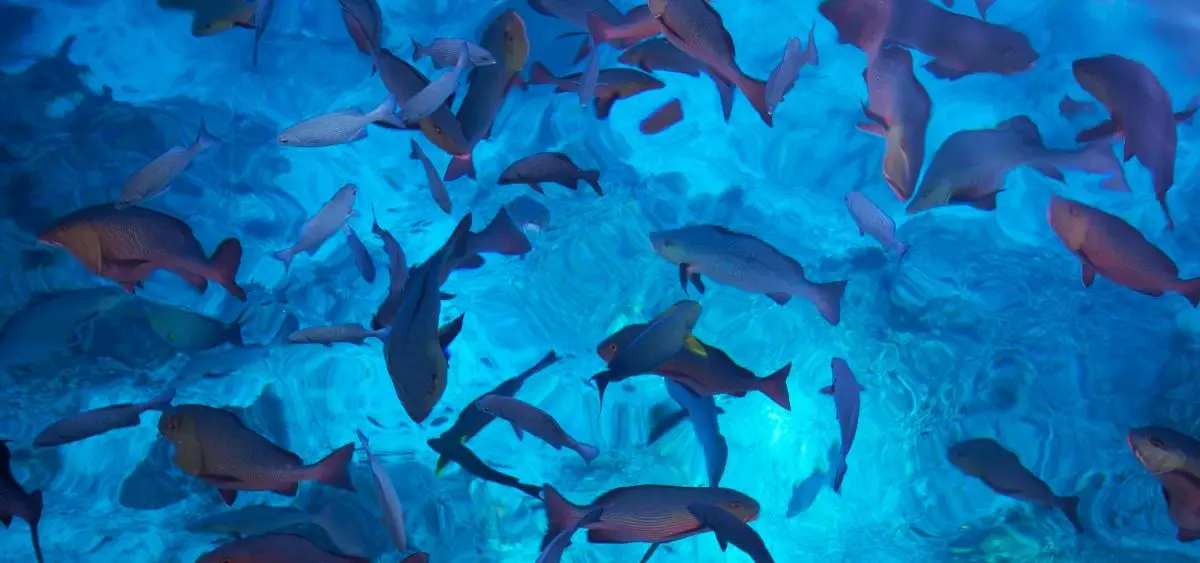
Healthy rivers are very important for migratory fish. When rivers flow freely without barriers, fish can travel safely to reach their breeding and feeding areas. Free-flowing rivers also support many other forms of life. Migratory fish help keep aquatic ecosystems balanced.
They support sustainable fisheries, which provide food and jobs to millions of people around the world. Rivers also clean water naturally, reduce soil erosion, and store carbon. They protect freshwater biodiversity by allowing plants and animals to move and adapt to changes like floods or droughts. In simple words, when rivers are connected and healthy, both nature and people benefit.
The Serious Decline of Migratory Fish
Sadly, migratory fish populations are decreasing at an alarming rate. Studies show that populations of migratory freshwater fish have dropped by more than 80 percent on average since 1970. In some regions, the decline is even worse.
There are several reasons for this decline. One major problem is dams and other river barriers. Dams block fish from reaching their breeding grounds. When fish cannot migrate, they cannot reproduce successfully. Over time, their populations shrink.
Overfishing is another serious issue. When too many fish are caught, there are not enough adults left to reproduce. Pollution also harms rivers. Chemicals, plastic waste, and untreated sewage make water unsafe for fish and other wildlife. Climate change is adding more pressure. Rising temperatures warm river water, and changing rainfall patterns affect river flow. In some areas, droughts reduce water levels. In others, floods become more extreme. When migratory fish decline, it affects entire food chains. Communities that depend on fishing for food and income also suffer.
River Conservation: Solutions That Work
There is hope. Many countries and communities are working hard to protect and restore rivers. One powerful solution is dam removal. In some parts of Europe and North America, old and unused dams are being removed. This allows rivers to flow naturally again and opens up hundreds of miles of habitat for fish.
In places where dams cannot be removed, fish passage solutions are used. These include fish ladders, fish lifts, and special channels that help fish swim around barriers safely.
Wetland restoration is another important step. Wetlands act like natural sponges. They filter water, reduce floods, and provide breeding areas for fish and other wildlife. Improving water quality by reducing pollution also helps fish populations recover.
Sustainable fishing practices are essential. Seasonal fishing bans during breeding times, catch limits, and protected areas give fish a chance to rebuild their numbers. When governments, scientists, and local communities work together, positive change is possible.
How You Can Help on World Fish Migration Day 2026
You do not need to be an expert to make a difference. World Fish Migration Day encourages everyone to take action in simple ways. You can join or organize local events such as river clean-ups, awareness walks, school programs, or online campaigns. Learning about the rivers near your home is also important. Find out which fish species live there and what challenges they face.
Support policies and leaders who promote river conservation and free-flowing rivers. Choose seafood that is sustainably sourced. Reduce plastic use and avoid throwing waste into water bodies. Even small actions at home can protect rivers.
Sharing information on social media using #WorldFishMigrationDay can help spread awareness. When more people understand the importance of fish migration, stronger action becomes possible.
Protecting Freshwater Life for the Future
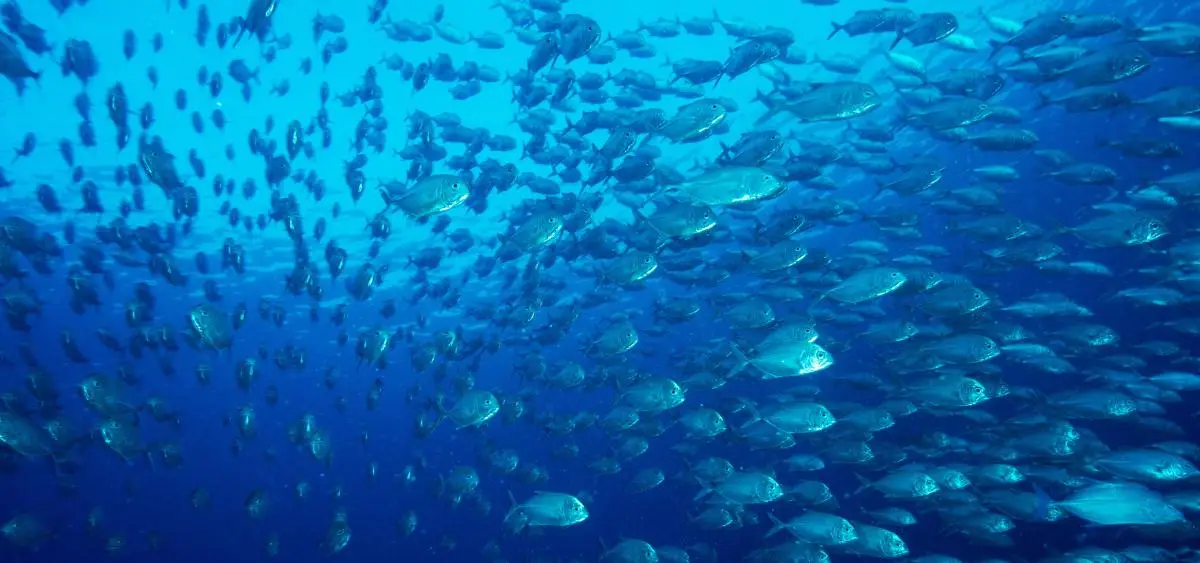
World Fish Migration Day is not only about fish. It is about protecting freshwater species and keeping water ecosystems healthy. Rivers are our lifelines. They provide drinking water, food, transportation, and cultural value. They also play an important role in fighting climate change.
By keeping rivers connected and clean, we help fish survive in a changing world. We also protect ourselves. Healthy rivers mean healthy communities. On May 23, 2026, take a moment to stand near a river, lake, or stream. Watch the water move. Think about the incredible journeys happening beneath the surface. Remember that we are all connected to rivers in some way.
Conclusion
We are river people. The future of migratory fish depends on the choices we make today. Let us protect free-flowing rivers, support conservation efforts, and ensure that future generations can still see salmon leap, eels return, and rivers flow wild and free. Save our rivers. Celebrate fish migration. Join the global movement on World Fish Migration Day 2026.
Also, read: This Company is Changing Uganda with Banana Fibers – TEXFAD
Also, read: 10 Must-Have Indoor Plants for Positive Energy!
Also, read: Why Organic Cotton is Better for You and the Earth?
Also, read: International Day for Biological Diversity: History and facts
Also, read: Composting: A Beginner’s Guide to Going Green
Also, read: From Bottles to Jackets: The Real Story of Recycled Polyester


