
Have you ever worn a soft fleece jacket and thought, “How did this even get made?” It might surprise you to know that your cozy jacket could have started its life as a simple plastic water bottle. Sounds strange, right? But that’s exactly the story behind recycled polyester, a fabric that gives plastic waste a second chance while trying to reduce pressure on our planet. Let’s break it down in simple, honest terms.
What Is Recycled Polyester?
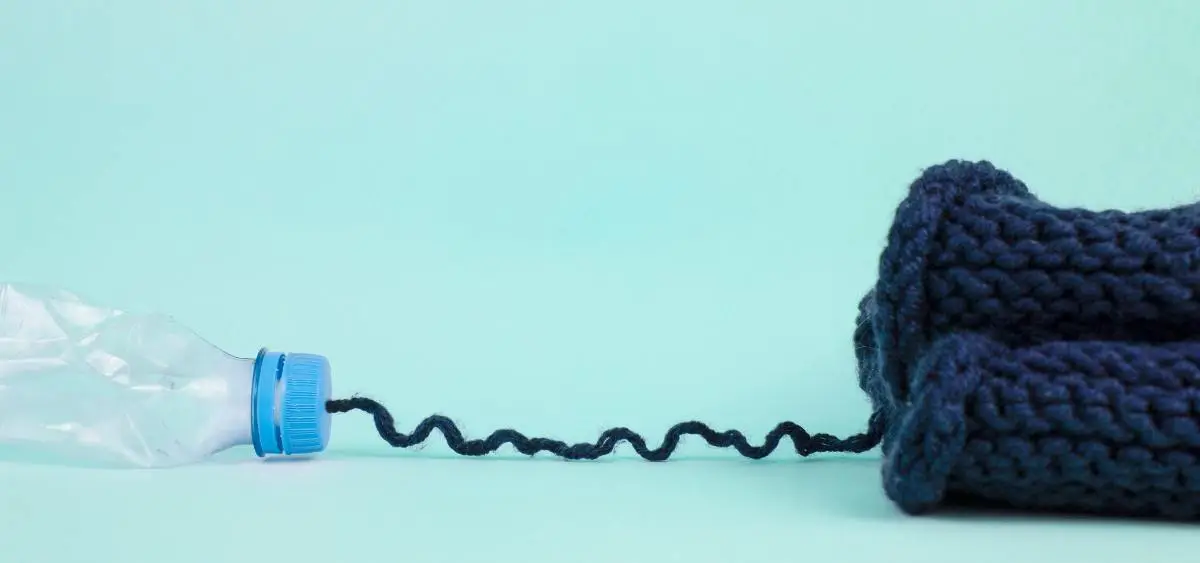
Recycled polyester, often called rPET, is a man-made fiber created from existing plastic. Most of the time, that plastic comes from used PET bottles, the same type of bottles that hold water and soft drinks. Instead of sending those bottles to landfills or letting them end up in oceans, they are collected, cleaned, melted down, and turned into new fibers.
These fibers are then spun into yarn and made into fabric. The final result looks and feels almost the same as regular (virgin) polyester. In fact, many people cannot tell the difference. Around five plastic bottles can produce enough fiber to make one T-shirt. That’s a powerful example of how everyday waste can become something useful and wearable.
How Does a Plastic Bottle Become Fabric?
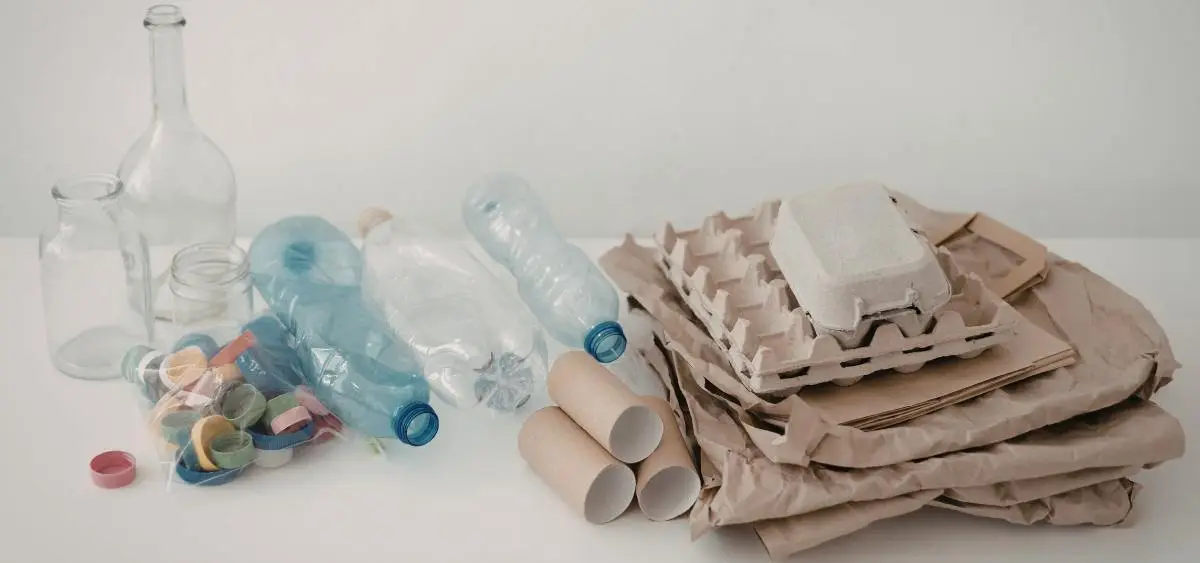
The journey from bottle to jacket isn’t magic, it’s a process. First, used plastic bottles are collected from recycling bins and waste centers. They are sorted carefully to make sure only the right type of plastic is used. Then they are washed to remove labels, dirt, and residue.
After cleaning, the bottles are chopped into small flakes. These flakes are melted at high temperatures and pushed through tiny holes to form thin strands, called filaments. Once cooled, these strands become fibers. The fibers are spun into yarn, and that yarn is woven or knitted into fabric.
There are two main ways this recycling happens:
- Mechanical recycling is the most common method. The plastic is melted and reshaped directly. It uses less energy, but over time the fiber quality can reduce if recycled repeatedly.
- Chemical recycling breaks plastic down to its basic building blocks before rebuilding it into new fiber. This can create higher-quality material and allows repeated recycling. However, it is more expensive and still not widely available.
Both methods help keep plastic out of landfills and oceans, even though each has its own limits.
Recycled Polyester vs Virgin Polyester
So how is recycled polyester different from regular polyester? Virgin polyester is made from petroleum, a fossil fuel. That means oil needs to be extracted from the earth, refined, and processed before it becomes fabric. This process uses a lot of energy and releases greenhouse gases. Recycled polyester skips the oil extraction step because it uses plastic that already exists. Studies show that recycled polyester can:
- Use 45–59% less energy
- Reduce carbon emissions by 30–70% (depending on how it’s produced)
- Lower demand for new fossil fuels
Global polyester production is massive. In recent years, production reached tens of millions of tonnes annually, and recycled polyester now makes up a growing share of that total. While it is still not the majority, the percentage continues to rise as brands commit to more sustainable targets. This shift shows progress, but there is still a long way to go.
Why Do Brands and Consumers Like It?
One big reason recycled polyester has become popular is simple: it performs well. It is:
- Strong and durable
- Lightweight
- Quick-drying
- Wrinkle-resistant
- Resistant to shrinking
- Good at holding shape
That’s why you’ll see it used in activewear, sportswear, jackets, leggings, backpacks, swimwear, and even home textiles like curtains and cushions, and it works well. Many outdoor and sports brands now use recycled polyester in large portions of their collections. It allows them to reduce waste while still offering performance clothing that customers trust.
The Real Benefits
Let’s talk about the real advantages, beyond marketing slogans.
- First, it helps reduce plastic waste. Every bottle turned into fabric is one less bottle sitting in a landfill or floating in water.
- Second, it reduces the need for new oil extraction. That means less dependence on fossil fuels.
- Third, it usually requires less water and energy compared to virgin polyester production.
- Fourth, it supports the idea of a circular economy, where materials are reused instead of thrown away.
Instead of a straight line (make → use → throw away), recycling creates a loop. These benefits matter, especially in a fashion industry known for waste and pollution.
Is Recycled Polyester Truly Eco-Friendly?
This is where things get more realistic. Recycled polyester is better than virgin polyester, but it is not perfect. While it reduces waste and fossil fuel use, it is still a synthetic fiber made from plastic. That means it still has environmental challenges. One major issue is microplastics.
When synthetic fabrics are washed, tiny plastic fibers can break off and enter water systems. These microfibers are too small to be filtered out completely and can end up in rivers and oceans. Research shows that both virgin and recycled polyester release microfibers during washing. Some studies even suggest that recycled polyester can shed slightly more fibers because the material may be weaker after recycling.
This doesn’t mean recycled polyester is bad, it just means it’s not a complete solution. Using washing bags that catch fibers, installing filters, washing less frequently, and designing tighter weaves can help reduce this issue.
The Challenges We Still Face
Let’s look at the honest disadvantages. Most recycled polyester today comes from plastic bottles, not old clothes. That means we are recycling beverage containers, but we are not fully solving textile waste yet. True “textile-to-textile” recycling (turning old clothes into new clothes) is still developing.
Mechanical recycling can weaken fibers after several cycles. Eventually, the material may not be strong enough to reuse again. Chemical recycling offers better quality, but it is costly and not widely scaled yet. And of course, microplastic pollution remains a serious concern for all synthetic fabrics. These challenges show that recycled polyester is part of the solution, not the final answer.
Recycled Polyester in Everyday Life
You probably own something made from recycled polyester without even realizing it.
- Yoga pants.
- Running shorts.
- Puffer jackets.
- Hoodies.
- School bags.
- Carpet fibers.
- Cushions.
- Soft toys.
Its moisture-wicking and shape-retaining qualities make it ideal for active lifestyles. It dries quickly and stands up to repeated washing, which means garments can last longer. Durability is important. The longer we use our clothes, the lower their overall environmental impact.
From Ocean Plastic to Clothing
Some brands go a step further by collecting plastic waste from oceans and coastlines. That plastic is cleaned and processed into fabric for jackets, backpacks, and shoes.
These initiatives help remove marine debris while raising awareness about plastic pollution. However, experts remind us that preventing plastic from entering oceans in the first place is even more important than cleaning it up later. Still, turning ocean waste into useful products sends a strong message: waste has value when managed correctly.
The Future of Recycled Polyester
The recycled polyester market continues to grow. New recycling technologies are being developed. Chemical recycling plants are expanding. More brands are setting public goals to increase recycled content.
Some companies now use blockchain tracking and third-party certifications to prove the percentage of recycled material in their garments. Transparency is becoming more important as consumers demand honesty. The future may include:
- Better textile-to-textile recycling
- Improved fiber strength
- Advanced washing filters
- Fabric designs that reduce shedding
- Blends with bio-based materials
Innovation is moving forward, even if progress takes time.
What Can You Do?
You don’t have to overhaul your entire wardrobe overnight. Next time you buy clothing, check the label. If you see recycled polyester or rPET, you’ll know the story behind it. Support brands that are transparent about their materials. Wash clothes in colder water and less frequently. Use microfiber-catching washing bags or filters if possible. Keep clothes longer instead of replacing them quickly. Small actions may feel insignificant, but collectively they matter.
Conclusion
Recycled polyester shows us something important: waste can become a resource. It is not a perfect fabric. It does not eliminate all environmental impact. But compared to virgin polyester, it reduces energy use, cuts emissions, and keeps plastic in circulation instead of in nature.
The journey from bottle to jacket is real. It represents innovation, responsibility, and the growing demand for better materials in fashion. As consumers become more aware, brands are pushed to improve. As technology advances, recycling becomes more efficient. And as conversations grow, solutions evolve.
When you wear a jacket made from recycled polyester, you’re not just wearing fabric. You’re wearing a second chance for a plastic bottle. That simple idea, turning waste into something useful, reflects a shift in how we think about materials, fashion, and responsibility. Recycled polyester is not the end of the sustainability journey. It is one step forward. And sometimes, one step forward is exactly how change begins.
Also, read: Why Organic Cotton is Better for You and the Earth?
Also, read: Ethical Jewelry: How Your Accessories Can Make a Difference
Also, read: This Startup is Turning Textile Trash into Sustainable Treasure- meet FABBRICKS
Also, read: December Plants guide: Best Flowers, Fruits & Veggies to Grow
Also, read: Nuclear Device Himalayas: Nanda Devi Plutonium Mystery!